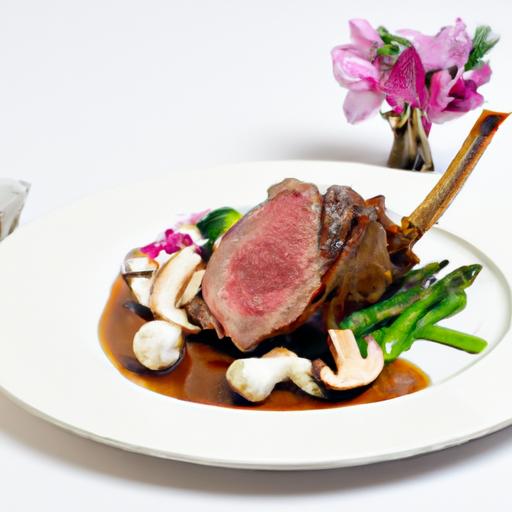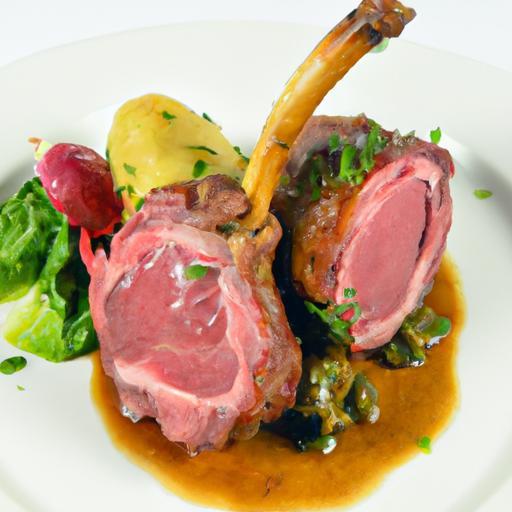

In a culinary world increasingly attuned to sustainability and flavor, the old saying “waste not, want not” has never resonated more deeply-especially when it comes to lamb. From snout to spare rib, nose-to-tail lamb cuisine invites adventurous food lovers to embark on a journey beyond the familiar chops and leg roasts. This approach not only honors the animal by utilizing every part but also unlocks a rich tapestry of textures and tastes that tell the story of pasture to plate. Join us as we explore this resourceful and delicious tradition, where every slice-whether crisp ear, tender heart, or succulent spare rib-offers a savory celebration of craftsmanship and sustainability.
Techniques to Maximize Flavor and Texture in Nose-to-Tail Cooking
From Snout to Spare Rib: Exploring Nose-to-Tail Lamb Cuisine invites adventurous cooks to embrace a culinary tradition that honors every part of the lamb. This experience goes beyond the standard racks and chops, unlocking a symphony of flavors and textures from less conventional cuts like the neck, heart, and kidneys. Mastering these cuts enriches your kitchen repertoire and aligns with a sustainable, respectful approach to meat consumption.
Prep and Cook Time
- Preparation: 30 minutes
- Cooking: 2 hours 15 minutes (including slow braising)
Yield
- Serves 4 sturdy appetites
Difficulty Level
- Medium – requires patience and layering of flavors
Ingredients
- 500g lamb neck, trimmed and cut into chunks
- 300g lamb liver, cleaned and sliced
- 200g lamb kidneys, halved and soaked in milk
- 2 tbsp olive oil
- 1 large onion, finely chopped
- 3 garlic cloves, minced
- 1 cup red wine (preferably robust, like Shiraz)
- 400g canned diced tomatoes
- 2 sprigs fresh rosemary
- 2 sprigs fresh thyme
- 1 tsp smoked paprika
- Salt and freshly ground black pepper, to taste
- 1 cup beef or lamb stock
- Fresh flat-leaf parsley, chopped, for garnish
- Optional: 1 tbsp balsamic vinegar for added depth
Instructions
- Prepare the lamb cuts carefully. Pat dry the lamb neck pieces and season generously with salt, pepper, and smoked paprika.
- Heat olive oil in a heavy-bottomed pot over medium-high heat. Sear the lamb neck chunks until deep golden brown on all sides, about 8 minutes. Remove and set aside.
- Sauté onion and garlic. In the same pot, add chopped onion and cook until translucent, approximately 5 minutes. Then add minced garlic and stir for 1 more minute until fragrant.
- Deglaze the pot with the red wine, scraping up all browned bits. Allow it to reduce by half, about 6-8 minutes, concentrating the robust flavors.
- Add diced tomatoes, rosemary, thyme, and stock. Stir to combine and bring the mixture to a gentle simmer.
- Return the seared lamb neck to the pot. Cover and slow-cook on low heat for 1.5 to 2 hours until the meat is fork-tender and meltingly soft.
- Sear lamb liver and kidneys. While the neck cooks, pat liver and kidneys dry. In a separate skillet, quickly sear the liver slices for about 2 minutes per side to keep them tender, and kidneys for 3-4 minutes until lightly browned but still moist in the center.
- Incorporate liver and kidneys into the stew in the final 10 minutes of cooking, allowing their unique earthiness to infuse the dish without overcooking.
- Taste and adjust seasoning. Add salt, pepper, and optionally, a splash of balsamic vinegar for a glossy finish that enhances complexity.
- Serve hot, garnished generously with chopped flat-leaf parsley to add fresh brightness and contrast.
Chef’s Notes
- Soaking kidneys in milk for at least 2 hours before cooking helps mellow their strong flavor and improves the texture.
- If liver is unavailable, substitute with lamb sweetbreads for an equally indulgent element.
- For an extra touch, add root vegetables like carrots or parsnips during the simmering stage to create an all-in-one rustic feast.
- This dish reheats beautifully and often benefits from resting overnight to deepen flavors.
Serving Suggestions
- Serve over creamy mashed potatoes or buttery polenta to complement the sauce’s richness.
- Accompany with a crisp green salad dressed with lemon vinaigrette to provide freshness and cut through the hearty meat flavors.
- Pair with a robust red wine, such as Syrah or Malbec, to echo the deep savory notes.
- Garnish the plate with fresh herbs like rosemary or thyme sprigs for aroma and visual appeal.
| Nutrient | Per Serving |
|---|---|
| Calories | 430 kcal |
| Protein | 48 g |
| Carbohydrates | 12 g |
| Fat | 20 g |

For further inspiration on sustainable and ethical culinary practices, explore this FAO guide on sustainable food systems. Additionally, learn more about complementary nose-to-tail recipes in our comprehensive cooking guide to fully embrace every lamb cut with confidence.
Q&A
Q&A: From Snout to Spare Rib – Exploring Nose-to-Tail Lamb Cuisine
Q1: What does “nose-to-tail” mean in the context of cooking lamb?
A1: “Nose-to-tail” cooking is an approach that celebrates the whole animal, using every part from the tip of the lamb’s nose to the final spare rib. It’s about honoring sustainability, reducing waste, and embracing the full range of flavors and textures the lamb has to offer.
Q2: Why is nose-to-tail cooking particularly popular with lamb?
A2: Lamb’s distinct flavor and varied cuts make it perfect for nose-to-tail cooking. Every part-whether it’s the delicate lamb’s brain, the crunchy trotters, or the rich, marbled ribs-offers unique culinary possibilities. Plus, lamb’s cultural significance in many cuisines encourages a respectful, resourceful approach to butchery.
Q3: What are some lesser-known lamb cuts featured in nose-to-tail cuisine?
A3: Beyond familiar chops, nose-to-tail enthusiasts use cuts like the sweetbreads (thymus gland), kidneys, heart, and even the neck. The trotters (feet) add gelatinous depth to broths, and lamb’s brain is prized in some traditional recipes for its creamy texture.
Q4: How does cooking technique vary across different lamb parts?
A4: Cooking techniques adapt to each cut’s texture and fat content. Tender cuts like loin and rib benefit from quick grilling or roasting, while tougher parts such as neck and shoulder shine when slow-cooked or braised. Organs often require delicate preparation, like soaking and gentle poaching, to bring out their best qualities.
Q5: Are there cultural traditions that inspire nose-to-tail lamb dishes?
A5: Yes! Many cultures have developed ingenious uses for every part of the lamb. Middle Eastern cuisines celebrate rich stews with offal, French cooking elevates sweetbreads in creamy sauces, and Mediterranean traditions often feature grilled lamb liver or heart skewers. These practices reflect a deep respect for the animal and resourcefulness in cooking.
Q6: What are the environmental or ethical benefits of nose-to-tail cooking?
A6: By utilizing the entire animal, nose-to-tail cooking minimizes food waste and promotes sustainability. It encourages consumers to value meat more deeply, reducing overconsumption of prime cuts and supporting ethical farming practices that honor animal life through mindful eating.
Q7: How can a home cook start exploring nose-to-tail lamb cuisine?
A7: Begin by sourcing whole or less common lamb cuts from trusted butchers. Experiment with simple recipes like slow-braised lamb neck or grilled liver skewers. Educate yourself about different textures and flavors, and don’t be afraid to try dishes inspired by diverse culinary traditions. Pair creativity with respect, and you’ll discover a whole new dimension to lamb.
Q8: What flavors and pairings complement nose-to-tail lamb dishes?
A8: Lamb’s natural earthiness pairs beautifully with herbs like rosemary, thyme, and mint. Bold spices such as cumin, coriander, and sumac bring out complexity, especially in organ meats. Accompaniments like garlic yogurt, pomegranate molasses, or rich red wines create balanced, memorable meals that celebrate the full spectrum of nose-to-tail flavors.
Embracing nose-to-tail lamb cooking is more than a culinary adventure-it’s a tribute to tradition, sustainability, and the delicious ingenuity of making the most of every morsel. Ready to embark on your journey from snout to spare rib?
To Conclude
Embracing nose-to-tail lamb cuisine is more than a culinary trend-it’s a celebration of sustainability, flavor, and tradition all rolled into one. From the delicate richness of the lamb’s snout to the hearty satisfaction of spare ribs, each cut tells a story of resourcefulness and respect for the animal. As chefs and home cooks alike continue to explore these often overlooked treasures, the offerings on our plates become not only more diverse but more meaningful. So next time you plan a lamb dish, consider venturing beyond the usual chops and legs-there’s a whole world of taste waiting to be discovered, proving that every inch of the lamb deserves a moment in the spotlight.