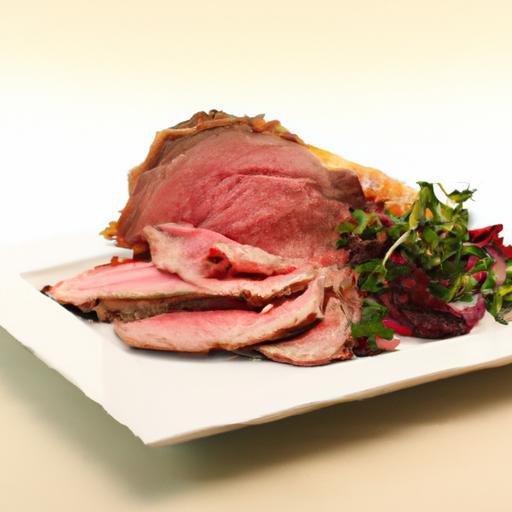

In a world increasingly fascinated by sustainability, tradition, and culinary craftsmanship, whole animal butchery emerges as both an art and a necessity. It is an age-old practice that transcends mere meat cutting, inviting chefs, hunters, and home cooks alike into a deeper relationship with their food – one that honors every part of the animal, reduces waste, and unlocks a universe of flavors often overlooked. “Whole Animal Butchery: A Complete Guide to Mastery” is your passport into this rich and rewarding discipline. Whether you’re seeking to elevate your kitchen skills, embrace ethical cooking, or simply understand where your meat truly comes from, this guide offers the tools, techniques, and insights designed to transform you from novice to artisan, one precise cut at a time. Join us as we dive beneath the surface, carving a path toward mastery that is as respectful as it is flavorful.
Whole animal butchery invites culinary artisans to reconnect with the origins of their ingredients, unveiling the art and science behind every precise cut. It transforms a simple process into a celebration of craftsmanship, offering an intimate understanding of animal anatomy that empowers you to maximize flavor, texture, and sustainability. This journey begins with mastering the essential tools and techniques that turn an intimidating carcass into culinary potential, all while honoring nose-to-tail utilization and prioritizing safety and hygiene for efficiency and respect.
Prep and Cook Time
- Preparation: 1.5 – 2 hours
- Active Butchery: 2 – 3 hours (depending on animal size and skill)
- Cook Time: Varies based on specific cuts and recipes
Yield
Serves approximately 8 to 12 people depending on the animal size and portioning.
Difficulty Level
Advanced: Requires specialized skills, tools, and anatomical knowledge
Essential Tools and Ingredients for Butchery
- Boning knife (flexible, 6-8 inches) for precise trimming and deboning
- Breaking knife for heavier cuts
- Meat cleaver for joints and bones
- Sharpening steel and whetstone to maintain blade sharpness
- Cutting board – preferably heavy-duty, non-slip
- Butcher’s gloves for grip and protection
- Meat hooks and a clean workspace
- Sanitizer spray and clean towels
- Butcher’s twine for tying roasts or portions
Step-by-Step Instructions
- Prepare your workspace and tools: Begin by sanitizing your board, knives, and hands thoroughly. Ensure your knives are razor-sharp to glide through muscle and joint tissue cleanly.
- Study the anatomy: Identify key landmarks such as muscles, joints, and fat deposits. Use anatomical charts as references to understand where to make your cuts.
- Initial breakdown: Start by removing the hide or skin if necessary, using your boning knife to separate the skin delicately while avoiding wasting underlying meat.
- Section by section: Follow natural joint lines. Use the cleaver to separate heavier sections, then switch to a boning knife for detailed trimming.
- Maximize yield: Collect trimmings from each section for sausages, broth, or emulsified products, demonstrating nose-to-tail utilization.
- Maintain hygiene: Regularly clean your workspace and tools with sanitizer to prevent contamination, wiping your knives between cuts.
- Final trimming: Remove excess fat and sinew carefully so the cuts are neat and ready for cooking or storage.
Chef’s Notes: Tips for Success
- Tool maintenance: Keep knives sharp throughout the process using a whetstone for clean, effortless cuts that reduce injury risk.
- Know your animal: Different breeds and ages mean varying fat content and muscle density; adapt your approach accordingly.
- Practice patience: Precision grows with practice – start with smaller animals if you’re new, and build confidence gradually.
- Safety first: Use butcher’s gloves and ensure your work surface is stable to avoid slips and accidents.
- Store wisely: Vacuum-seal cuts immediately after butchery to preserve freshness and flavor.
Serving Suggestions
Present your cuts with rustic elegance-consider a butcher’s block or wooden platter garnished with fresh herbs such as rosemary, thyme, and bay leaves to evoke the primal roots of your process. Serve alongside rustic bread and house-made condiments like mustard or herb-infused oils to highlight the quality of every cut. For bone-in cuts or offal, slow cooking methods like braising or roasting unlock rich depths of flavor and tender textures that celebrate whole animal butchery’s spirit.

Nutritional Snapshot of Common Cuts
| Cut | Calories (per 100g) | Protein (g) | Carbs (g) | Fat (g) |
|---|---|---|---|---|
| Shoulder Roast | 250 | 26 | 0 | 17 |
| Tenderloin | 210 | 27 | 0 | 10 |
| Bone Marrow | 800 | 7 | 0 | 85 |
| Offal (Liver) | 140 | 20 | 3 | 4 |
Discover more about sustainable cooking and expanding your culinary skills with our Sustainable Cooking Tips. For further expertise on animal anatomy and butchery, visit the Food and Agriculture Organization (FAO) guide on meat cutting.
Q&A
Q&A: Unlocking the Secrets of Whole Animal Butchery
Q1: What exactly is whole animal butchery, and why is it gaining popularity?
A1: Whole animal butchery is the art and science of breaking down an entire animal carcass into every usable cut, from primal sections to sausages and bones. It’s gaining traction because it honors sustainability, reduces waste, and connects chefs and home cooks alike to the source of their food with deeper appreciation and skill.
Q2: Is whole animal butchery only for professionals, or can home cooks try it too?
A2: While it’s traditionally a skill honed by professionals, whole animal butchery is accessible to passionate home cooks with patience and the right tools. The guide encourages gradually building confidence, starting with smaller animals and basic cuts before tackling more complex butchery.
Q3: What are the essential tools needed to master whole animal butchery?
A3: Sharpness is king! Essential tools include a sturdy boning knife, cleaver, butchering gloves, a steel for honing blades, and a large, clean workspace. Quality knives tailored for specific cuts make the process smoother and safer.
Q4: How does mastering whole animal butchery benefit culinary creativity?
A4: When you control every cut, nothing goes to waste-imagine crafting charcuterie, stocks, and offal dishes that elevate your cooking. It opens doors to unique textures and flavors that pre-packaged cuts can’t offer, fueling inventive recipes that tell an authentic story.
Q5: What’s the biggest myth about whole animal butchery?
A5: The biggest myth is that it’s overly complicated or too gruesome for casual cooks. In reality, with guidance and respect for the process, it becomes a meditative, empowering craft that reconnects you with food traditions and sustainability.
Q6: How can understanding the anatomy of an animal improve my butchery skills?
A6: Anatomy is your roadmap. Knowing muscle groups, bones, and fat deposits helps you cut efficiently, reduces waste, and ensures each piece cooks perfectly. It’s like learning a new language-the better you understand it, the more fluent your butchery becomes.
Q7: Are there ethical considerations involved in whole animal butchery?
A7: Absolutely. Whole animal butchery promotes mindfulness about where meat comes from and encourages using every part, respecting the animal’s life. It drives a deeper connection to ethical sourcing, often involving local and sustainable farms.
Q8: What’s the first step for someone eager to master this craft?
A8: Start small and educate yourself. Take a workshop if possible, read comprehensive guides, and practice on chicken or rabbit before graduating to larger animals. Patience and curiosity are your best butcher’s tools.
Q9: Can whole animal butchery help save money?
A9: Definitely! Buying whole animals often costs less per pound compared to pre-cut packages, and learning to prepare various cuts yourself maximizes value. It’s a smart approach for those who eat meat regularly and want both quality and economy.
Q10: Where can I find resources to deepen my knowledge after reading this guide?
A10: Look for butchery courses at culinary schools, hands-on workshops, and online tutorials by skilled butchers. Books and guides focusing on animal anatomy and preparation techniques also make excellent companions on your butchery journey.
Mastering whole animal butchery transforms the way you cook, eat, and think about meat-inviting you to be both an artist and steward in the kitchen.
Concluding Remarks
As you close the final page of this comprehensive guide, know that whole animal butchery is more than a skill – it’s a journey into respect, sustainability, and deep culinary artistry. Mastery comes not just from technique, but from understanding the story each cut tells and honoring the animal in its entirety. Whether you’re a seasoned butcher or an eager home cook, embracing this craft transforms the way you connect with food, unlocking flavors and possibilities that extend far beyond the plate. So, roll up your sleeves, sharpen your knives, and step confidently into a tradition that feeds both body and soul with every precise cut. Your path to mastery starts now.