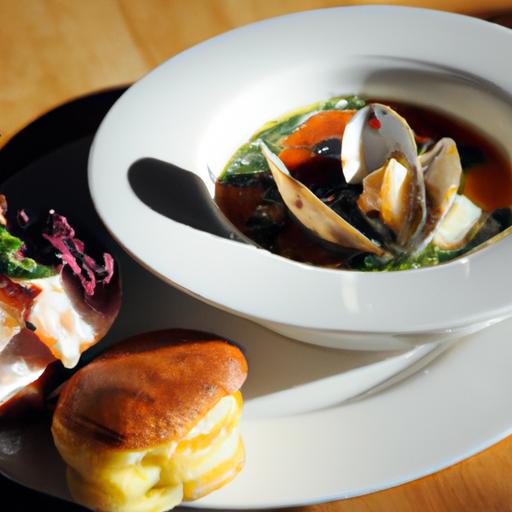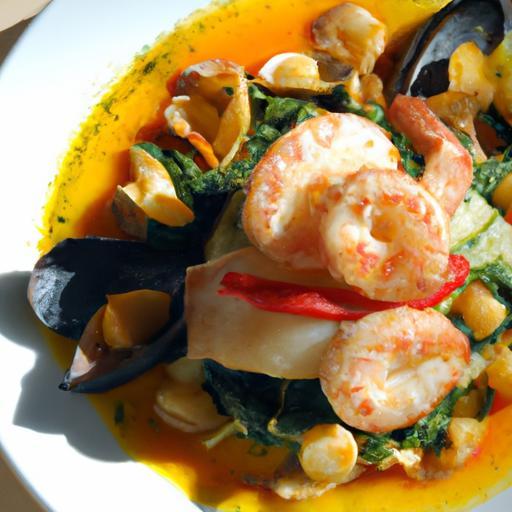

When the chill of winter settles in and the days grow short, nothing warms the soul quite like a hearty stew. But as we gather around steaming bowls brimming with rich flavors, there’s a growing desire to make these comfort meals not only delicious but also kind to our planet. Enter winter stews with sustainable seafood-an inspired fusion of fresh ocean bounty and eco-friendly choices. From resilient wild-caught fish to thoughtfully farmed shellfish, these dishes invite us to savor the season while supporting healthy marine ecosystems. Join us as we dive into the art of crafting nourishing stews that celebrate both flavor and sustainability, proving that good eating can go hand-in-hand with good stewardship of our waters.
Winter Stews with Sustainable Seafood serve as a heartwarming and eco-conscious choice for chilly evenings, harmonizing rich flavors and ocean-friendly ingredients. Inspired by coastal traditions and mindful sourcing, this recipe transforms locally harvested fish and shellfish into a nourishing embrace of winter warmth. Whether gathered around a rustic table or savoring quiet moments by the fire, this stew is designed to fill both plate and spirit-without compromising our precious marine ecosystems.
Prep and Cook Time
Prep Time: 25 minutes
Cook Time: 45 minutes
Total Time: 1 hour 10 minutes
Yield
Serves 6 hearty portions
Difficulty Level
Medium – Perfect for cooks wanting to combine technique with sustainability
Ingredients
- 2 tbsp extra virgin olive oil
- 1 large onion, finely chopped
- 3 cloves garlic, minced
- 2 medium carrots, peeled and diced
- 2 stalks celery, diced
- 1 medium fennel bulb, trimmed and sliced
- 1 tbsp tomato paste
- 1 cup dry white wine (choose a sustainable brand)
- 4 cups sustainably sourced fish stock
- 1 (14 oz) can diced organic tomatoes
- 1 lb firm white fish fillets (e.g., cod, halibut), skin removed and cut into chunks
- 12 sustainably harvested mussels, cleaned
- 12 medium shrimp, peeled and deveined
- 1 cup baby potatoes, halved
- 1 tsp smoked paprika
- 1 tsp dried thyme
- Salt and freshly ground black pepper, to taste
- Fresh parsley, chopped, for garnish
- 1 lemon, cut into wedges
Instructions
- Heat the olive oil in a large, heavy-bottomed pot over medium heat. Add the onion, garlic, carrot, celery, and fennel. Sauté until the vegetables are soft and translucent, about 8-10 minutes, stirring occasionally.
- Stir in the tomato paste and smoked paprika, cooking for 2 minutes to deepen the flavors.
- Pour in the white wine to deglaze the pan, scraping up any browned bits from the bottom. Simmer until reduced by half, approximately 5 minutes.
- Add the fish stock and diced tomatoes, followed by the baby potatoes and thyme. Bring the mixture to a boil then reduce heat to a gentle simmer. Cover and cook for about 15 minutes, or until the potatoes are tender.
- Place the fish chunks carefully into the pot along with the mussels and shrimp. Cover and cook until the seafood is opaque and mussels have opened, about 6-8 minutes. Discard any unopened mussels.
- Season with salt and freshly ground black pepper to taste. Give the stew a gentle stir to combine all the layers of flavor.
- Ladle the stew into warmed bowls, garnishing each serving with a generous sprinkle of fresh parsley and a wedge of lemon for a bright, zesty contrast.
Tips for Success
- Choose your fish wisely: Opt for species certified by organizations like the Marine Stewardship Council (MSC) to ensure sustainability.
- Add shellfish last: Mussels and shrimp cook quickly and can become rubbery if overcooked.
- Make ahead tip: This stew tastes even better the next day as flavors meld; store leftovers covered in the fridge for up to 2 days.
- Variations: Swap baby potatoes for sweet potatoes for a subtle sweetness or stir in chopped kale for added winter greenery.
Serving Suggestions
This Winter Stew with Sustainable Seafood pairs beautifully with crusty sourdough bread or a rustic whole grain baguette, perfect for soaking up the rich broth. A crisp green salad with citrus vinaigrette adds refreshing balance, while a chilled glass of sustainably produced white wine complements the marine flavors perfectly. Garnish with fresh herbs like dill or fennel fronds for an aromatic lift that mirrors the stew’s seaside roots.

| Nutrient | Per Serving |
|---|---|
| Calories | 320 kcal |
| Protein | 35 g |
| Carbohydrates | 20 g |
| Fat | 9 g |
For more inspiration, explore our collection of sustainable seafood recipes. Learn more about responsible seafood choices at the Marine Stewardship Council.
Q&A
Q&A: Winter Stews with Sustainable Seafood – Fresh, Eco-Friendly Choices
Q1: Why choose seafood for winter stews?
A1: Seafood brings a vibrant, briny freshness that pierces through the hearty richness of winter stews. Unlike heavier meats, fish and shellfish add layers of delicate flavor and melt-in-your-mouth textures that warm you up from the inside out. Plus, seafood stews can be lighter yet deeply satisfying – perfect for cozy, chilly nights.
Q2: What does “sustainable seafood” mean, and why does it matter?
A2: Sustainable seafood refers to fish and shellfish harvested in ways that protect marine ecosystems, avoid overfishing, and support the long-term health of the ocean. Choosing sustainable seafood helps preserve biodiversity, supports responsible fishing communities, and ensures we’ll be able to enjoy delicious ocean bounty for generations to come.
Q3: Which sustainable seafood options are best for winter stews?
A3: Look for cold-water, responsibly sourced favorites like cod, haddock, mussels, clams, and oysters. These species often come from well-managed fisheries or farms prioritizing environmental balance. Fatty fish like salmon or Arctic char can also enrich your stew with omega-3s and a buttery texture.
Q4: How can I ensure the seafood I buy is sustainable?
A4: Seek certifications such as MSC (Marine Stewardship Council), ASC (Aquaculture Stewardship Council), or check guides like Seafood Watch. Buying local or directly from trusted fishmongers who source responsibly is another savvy way to make eco-friendly choices.
Q5: What are some creative spice or herb pairings for sustainable seafood stews?
A5: Winter stews benefit from warming aromatics – think smoked paprika, saffron, fresh thyme, bay leaves, and fennel. A splash of white wine or a squeeze of lemon brightens flavors and balances the oceanic notes. For a twist, experiment with ginger and star anise for subtle warmth and complexity.
Q6: Can sustainable seafood stews be ready quickly?
A6: Absolutely! Many seafood stews come together in under 30 minutes, especially when using pre-cleaned shellfish or quick-cooking fish chunks. The key is layering flavors in your broth and adding seafood last to keep it tender and fresh.
Q7: How do sustainable seafood stews support environmental health during winter?
A7: By choosing seafood wisely in winter, when many species are abundant and ecosystems are more resilient, you reduce pressure on vulnerable stocks. Eco-conscious seafood helps maintain ocean health, which is critical for regulating climate and providing food security – making your comforting stew a truly planet-friendly meal.
Q8: Where can I find recipes that focus on sustainable seafood stews?
A8: Many environmental organizations, sustainable seafood advocacy groups, and culinary websites offer resources and recipes. Also, cookbooks dedicated to eco-friendly eating or coastal cuisine often showcase winter stews highlighting fresh, sustainable catches.
Dive into winter with a bowl of sustainable seafood stew – a delicious way to warm your soul while honoring the seas!
Future Outlook
As the winter chill settles in, there’s no better way to warm your soul than with a hearty stew brimming with fresh, sustainable seafood. These dishes not only nourish your body but also honor the oceans they come from, supporting eco-friendly fishing practices that protect marine life for future generations. By choosing sustainable seafood this season, your winter stew becomes more than comfort food-it transforms into a mindful celebration of the sea’s bounty. So, dive into your next bowl with a clear conscience and a grateful palate, knowing you’re making waves of positive change one delicious, eco-friendly bite at a time.