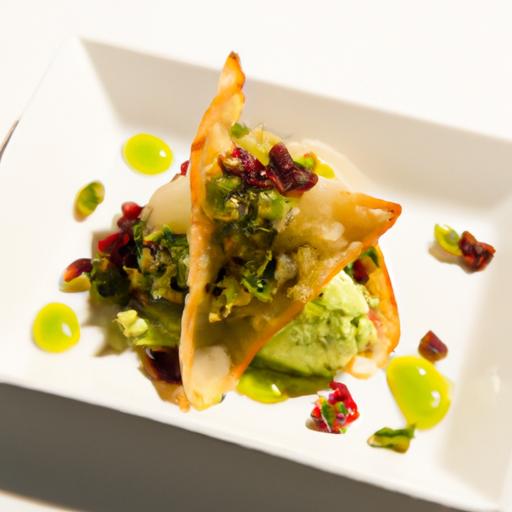

Every day, mountains of food wither away-forgotten in our kitchens, tossed from grocery shelves, or left to rot in landfills. These “wasted bites” are more than just missed meals; they are silent contributors to one of the gravest challenges of our time: climate change. Beyond the obvious moral dilemma of hunger, food waste fuels greenhouse gas emissions, squanders precious resources, and accelerates environmental degradation. In this article, we’ll unpack how the journey of wasted food intersects with our planet’s health, revealing the hidden climate costs of our habits-and exploring the transformative potential of change, one bite at a time.
Wasted Bites: Unpacking Food Waste’s Role in Climate Change
Wasted Bites: Unpacking Food Waste’s Role in Climate Change inspires us not just to rethink our relationship with food but also to transform the way we cook. This vibrant, no-waste vegetable stir-fry recipe celebrates salvaging everyday surplus ingredients that would otherwise be tossed, proving that sustainability and flavor coexist beautifully in the kitchen. Let this dish be your delicious first step toward reducing your personal carbon footprint while delighting your palate.
Prep and Cook Time
Preparation: 15 minutes | Cooking: 15 minutes | Total Time: 30 minutes
Yield
Serves 4 generous portions
Difficulty Level
Easy
Ingredients
- 2 cups mixed vegetable scraps (carrot peels, broccoli stems, pepper cores, trimmed and chopped)
- 1 medium onion, thinly sliced
- 3 garlic cloves, finely minced
- 1 cup cooked brown rice (preferably leftover)
- 1 cup cooked chickpeas, rinsed and drained
- 2 tablespoons olive oil
- 2 tablespoons soy sauce or tamari
- 1 teaspoon grated fresh ginger
- 1 teaspoon toasted sesame oil
- 1 teaspoon chili flakes (optional)
- Fresh herbs like cilantro or parsley, chopped, for garnish
- 1 tablespoon toasted sesame seeds, for garnish
- Salt and black pepper to taste
Instructions
- Prepare your scraps: Gather your assorted vegetable scraps, ensuring they are clean and chopped into bite-sized pieces. This gives your dish a rich mix of textures and flavors.
- Heat the olive oil: In a large skillet or wok, warm the olive oil over medium-high heat.
- Sauté aromatics: Add the sliced onion and minced garlic. Sauté until translucent and fragrant, about 3-4 minutes, stirring frequently to avoid burning.
- Add vegetable scraps: Toss in your vegetable scraps and grated ginger. Stir-fry for about 5-7 minutes until softened and slightly caramelized, stirring occasionally to prevent sticking.
- Incorporate chickpeas: Stir in the chickpeas and cook for 2 more minutes to heat through and blend flavors.
- Mix in rice and seasonings: Add the cooked brown rice, soy sauce, toasted sesame oil, and chili flakes if using. Stir well to combine all ingredients evenly and heat until the rice is warm throughout.
- Season to taste: Add salt and pepper as needed. Adjust soy sauce for a deeper umami flavor.
- Serve and garnish: Remove from heat and transfer to serving bowls. Sprinkle with chopped fresh herbs and toasted sesame seeds for a fresh, nutty finish.
Chef’s Notes
- Versatility: This recipe shines on its flexibility – swap chickpeas for any canned beans or leftover protein like shredded chicken or tofu.
- Scrap ideas: Use kale stems, zucchini ends, or mushroom stems. Avoid anything tough or bitter, and always wash scraps thoroughly.
- Make-ahead: Prepare the rice and chickpeas in advance to speed up cooking. Leftover vegetable scraps can be frozen in a zip-top bag until ready to use.
- Flavor boost: For an added punch, drizzle with a squeeze of fresh lime juice or a splash of rice vinegar right before serving.
- Food waste tip: Collect scraps daily in a container to keep your kitchen tidy and inspire continuous zero-waste cooking.
Serving Suggestions
This stir-fry is delightful when served warm as a wholesome lunch or light dinner. Pair it with a crisp Asian-inspired cucumber salad or a tangy carrot slaw to balance the savory richness. For a heartier meal, offer a side of steamed dumplings or crispy tofu bites. Garnishing with fresh herbs and sesame seeds not only elevates the flavor but adds appealing color and texture, making your plate vibrant and appetizing.

| Nutrient | Per Serving |
|---|---|
| Calories | 320 kcal |
| Protein | 12 g |
| Carbohydrates | 45 g |
| Fat | 9 g |
To extend your knowledge on the environmental impact of food choices, visit the FAO’s official guide to food waste reduction.
For more recipes and ideas that help cut down your food waste footprint, check our Sustainable Cooking Tips section.
Q&A
Q&A: Wasted Bites-Unpacking Food Waste’s Role in Climate Change
Q1: What exactly is food waste, and why should we care?
A1: Food waste refers to edible food that’s discarded or left uneaten along the supply chain-from farm fields to dinner plates. We should care because when perfectly good food ends up in the trash, not only do we lose precious resources like water, energy, and labor, but it also contributes significantly to greenhouse gas emissions, fueling climate change.
Q2: How does wasting food directly impact the climate?
A2: When food decays in landfills, it releases methane-a greenhouse gas over 25 times more potent than carbon dioxide in warming the planet. Plus, all the energy and emissions spent growing, processing, packaging, and transporting that food become wasted efforts adding to our carbon footprint.
Q3: Are some foods worse than others when wasted?
A3: Absolutely! Wasting high-impact foods like meat and dairy has a heavier climate price tag compared to vegetables or grains. Producing animal-based foods typically requires more water, land, and energy, so their emissions footprint is larger even if the quantities wasted are smaller.
Q4: Who bears the biggest responsibility for food waste?
A4: It’s a shared problem. Households generate a significant chunk by overbuying or tossing leftovers. Retailers contribute through cosmetic standards that reject imperfect produce, while food producers face losses from overproduction or logistical mishaps. Tackling food waste means all hands on deck.
Q5: What steps can individuals take to reduce their food waste footprint?
A5: Start small but smart-plan meals, shop with a list, embrace ‘ugly’ fruits and veggies, and get creative with leftovers. Composting organic scraps also diverts waste from landfills, reducing methane emissions. Every bite saved is a climate win.
Q6: How do policy makers factor into the fight against food waste?
A6: Forward-thinking policies can make a huge dent-like incentivizing food donations, standardizing date labeling for clarity, investing in better storage and logistics, and raising public awareness. Governments can empower communities and industries to value every crumb.
Q7: Can tackling food waste really move the needle on climate change?
A7: Definitely. Globally, food waste alone accounts for roughly 8-10% of all greenhouse gas emissions. Reducing it could be one of the most cost-effective climate actions, easing pressure on land and resources, and helping us inch closer to net-zero goals.
Q8: In a nutshell, why is ‘wasted bites’ a critical piece in the climate puzzle?
A8: Because food connects people to planet-from soil to stomach. When we waste food, we waste the planet’s bounty and accelerate climate harm. Recognizing the profound power of each bite can inspire meaningful change toward a sustainable, waste-free future.
Key Takeaways
As the last crumbs of our meal settle, it’s clear that the story of food is far more than nourishment-it’s a narrative entwined with the fate of our planet. Every bite wasted echoes in the atmosphere, fueling climate change in ways we often overlook. By unpacking the hidden journey of food waste, we uncover a powerful opportunity: to rewrite our impact and reclaim resources once thought lost. In the battle against climate change, reducing food waste isn’t just a small step-it’s a vital ingredient for a sustainable future. So next time you reach for that bite, remember: less waste means more hope for our planet’s tomorrow.