
In a world overflowing with diet fads and conflicting nutritional advice, finding a balanced path to better health can feel like navigating a maze blindfolded. Enter the low-glycemic diet-a simple yet powerful approach that promises steadier energy, improved blood sugar control, and a sustainable way to nourish your body. But what exactly is the low-glycemic diet, and why are so many health experts championing it? In this article, we’ll unravel the science behind glycemic index, explore how this diet works, and reveal how you can unlock the door to lasting wellness, one mindful bite at a time. Welcome to the clear, comprehensive guide to the low-glycemic lifestyle.
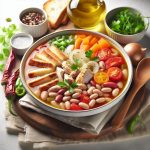
Unlocking health through dietary choices is one of the most empowering steps you can take for sustained vitality. Embracing a low-glycemic approach not only helps stabilize blood sugar levels but also provides consistent energy throughout your day. Imagine nourishing your body with vibrant, wholesome ingredients that release energy slowly, keeping hunger and spikes at bay. Today, I invite you to explore a flavorful and balanced Low-Glycemic Mediterranean Chickpea Salad-a dish that vibrantly illustrates smart food choices, practical meal planning, and long-lasting benefits.
Prep and Cook Time
Preparation: 15 minutes | Cook Time: 10 minutes | Total: 25 minutes
Yield
Serves 4 as a main or 6 as a refreshing side
Difficulty Level
Easy
Ingredients
- 1 cup cooked chickpeas (or 1 can, drained and rinsed)
- 1 cup cherry tomatoes, halved
- 1 medium cucumber, diced
- 1/2 cup red onion, finely chopped
- 1/4 cup Kalamata olives, pitted and sliced
- 1/4 cup crumbled feta cheese (optional for creaminess)
- 1/4 cup fresh parsley, chopped
- 2 tbsp extra virgin olive oil
- 1 tbsp fresh lemon juice
- 1 tsp dried oregano
- Salt and freshly ground black pepper, to taste
- Optional: 1/2 avocado, diced, for extra creaminess and healthy fats
Instructions
- Prepare the base: In a large bowl, combine the chickpeas, halved cherry tomatoes, diced cucumber, and finely chopped red onion for a fresh textural balance.
- Add the mediterranean accents: Stir in sliced Kalamata olives and crumbled feta cheese to introduce a punch of flavor and richness that complements the mild vegetables.
- Make the dressing: In a small bowl, whisk together extra virgin olive oil, fresh lemon juice, dried oregano, salt, and black pepper. Adjust seasoning gradually to taste.
- Toss the salad: Pour the dressing over the salad ingredients and toss gently to coat everything evenly without crushing the tender pieces.
- Finishing touches: Sprinkle chopped fresh parsley and add diced avocado if using. Let the salad rest 5 minutes to allow flavors to meld perfectly.
- Serve and enjoy: Plate the salad with a garnish of lemon zest or a sprig of parsley for an elegant presentation.
Chef’s Notes
- For a nut-free version, avoid adding nuts or seeds; alternatively, sprinkle toasted pine nuts for crunch.
- Cook chickpeas from dry for a fresher taste and better texture if you have time; pressure cooking reduces prep significantly.
- Make ahead: This salad tastes even better after refrigerating for a few hours as the flavors deepen-keep dressing separate if making too early.
- Try swapping cucumber for bell peppers or celery to vary texture and nutritional profile.
- Use freshly squeezed lemon juice for brightness that store-bought versions can’t replicate.
Serving Suggestions
This salad pairs beautifully with whole-grain pita or as a side to grilled lean protein such as chicken or fish. For a light dinner, pile it atop a bed of mixed greens or serve inside whole wheat wraps. Garnish with a drizzle of olive oil, a few whole olives, and a sprinkle of toasted sesame seeds to elevate presentation. Enjoy chilled or at room temperature for a fresh, satisfying meal that supports balanced blood sugar.

| Nutrient | Per Serving |
|---|---|
| Calories | 280 kcal |
| Protein | 11 g |
| Carbohydrates | 30 g |
| Fat | 12 g |
Choosing Foods That Complement a Balanced Low-Glycemic Lifestyle
Incorporate whole, minimally processed foods like legumes, fresh vegetables, nuts, and healthy fats to maintain steady energy without sudden blood sugar spikes. This salad highlights how simple ingredients can create a gourmet and glucose-friendly dish. Pair this recipe with resources like our Guide to Low-Glycemic Breakfasts to broaden your meal planning arsenal.
For in-depth scientific backing and glycemic index values, visit the Glycemic Index Foundation.
Q&A
Q&A: Unlocking Health – The Low-Glycemic Diet Explained Clearly
Q1: What exactly is the low-glycemic diet?
A1: Think of the low-glycemic diet as a mindful way of eating that focuses on choosing foods which release sugar into your bloodstream slowly and steadily. The “glycemic” part refers to the glycemic index (GI)-a scale that ranks foods based on how quickly they spike your blood sugar. Low-GI foods keep your energy balanced and help avoid the sugar rollercoaster.
Q2: Why should I care about my blood sugar levels?
A2: Blood sugar is your body’s primary fuel source, but if it jumps up and plummets often, this rollercoaster can leave you tired, hungry, and craving unhealthy snacks. Over time, blood sugar spikes stress your system and are linked to conditions like diabetes, obesity, and even heart disease. The low-glycemic diet aims to smooth out those peaks and valleys, promoting lasting energy and overall health.
Q3: Which foods are considered low glycemic?
A3: Imagine foods that act like slow-burning candles instead of fireworks-whole grains like barley and quinoa, legumes such as lentils and chickpeas, most fruits (like apples and berries), non-starchy vegetables, and nuts. These foods digest slowly, keeping your blood sugar and hunger levels well-behaved throughout the day.
Q4: Can the low-glycemic diet help with weight loss?
A4: Absolutely! By stabilizing blood sugar, you reduce sudden hunger pangs and cravings, making it easier to resist overeating. Plus, low-GI foods tend to be rich in fiber, which helps you feel full longer. This harmonious effect supports steady, sustainable weight loss-not rapid fad-diet drops that quickly bounce back.
Q5: How is the low-glycemic diet different from just cutting carbs?
A5: Great question! It’s not about cutting carbs completely, but choosing which carbs you eat. Unlike restrictive low-carb diets, the low-GI approach embraces carbs that nourish and sustain you rather than spike your blood sugar. It’s more about quality than quantity.
Q6: Are there any challenges or myths about the low-glycemic diet?
A6: One myth is thinking it means you can eat unlimited amounts of low-GI foods and stay healthy-portion size still matters! Also, some foods have a low GI but are high in calories or fats, so balance is key. The challenge is learning which foods fit the low-GI profile and combining them deliciously.
Q7: How can I start incorporating the low-glycemic diet into my life?
A7: Begin by swapping out high-GI foods such as white bread, sugary snacks, and refined cereals for their low-GI cousins like whole-grain bread, fresh fruits, and legumes. Experiment in your kitchen-try cooking more beans, adding oats to breakfast, and choosing berries over candy. Your body will thank you with steadier energy and better health.
Q8: Who can benefit the most from the low-glycemic diet?
A8: Though great for almost everyone, it’s especially powerful for people managing diabetes, insulin resistance, or metabolic syndrome. Athletes and anyone seeking balanced energy without spikes will also find value. It’s a gentle lifestyle that supports lasting health, not just a diet for quick fixes.
Unlocking health through the low-glycemic diet is about embracing a smarter way to eat-one that respects your body’s rhythm and fuels your life with steady energy and vibrant wellness.
Final Thoughts
As we’ve uncovered, the low-glycemic diet offers more than just a path to balanced blood sugar-it’s a gateway to sustained energy, improved health, and vibrant living. By choosing foods that nourish without spiking, you empower your body to function at its best, day after day. Unlocking the secrets of glycemic balance is not about restriction, but about mindful inclusion-embracing whole, wholesome ingredients that support your well-being naturally. So, as you step forward on your health journey, let the low-glycemic approach be your guide to lasting vitality and a brighter, more energized tomorrow.