In the ever-growing world of plant-based nutrition, protein lovers often encounter a hidden hurdle: digestion. While plant proteins power our bodies with vital nutrients and vibrant energy, they can sometimes leave us feeling a little… unsettled. Unlocking the secrets to smooth plant protein digestion isn’t just about what you eat-it’s about how your body embraces these green treasures. In this article, we’ll explore top tips to transform your plant-powered meals from potential digestive challenges into effortless, feel-good fuel. Get ready to digest with ease and savor every bite of your plant protein journey!
The Role of Preparation Techniques in Enhancing Digestibility
Unlocking Ease: Top Tips for Smooth Plant Protein Digestion begins with understanding how simple preparation methods can transform even the most fibrous legumes into tender, nourishing meals. The secret lies in soaking, sprouting, and cooking with care. Soaking dried beans and lentils overnight not only softens them but initiates the breakdown of anti-nutrients like phytates and tannins, which hinder protein absorption.
Sprouting elevates this effect by activating natural enzymes, making plant proteins more bioavailable. A slow simmer or pressure cooking ensures thorough softening without compromising texture. Incorporating these techniques can turn a basic chickpea stew or a lentil salad into a powerhouse of easily digestible plant protein.
Incorporating Digestive Enzymes and Probiotics for Better Absorption
Boosting digestive ease doesn’t stop at cooking. Including ingredients naturally rich in digestive enzymes-such as fresh pineapple, papaya, or ginger-in meals can significantly aid protein breakdown. Probiotic-rich foods like sauerkraut, kimchi, or a dollop of yogurt foster a healthy gut flora that supports nutrient absorption and reduces bloating.
For example, pairing a hearty plant-based bean chili with a side of fermented pickles not only adds vibrant flavor but enhances your digestive wellbeing. You might also consider enzyme supplements like bromelain or protease after consulting with a nutrition expert to tailor your approach.
Smart Meal Pairings to Maximize Nutrient Uptake from Plant Proteins
Vegetable proteins often lack one or more essential amino acids, but clever food combinations can complete the profile. Pairing beans with grains-think quinoa salad with black beans or brown rice with lentils-creates a harmonious amino acid balance, optimizing the quality and digestibility of protein.
Additionally, vitamin C-rich foods such as bell peppers or lemon juice boost iron absorption from plant sources. Including leafy greens alongside your protein-packed dish not only adds freshness but enhances the nutritional payoff. Combining these elements mindfully transforms plant proteins from good to great, making your meals both wholesome and delicious.
Prep and Cook Time
- Prep Time: 12 hours (includes overnight soaking)
- Cook Time: 45 minutes
Yield
- Serves 4 hearty portions
Difficulty Level
- Medium – perfect for home cooks ready to explore plant-based protein cooking
Ingredients
- 1 cup dried chickpeas, soaked overnight and drained
- 1 medium onion, finely chopped
- 2 cloves garlic, minced
- 1-inch piece fresh ginger, grated
- 1 cup diced tomatoes, fresh or canned
- 1 tsp turmeric powder
- 1 tsp cumin seeds
- 1 tbsp olive oil
- 4 cups water or vegetable broth
- Juice of ½ lemon
- 1 cup chopped kale or spinach
- 2 tbsp sauerkraut, for serving (optional, probiotic boost)
- Fresh cilantro, for garnish
Instructions
- Soak the chickpeas overnight in enough water to cover them by a few inches. This reduces phytic acid and softens them for easy cooking.
- Drain and rinse the chickpeas thoroughly before cooking.
- Heat the olive oil in a large pot over medium heat. Add cumin seeds and sauté until fragrant, about 1 minute.
- Add the chopped onion, garlic, and grated ginger. Sauté until onions turn translucent and soft, about 5 minutes.
- Stir in turmeric powder and diced tomatoes. Cook for another 3-4 minutes until tomatoes break down slightly.
- Add the soaked chickpeas and vegetable broth (or water). Bring to a boil, then reduce heat to low. Cover and simmer for 40-45 minutes, or until chickpeas are tender.
- In the last 5 minutes of cooking, stir in the chopped kale or spinach and cook until wilted.
- Remove from heat and stir in fresh lemon juice for brightness and added Vitamin C.
- Serve hot, topped with fresh cilantro and a spoonful of sauerkraut on the side to introduce probiotics for improved digestion.
Chef’s Notes
- For faster cooking, try a pressure cooker-chickpeas will be tender in under 30 minutes.
- If you prefer a creamier texture, mash a portion of the cooked chickpeas before adding greens.
- Feel free to swap kale with spinach, collard greens, or Swiss chard based on season and preference.
- Adding a sprinkle of ground black pepper can enhance nutrient absorption by stimulating digestive enzymes.
Serving Suggestions
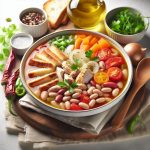
Present this vibrant chickpea stew over a bed of fluffy quinoa or brown rice to complete the amino acid spectrum. Garnish with a wedge of lemon and a handful of chopped fresh cilantro for a pop of color and freshness. For a delightful probiotic kick, serve alongside fermented vegetables like kimchi or house-made sauerkraut. This nourishing plate pairs beautifully with warm, toasted whole-grain pita or flatbread to scoop every flavorful bite.

| Nutrient | Per Serving |
|---|---|
| Calories | 320 |
| Protein | 18g |
| Carbohydrates | 45g |
| Fat | 6g |
Discover more easy recipes for smooth plant protein digestion in our Easy Vegan Protein Recipes collection. For scientific insights into plant protein digestion and bioavailability, visit NHS Nutrition Guidelines.
Q&A
Q&A: Unlocking Ease – Top Tips for Smooth Plant Protein Digestion
Q1: Why is digesting plant protein sometimes more challenging than animal protein?
A: Plant proteins often come bundled with fiber, antinutrients like phytates and lectins, and complex carbohydrates, which can slow down digestion. Unlike animal proteins, plant proteins have different amino acid profiles and cell structures that our bodies need to break down more thoroughly, making smooth digestion a bit trickier.
Q2: What are some simple tips to improve plant protein digestion?
A: Prepare your plant proteins mindfully! Soaking, sprouting, and fermenting legumes and grains reduce antinutrients and boost digestibility. Cooking thoroughly also softens fibers. Adding digestive aids like ginger, turmeric, or fermented foods can stimulate enzymes and promote gut health too.
Q3: Can combining specific plant proteins help with digestion and nutrient absorption?
A: Absolutely! Combining complementary proteins-like rice and beans-can create a complete amino acid profile and optimize digestion. The balance between different plant sources can ease the workload on your digestive system and enhance nutrient uptake.
Q4: How important is chewing in plant protein digestion?
A: Chewing is your first line of digestion defense! Thoroughly chewing plant proteins breaks down tough fibers and cell walls, increasing surface area for digestive enzymes to work more efficiently. Slow, mindful eating can transform heavy meals into smooth experiences.
Q5: Should I consider digestive supplements when consuming a plant-based diet?
A: Digestive enzymes and probiotics can be helpful, especially during dietary transitions or if you consistently feel bloated or sluggish after plant protein meals. They support your gut microbiota and enhance breakdown of complex plant compounds, making digestion easier and more comfortable.
Q6: Are some plant proteins naturally easier to digest than others?
A: Yes! For example, pea and rice proteins are often gentler on the stomach than beans or lentils. Tofu and tempeh-fermented soy products-also tend to digest well. Experiment to find which sources resonate best with your digestive system.
Q7: How can I listen to my body for better plant protein digestion?
A: Pay attention to your body’s feedback-note any bloating, discomfort, or energy dips after meals. Adjust portion size, preparation methods, or protein combinations accordingly. Keeping a food journal can reveal patterns and unlock a smoother, personalized digestion journey.
Unlock the ease of plant protein digestion with mindful habits and creative culinary tricks-your gut will thank you!
Closing Remarks
As we’ve explored, unlocking the secret to smooth plant protein digestion is less about sudden changes and more about thoughtful, gradual adjustments. By embracing a variety of plant-based sources, mindfully preparing your meals, and nurturing your gut health, you can transform plant proteins from a digestive challenge into a nourishing, energizing ally. Remember, the journey to digestive ease is personal-experiment, listen to your body, and savor the vibrant world of plant-powered nutrition. With these tips in hand, you’re not just digesting protein; you’re unlocking a new level of wellness from the ground up.