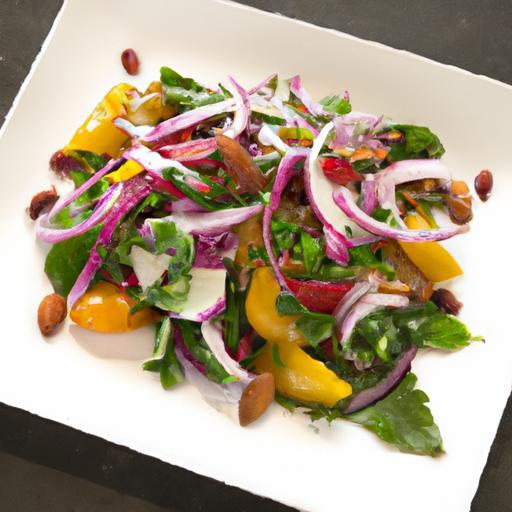

In a world where every crumb counts, the humble veggie scrap holds untapped potential-ready to be transformed from kitchen castoff into environmental gold. Imagine turning peels, stems, and bits you’d normally toss into a treasure trove of sustainability, cutting waste while enriching your garden, wallet, and conscience. This article will take you on a creative journey through top sustainability hacks, revealing how those forgotten scraps can become powerhouse ingredients for compost, natural dyes, flavorful broths, and so much more. Get ready to rethink your kitchen waste and learn how to turn veggie leftovers into pure green gold!
Harnessing Kitchen Composting as a Zero Waste Culinary Hack
Turning veggie scraps into gold unlocks a transformative practice that goes beyond cooking-it enriches your garden and closes the food cycle seamlessly. Instead of tossing those carrot peels or wilted herb stems, you can harness their hidden potential to create a lush, nutrient-packed fertilizer perfect for any home garden or potted plants.
Prep and Cook Time
Preparation: 10 minutes | Compost Activation: Ongoing (weekly maintenance)
Yield
Produces enough rich compost for a small garden bed or 2-3 large potted plants per month
Difficulty Level
Easy – Ideal for beginners eager to reduce waste and cultivate green habits
Ingredients
- Veggie scraps: peels, stems, leaves (onion skins, carrot tops, celery ends, broccoli stems)
- Fruit scraps: cores, peels (apple, citrus, banana skins)
- Coffee grounds: used, dry
- Eggshells: crushed for calcium boost
- Dry leaves or shredded paper: to balance moisture and texture
- Water: to maintain moisture balance
- Airtight compost bin or worm composter: keeps the environment healthy
Instructions
- Collect Your Scraps: Keep a small container on your kitchen counter to gather all veggie and fruit scraps daily-carrot peels, onion skins, celery leaves, and coffee grounds.
- Balance Green and Brown Materials: When transferring to your compost bin, mix green scraps (vegetable matter) with brown materials like dry leaves or shredded paper to create a healthy compost balance that prevents odors.
- Crush Eggshells: Before adding, lightly crush eggshells to speed decomposition and infuse calcium into the compost.
- Maintain Moisture: Sprinkle water lightly to keep the compost moist but not soggy; texture should be like a damp sponge for optimal microbial activity. Stir weekly to aerate.
- Harvest Nutrient-Rich Compost: After 4-6 weeks, your compost will turn dark and crumbly with a fresh, earthy aroma-perfect to enrich garden soil or potting mixes.
Chef’s Notes: Tips for Success
- For faster composting, try vermicomposting with a worm bin indoors. Worms turn scraps into nutrient-dense castings in half the time.
- Avoid meat, dairy, and oily scraps to prevent pests and unpleasant smells.
- Regular stirring helps oxygenate the pile and speeds breakdown.
- Compost can be used straight in garden beds or as a potting soil amendment for vegetables and herbs.
- If space is limited, consider a bokashi system that ferments scraps anaerobically.
Creative Culinary Uses for Leftover Peels and Stems
In addition to composting, some vegetable scraps can be turned into delicious kitchen ingredients-like using carrot tops for bright pesto, onion skins for natural broth color, or celery ends roasted into crispy snacks. Don’t underestimate these humble pieces; they hold flavor power that elevates waste-free cooking.
Building a Sustainable Routine
Turn your composting journey into a daily ritual by setting a designated spot in your kitchen for scraps and check your compost bin’s moisture weekly. Save scraps in a sealed container until bin time to prevent odors and flies. Over time, you’ll notice how this routine reduces waste, fuels your garden, and even inspires creative culinary experiments.
Serving Suggestions
Use the finished compost to enrich your garden beds for homegrown tomatoes, basil, and leafy greens-improving both yield and flavor organically. Fresh salads and homemade soups benefit from veggies grown in soil nourished by your kitchen scraps.
| Nutrient | Approximate Compost Content |
|---|---|
| Nitrogen | High (from green veggie scraps) |
| Phosphorus | Moderate (essential for blooms and roots) |
| Potassium | Moderate (improves overall plant health) |
| Calcium | Elevated (from crushed eggshells) |

By integrating this simple, sustainable method into your culinary routine, turning veggie scraps into gold will become second nature-helping you achieve a thriving, zero waste kitchen and garden.
For more sustainable kitchen tips, check out our Sustainable Cooking Basics guide, and deepen your knowledge on nutrient cycles at the EPA’s Composting at Home resource.
Q&A
Q&A: Turning Veggie Scraps into Gold – Top Sustainability Hacks
Q1: Why should I even bother saving veggie scraps? Aren’t they just trash?
A1: Think of veggie scraps as little nuggets of potential, not garbage! These remnants can be transformed into nutrient-rich compost or flavorful stocks, reducing waste and boosting your garden’s health. Instead of feeding landfills, you’re feeding your soil and soul.
Q2: What’s the easiest way to start turning veggie scraps into something useful?
A2: Start a simple compost bin! Toss in carrot peels, onion skins, leafy ends, and even coffee grounds. Over time, microbes break them down into “black gold” – rich, crumbly compost that plants adore.
Q3: Can all veggie scraps be composted? Are there any no-go items?
A3: Most veggie scraps are compost-friendly, but avoid citrus peels in excess as they’re acidic, and stay clear of meat or dairy scraps-they attract pests and cause odors. Keep it plant-powered!
Q4: What if I don’t have a garden or outdoor space? How can I still use my veggie scraps?
A4: No garden? No problem! Try indoor vermicomposting with worms that thrive in bins on your kitchen counter. Or, simmer your scraps into a homemade vegetable broth-lazy gourmet cooking while reducing waste.
Q5: How do I make vegetable broth from scraps?
A5: Collect peels, ends, and cores in a bag in your freezer. When you have enough, toss them into a pot with water, a pinch of salt, and herbs if you like. Simmer for an hour or two, strain, and voilà-delicious broth!
Q6: Can saving and reusing scraps really make a difference for the environment?
A6: Absolutely! Food waste is a major contributor to greenhouse gases. By repurposing scraps, you shrink your carbon footprint, promote healthier soils, and save money – a triple win for you and the planet.
Q7: Any creative hacks for reusing veggie scraps beyond compost and broth?
A7: Try making homemade veggie powder by drying scraps like kale stems or carrot tops, then grinding them. Sprinkle over dishes for a flavor and nutrient boost! Or regrow greens from scraps-imagine a mini kitchen garden from peelings.
Q8: How often should I collect and process scraps to avoid bad smells or pests?
A8: Aim to empty your scrap bin every 3-5 days if kept indoors. Keep bins covered and dry to prevent odors. Compost piles should be turned regularly to keep things aerated and friendly for your composting army.
Q9: I’m overwhelmed by all this-what’s the simplest first step?
A9: Just start with a dedicated container or jar on your countertop. Each time you chop vegetables, toss the scraps in. It becomes a habit, and you’ll find creative ways to upcycle them naturally.
Q10: Can kids get involved in turning veggie scraps into gold?
A10: Definitely! Composting teaches responsibility, patience, and the magic of nature. Kids love watching worms do their work or planting seeds in nutrient-rich compost. It’s hands-on learning wrapped in fun and green living.
Turning what seems like waste into garden treasure takes just a bit of creativity and care. Every peel counts!
To Conclude
As we’ve discovered, transforming veggie scraps into valuable resources isn’t just a clever trick-it’s a powerful step toward a more sustainable lifestyle. By embracing these simple yet impactful hacks, you’re not only reducing waste but also nurturing your garden, saving money, and contributing to a healthier planet. So next time you’re tempted to toss those carrot tops or broccoli stems, remember: with a little creativity, your kitchen scraps can truly turn into gold. Let’s keep digging, composting, and growing-because sustainability starts right at our fingertips, one peel at a time.