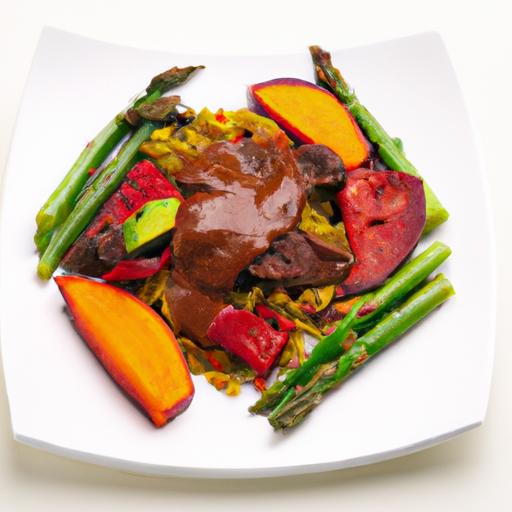

In a world overflowing with excess yet shadowed by hunger, the humble leftovers on our plates hold untapped power. These remnants-once dismissed as mere scraps-are now emerging as lifelines in the battle against food insecurity. Transforming what’s left behind into nourishing meals is more than just clever thrift; it’s a crucial strategy in creating sustainable communities and bridging the gap between abundance and need. This article dives into the innovative ways individuals and organizations are turning yesterday’s meals into tomorrow’s hope, proving that even the smallest morsels can ignite a movement toward food justice.
Turning leftovers into lifelines is not only a sustainable culinary practice but also a powerful act of kindness that contributes to global food security. By creatively reimagining leftover ingredients, we reduce waste, empower communities, and ensure every bite counts. This recipe showcases how simple leftover staples can be transformed into a nourishing and vibrant Leftover Vegetable Frittata-an inspiring dish that embodies resourcefulness and compassion.
Prep and Cook Time
Prep: 15 minutes | Cook: 20 minutes | Total: 35 minutes
Yield
Serves 4 hearty portions
Difficulty Level
Easy – perfect for leftover rookies and kitchen pros alike
Ingredients
- 6 large eggs, beaten
- 1 cup assorted leftover vegetables (roasted peppers, zucchini, spinach, potatoes, etc.), chopped
- ½ cup cooked protein (shredded chicken, beans, or tofu), optional
- ¼ cup grated cheese (cheddar, feta, or Parmesan)
- 2 tablespoons olive oil
- 1 small onion, finely diced
- 2 cloves garlic, minced
- Salt and black pepper to taste
- Fresh herbs (parsley, chives, or basil), chopped, for garnish
Instructions
- Preheat your oven’s broiler and lightly grease a 9-inch oven-safe skillet with 1 tablespoon olive oil.
- Sauté the diced onion and minced garlic in the remaining olive oil over medium heat until softened and golden, about 5 minutes, stirring often to prevent sticking.
- Add your chopped leftover vegetables and cooked protein to the skillet, stirring to combine and warm through, about 3 minutes.
- Season the mixture with salt and pepper, then pour the beaten eggs evenly over the vegetables and proteins. Sprinkle the grated cheese on top evenly.
- Reduce heat to low and cook gently until edges begin to set but center is still slightly runny, about 8 minutes.
- Transfer the skillet to the oven and broil for 3-5 minutes until the top is puffed, golden, and fully set-watch closely to avoid burning.
- Remove the frittata from oven, let it rest for 2 minutes, then garnish with fresh herbs and slice into wedges.
Tips for Success
- Leftover versatility: This recipe welcomes a colorful variety of vegetables-from roasted root veggies to sautéed greens, maximizing your leftover potential.
- Protein pack: Incorporate leftover meats, legumes, or tofu to enrich the dish’s nutritional profile and appeal.
- Cheese swaps: Feel free to experiment with creamy goat cheese or tangy blue cheese for a flavor twist.
- Advance prep: Assemble the frittata ingredients ahead, cover and refrigerate for up to 24 hours; simply cook when ready.
- Broiler caution: Keep a vigilant eye while broiling to ensure the frittata achieves perfect golden color without burning.
Serving Suggestions
This elegant yet rustic leftover vegetable frittata shines when paired with a crisp green salad tossed in a lemon vinaigrette or a side of crusty whole-grain bread. For a heartier meal, drizzle with a spoonful of creamy herb yogurt or a fresh tomato salsa. Garnish with vibrant sprigs of microgreens or edible flowers for a beautiful plate that invites connection and conversation.

| Nutrient | Per Serving |
|---|---|
| Calories | 250 kcal |
| Protein | 18 g |
| Carbohydrates | 10 g |
| Fat | 15 g |
Discover more ways to transform your kitchen scraps into delectable dishes by visiting our Zero Waste Cooking Tips. For an expert perspective on global food sustainability, check out the Food and Agriculture Organization (FAO).
Q&A
Q&A: Turning Leftovers into Lifelines – Tackling Food Insecurity
Q1: What does “Turning Leftovers into Lifelines” mean?
A1: It’s a transformative approach that reimagines food leftovers not as waste, but as valuable resources to combat food insecurity. Instead of discarding extra food, communities and organizations collect, repurpose, and redistribute it to families in need – turning potential scraps into hope and nourishment.
Q2: Why focus on leftovers to address food insecurity?
A2: Every year, millions of tons of edible food end up in landfills, while millions of people struggle with hunger. Leftovers are a goldmine of untapped nutrition. By capturing and redirecting this surplus, we reduce waste and feed those who might otherwise go hungry-a powerful twofold impact.
Q3: Who is behind these leftover-to-lifeline initiatives?
A3: A dynamic mix of helpers – from grassroots volunteers and food rescue nonprofits to local governments and innovative businesses. They collaborate with restaurants, supermarkets, schools, and farms to collect excess food, ensuring it reaches those in need swiftly and safely.
Q4: How do these initiatives ensure the food is safe and nutritious?
A4: Safety is paramount. Organizations implement strict handling protocols, including proper refrigeration, timely collection, and thorough quality checks. Many also train volunteers and donors in best food safety practices to protect recipients’ health.
Q5: Can turning leftovers into lifelines really make a dent in global hunger?
A5: Absolutely. While it’s not a standalone solution, rescuing food leftovers is a crucial piece of the puzzle. It alleviates immediate hunger, reduces food waste’s environmental footprint, and raises awareness about sustainable consumption. Together, these ripple effects drive meaningful change.
Q6: How can individuals contribute to this movement?
A6: Simple actions matter: donate surplus food from your kitchen or events, volunteer with food rescue programs, support restaurants and stores that donate rather than dump, and advocate for policies that encourage food redistribution. Each leftover saved is a lifeline extended.
Q7: What’s the creative potential behind leftovers beyond just redistribution?
A7: Leftovers can inspire culinary innovation-think “community kitchens” transforming surplus into delicious meals, or educational workshops teaching upcycling recipes. They also spark social enterprises and apps that connect leftover food to neighbors, turning food waste into community-building art.
Q8: What challenges do leftover-to-lifeline programs face?
A8: Logistics can be tricky, including coordinating pickups and distributing food before spoilage. Legal concerns over liability, funding constraints, and public awareness are hurdles. However, growing advocacy and technological advances are steadily overcoming these barriers.
In the dance between abundance and need, leftovers are the hidden step that can lead us toward food justice. By turning what’s left on our plates into lifelines for others, we nourish communities and nurture a sustainable future.
Future Outlook
In a world where countless meals go uneaten while millions face the pangs of hunger, turning leftovers into lifelines is more than a creative act-it’s a vital bridge between waste and want. By reimagining surplus food as a resource rather than refuse, communities can transform scarcity into sustenance and apathy into action. Every bite saved and shared is a step toward a future where food insecurity becomes a story of the past. As we rethink our plates and our practices, we hold the power to nourish not just bodies, but hope itself-one leftover at a time.