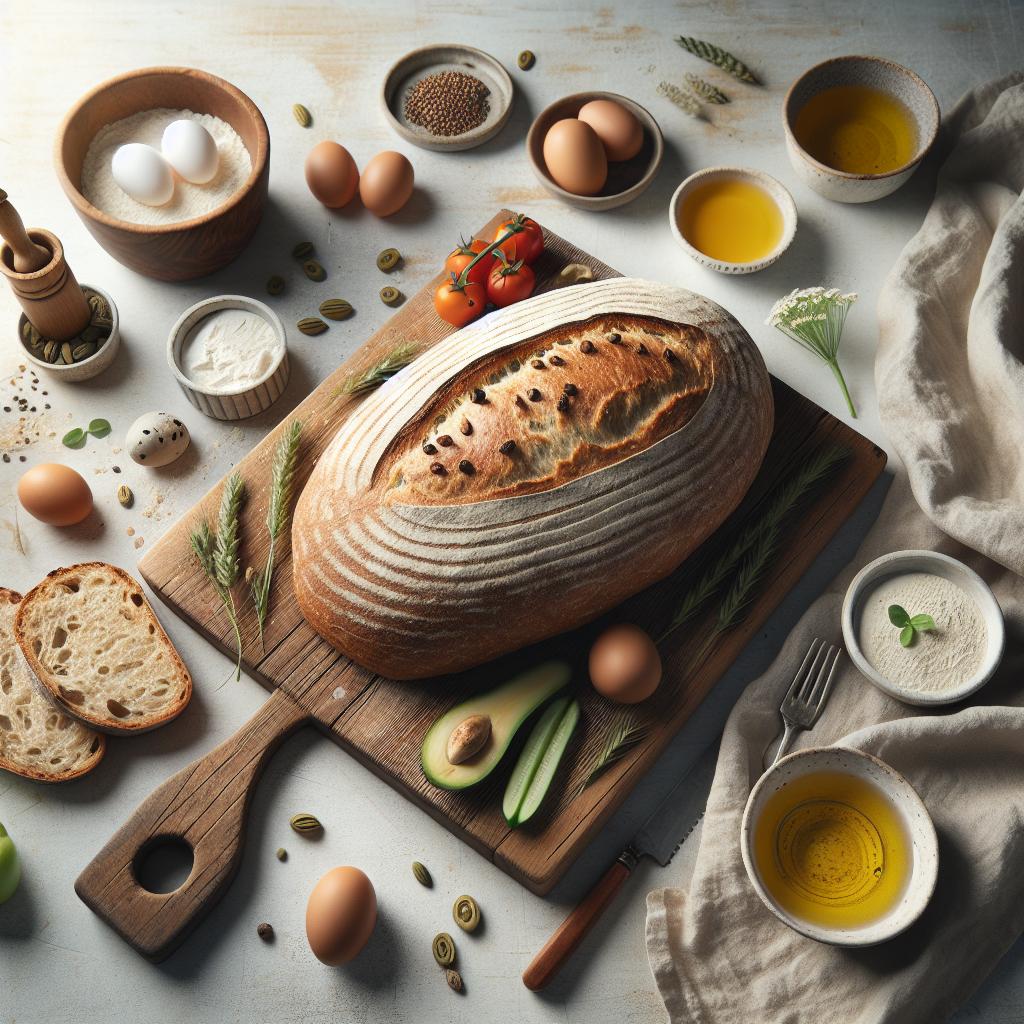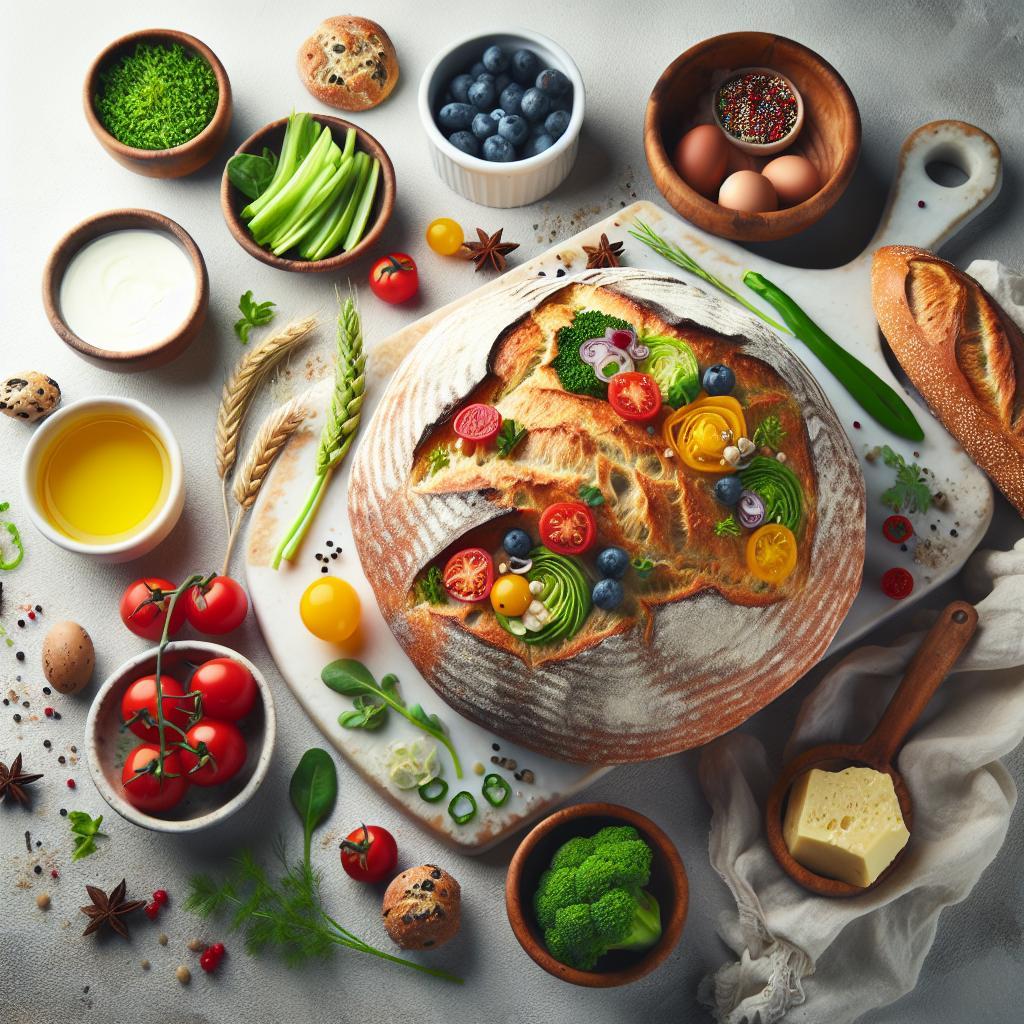

There is a quiet magic in the simple elegance of flour – a powdery canvas that holds the promise of transformation. In the world of baking, flour is not just an ingredient; it is the heart and soul of every loaf, the subtle alchemist that breathes life into dough. “The Art of Flour: Crafting Perfect Homemade Bread” invites you on a journey through the timeless dance of grain and water, yeast and heat, where science and artistry mingle. Whether you’re a curious beginner or a seasoned baker, understanding the nuances of flour unlocks the door to creating bread that is not only nourishing but a masterpiece of texture, flavor, and tradition. Join us as we explore how mastering flour can elevate your homemade bread from ordinary to extraordinary.
The Art of Flour: Crafting Perfect Homemade Bread begins with a deep understanding of how flour transforms from a simple pantry staple into the cornerstone of your loaf’s flavor, texture, and rise. Whether you’re a novice baker or a seasoned pro, unlocking the secrets behind flour protein content, hydration ratios, and flour preparation techniques can elevate your bread baking to bakery-quality results right from your kitchen.
Prep and Cook Time
- Preparation: 20 minutes (plus fermenting time)
- Cooking/Baking: 30-40 minutes
- Total Time: Approximately 4-6 hours (including proofing)
Yield
1 loaf (serves 8)
Difficulty Level
Medium
Ingredients
- 3 cups bread flour, sifted and aged for enhanced flavor
- 1 1/4 cups water, room temperature (adjust hydration as needed)
- 1 1/2 tsp salt
- 2 tsp active dry yeast
- 1 tbsp sugar or honey (optional, for a touch of sweetness and better yeast activation)
Instructions
- Choosing the Right Flour: Start by selecting bread flour with a protein content around 12-14%. This protein level forms the gluten network essential for a chewy, airy crumb. Avoid low-protein flours like cake or pastry flour for this recipe.
- Hydration Mastery: Slowly add water to the sifted bread flour, beginning with 1 1/4 cups. Aim for a tacky but workable dough. You can adjust hydration slightly based on flour absorption and humidity-higher hydration creates a more open crumb texture.
- Mixing Ingredients: In a large bowl, combine flour and yeast. Add water and sugar/honey and mix until just combined. Add salt last, ensuring it doesn’t directly contact yeast early on.
- Kneading the Dough: Turn dough onto a floured surface and knead for about 10 minutes, or until the dough is smooth and elastic. Consider the “windowpane test” – stretch a small piece of dough thin enough to let light through without tearing, which signals well-developed gluten.
- First Rise (Bulk Fermentation): Place dough in a lightly oiled bowl, cover with a damp cloth or plastic wrap, and let it rise in a warm spot for 1.5 to 2 hours, or until doubled in size.
- Shaping and Resting: Gently deflate the dough and shape it into a loaf. Allow the shaped dough to rest for 15 to 20 minutes to relax gluten, which facilitates better expansion during baking.
- Second Rise (Proofing): Place the shaped dough into a greased or parchment-lined loaf pan or on a baking sheet. Cover and let it proof for another 1 to 1.5 hours, until puffy.
- Baking: Preheat the oven to 220°C (430°F). Score the top lightly with a sharp knife for steam escape and oven spring. Bake for 30-40 minutes until the crust is deeply golden brown and the bread sounds hollow when tapped on the bottom.
- Cooling: Remove bread from the oven and cool completely on a wire rack before slicing to let the crumb set fully.
Techniques for Aging and Sifting Flour
For an extra depth of flavor and improved rise, age your flour by storing it in a breathable container for 1-2 weeks before use; this allows natural oxidation that mellows the flour’s flavor profile. Always sift your flour before measuring to introduce lightness and incorporate air, which directly impacts dough texture and crumb softness.
Understanding Flour Protein Content and Its Impact on Texture
Flour protein affects water absorption and gluten structure. High-protein bread flour supports strong gluten strands for chewy bread with a great rise, while lower-protein flours yield softer, more tender loaves but can lack volume. Knowing how to combine these or stay consistent with your flour choice makes a remarkable difference to your final bread.
Mastering Hydration Ratios for Optimal Dough Consistency
Hydration is the ratio of water to flour by weight. For rustic, open-crumb breads, higher hydration (around 75-80%) creates larger, irregular holes but demands more precise handling. For everyday loaves, keeping it at 60-65% hydration balances structure and moisture. Adjust by feel and environment-flour from different regions or seasons absorbs variably.
Chef’s Notes and Tips for Success
- Flour Substitutions: You may blend whole wheat flour up to 25% for a nuttier flavor; increase hydration slightly to compensate for whole wheat’s higher absorption.
- Make-Ahead: After the first rise, punch down dough, wrap tightly, and refrigerate overnight for a slow fermentation that enhances flavor complexity.
- Sifting Flour: Use a fine-mesh sieve or flour sifter to aerate flour before measuring, ensuring accurate volume and lighter dough.
- Troubleshooting: If your dough feels too dry, add water by tablespoons; too sticky, sprinkle more flour carefully to avoid dense bread.
- Flavor Boost: Aging flour or incorporating a pre-ferment (like a biga or poolish) can add nuance to your loaf.
Serving Suggestions
Present your homemade bread with a drizzle of high-quality extra virgin olive oil and a sprinkle of flaky sea salt for dipping. For a rustic feast, pair the loaf with herbaceous fresh basil, aromatic roasted garlic butter, or your favorite nut butter. Garnish with a dusting of rice flour or flour dusting on the crust for an artisan bakery look, perfect for sharing at brunch or dinner tables.

| Nutrient | Per Serving |
|---|---|
| Calories | 190 |
| Protein | 7g |
| Carbohydrates | 35g |
| Fat | 1g |
For further exploration of the science behind flour and bread baking, visit King Arthur Baking’s Flour Guide. Also, check out our comprehensive guide on bread baking techniques to deepen your craft.
Q&A
Q&A: The Art of Flour – Crafting Perfect Homemade Bread
Q1: Why is flour considered the heart of homemade bread?
A1: Flour is the foundation upon which all breads are built. It provides the structure, texture, and character that define the loaf. The proteins in flour develop gluten, giving bread its elasticity and chew, while the type of flour influences flavor and crumb.
Q2: How do different types of flour affect my bread?
A2: Each flour brings a unique personality to your bread. All-purpose flour offers versatility and a moderate gluten level, perfect for everyday loaves. Bread flour, with higher protein, builds stronger gluten networks for chewy, lofty bread. Whole wheat flour adds earthiness and nutrition but can produce denser loaves. Experimenting with blends can balance flavor, texture, and rise.
Q3: What’s the secret to choosing the right flour for my recipe?
A3: Consider the bread style and desired outcome. For crusty artisan breads, a high-protein bread flour shines. For soft sandwich breads, all-purpose may suffice. If you want rustic, hearty bread, include whole grain flours. Always factor in hydration and kneading time, as these interact with flour characteristics.
Q4: How does flour hydration impact my dough?
A4: Hydration-the ratio of water to flour-shapes dough consistency and crumb. Higher hydration creates airy, open textures but requires careful handling. Lower hydration yields firmer dough and tighter crumb. Mastering hydration gives you control over crust and crumb, from rustic to refined.
Q5: Can I use gluten-free flour to bake traditional yeast bread?
A5: Gluten-free flours lack the proteins necessary for gluten structure, which gives bread its stretch and rise. While you can bake gluten-free bread, it demands specialized blends and binders like xanthan gum to mimic gluten’s role. For classic yeast bread, wheat-based flours remain unmatched.
Q6: How important is flour freshness in bread making?
A6: Fresh flour ensures optimal flavor and performance. Over time, flour can absorb moisture or odors, and the gluten-forming proteins may weaken, leading to flatter, less vibrant bread. Store flour in airtight containers, cool and dry, to preserve its baking prowess.
Q7: Can I grind my own flour at home, and what difference does it make?
A7: Home-milled flour connects you deeply with the bread-making craft. Freshly ground flour retains natural oils and flavors that store-bought flour often lacks. It introduces a tender, nuanced flavor and can be adjusted to your preferred coarseness. Just remember, freshly milled flour may need slight recipe adjustments in hydration.
Q8: What tips can help me handle flour better during bread making?
A8: Always measure flour by weight for accuracy. Sift or aerate if a recipe calls for it, to prevent lumps and ensure even mixing. Avoid over-powdering your work surface-too much flour can dry out dough. Embrace the tactile joy: feel the dough change as gluten develops, a true sign of flour’s magic at work.
Q9: How does the art of flour influence the final crust of my bread?
A9: Flour proteins and starches caramelize and interact with moisture during baking to create crust texture and color. High-protein flours help form a chewy crust, while starch-heavy flours contribute to crispness. Dusting with flour or brushing with water can also affect crust attributes, adding to the artistry of homemade bread.
Q10: Is there a flour secret that professional bakers keep close?
A10: Indeed, many pros blend flours to balance gluten strength, flavor, and hydration. They also appreciate the regional nuances of flour-from wheat variety to milling process-that subtly influence the loaf. Respecting and experimenting with flour’s qualities transforms baking from science into art.
Dive bravely into the world of flours, and you’ll unlock the secrets of bread that’s not just made- but truly crafted.
Final Thoughts
As the final grains settle and the aroma of freshly baked bread fills your kitchen, it becomes clear that mastering the art of flour is more than just a culinary skill-it’s a journey into tradition, science, and creativity. Each loaf you craft carries the story of patience, precision, and passion, transforming simple ingredients into something extraordinary. By understanding the nuances of flour and its vital role in bread-making, you unlock endless possibilities to elevate your homemade breads from everyday to exceptional. So, dust off your mixing bowls, embrace the comforting rhythm of kneading, and let your hands become storytellers in the timeless craft of baking perfect bread.