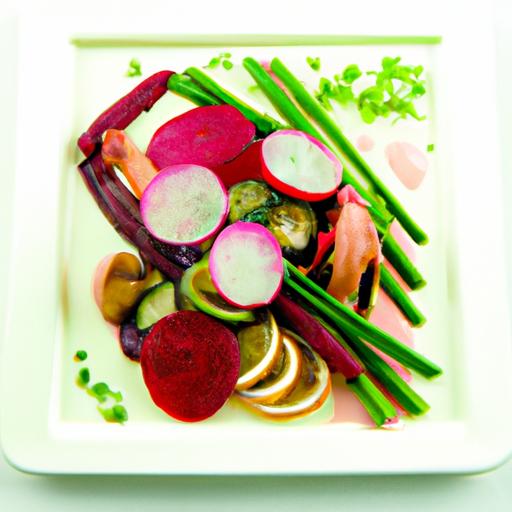
As the seasons turn, our plates often follow a predictable rhythm-roasted squash in fall, hearty stews in winter, fresh salads in spring, and vibrant fruits in summer. While these seasonal staples are comforting and delicious, there’s a world of flavor waiting just beneath the surface, ready to transform your meals from routine to remarkable. “Spice Up Your Plate: Creative Ways to Vary Seasonal Eats” invites you to break free from culinary monotony and discover innovative twists that celebrate nature’s best offerings. Whether you’re a seasoned home cook or a curious foodie, this guide will inspire you to experiment boldly, combining unexpected ingredients, textures, and techniques to bring new life to seasonal ingredients. Get ready to reimagine what’s possible on your plate-each bite a celebration of freshness, flavor, and creativity.
Spice Up Your Plate: Creative Ways to Vary Seasonal Eats
Spice up your plate with this vibrant approach to seasonal cooking, blending traditional ingredients with unexpected global influences to reinvigorate your meals. By embracing fresh, local produce and enhancing it with creative spice pairings and smart flavor combinations, you can transform familiar dishes into exciting culinary experiences that celebrate the essence of each season.
Prep and Cook Time
Preparation: 20 minutes
Cooking: 30 minutes
Total Time: 50 minutes
Yield
Serves 4
Difficulty Level
Medium
Ingredients
- 2 cups roasted butternut squash cubes, peeled and seeded
- 1 cup quinoa, rinsed
- 1 tablespoon coconut oil
- 1 small red onion, finely chopped
- 2 cloves garlic, minced
- 1 teaspoon smoked paprika
- 1/2 teaspoon ground cumin
- 1/4 teaspoon cinnamon
- 1 can (15 oz) chickpeas, drained and rinsed
- 1/4 cup fresh cilantro, chopped
- Juice of 1 lime
- Salt and black pepper to taste
- 1/3 cup toasted pumpkin seeds (optional for garnish)
Instructions
- Cook the quinoa: Combine rinsed quinoa with 2 cups water in a medium saucepan. Bring to a boil, then reduce heat, cover, and simmer for 15 minutes or until water is absorbed. Fluff with a fork and set aside.
- Sauté aromatics: Heat coconut oil in a large skillet over medium heat. Add chopped red onion and garlic; sauté until translucent and fragrant, about 3-4 minutes, stirring occasionally.
- Spice it up: Stir in smoked paprika, ground cumin, and cinnamon, cooking for an additional minute to release the spices’ aroma and deepen their flavor.
- Add vegetables and chickpeas: Toss in roasted butternut squash cubes and chickpeas. Sauté for 7-8 minutes, allowing the flavors to meld and squash to caramelize slightly. Stir gently to avoid breaking the chickpeas.
- Combine and season: Add the cooked quinoa to the skillet, gently folding everything together. Season with lime juice, salt, and pepper to taste. Cook for an additional 2 minutes to warm through.
- Finish with freshness: Remove from heat and stir in chopped cilantro for a burst of herbal brightness.
- Plate and garnish: Serve warm, sprinkled with toasted pumpkin seeds for an added crunch and nutty flavor.
Chef’s Notes
- Pro tip: For a nutty depth, substitute quinoa with farro or bulgur wheat depending on your preference.
- Try roasting the butternut squash with a sprinkle of chili powder for a subtle heat that brings another layer of excitement.
- This dish can be prepared ahead of time and gently reheated, making it perfect for meal prep.
- For a vegan boost, add diced avocado or a dollop of coconut yogurt when serving.
- Not a fan of cilantro? Fresh parsley or mint are excellent alternatives that complement the spices.
Serving Suggestions
Serve this vibrant bowl alongside a crisp green salad tossed with pomegranate seeds and a zesty lemon vinaigrette to complement the warm spices. A side of warm pita or naan bread enhances the global flair, inviting you to scoop and savor each bite. Garnish with extra lime wedges and a sprinkle of chili flakes for those who prefer a little heat.
| Nutritional Information (per serving) | Amount |
|---|---|
| Calories | 320 kcal |
| Protein | 9 g |
| Carbohydrates | 50 g |
| Fat | 7 g |

For more inspiring recipes that diversify your seasonal eats, explore our guide to global spice blends. To learn about the health benefits of spices like paprika and cumin, visit this detailed study from the National Institutes of Health.
Q&A
Q&A: Spice Up Your Plate – Creative Ways to Vary Seasonal Eats
Q1: Why should I bother varying my seasonal eats? Aren’t fruits and veggies already fresh and tasty?
A: Absolutely, seasonal produce tastes fantastic on its own! But think of your plate as a blank canvas-variety is the spice that keeps your meals exciting and nutrient-packed. Trying new recipes or flavor combos can awaken your taste buds and inspire healthier, more joyful eating habits.
Q2: What’s a simple trick to add creative flair to my everyday seasonal veggies?
A: Elevate them with unexpected toppings or cooking methods. For example, roast autumn squash with a sprinkle of smoked paprika and drizzle of honey, or toss spring asparagus in lemon zest, toasted almonds, and a dash of chili flakes. Small twists can transform humble ingredients into vibrant culinary stars.
Q3: How can I make seasonal fruits pop beyond just eating them raw?
A: Think beyond the bowl! Blend berries into smoothies with a hint of fresh herbs like basil or mint, grill stone fruits like peaches and plums for a caramelized sweetness, or create a zesty fruit salsa with lime, jalapeño, and cilantro to top your grilled chicken or fish.
Q4: Any advice on mixing seasonal ingredients in unexpected ways?
A: Mix sweet and savory for a delightful dance of flavors. Pair roasted beets with tangy goat cheese and a drizzle of balsamic reduction, or toss juicy watermelon with feta and fresh mint for a refreshing salad-seasons collide deliciously when you dare to combine textures and tastes!
Q5: How can herbs and spices enhance my seasonal dishes?
A: Herbs and spices are your flavor magicians! Fresh herbs like thyme, rosemary, or cilantro can brighten a hearty squash stew, while spices such as cumin, coriander, or cinnamon add depth and warmth. Play around with combinations to complement the natural flavors of whatever’s in season.
Q6: What about using seasonal ingredients in beverages-any tips?
A: Cheers to that! Infuse your drinks with seasonal goodness by muddling fresh berries or cucumber in sparkling water, crafting cocktails with fresh citrus and herbs, or warming up with spiced apple cider. Drinks are another canvas to artistically celebrate the season’s bounty.
Q7: Where should I start if I want to get adventurous with seasonal cooking but feel intimidated?
A: Begin small-choose one seasonal ingredient and experiment with a new recipe each week. Look for inspiration in farmer’s markets or seasonal cookbooks, and embrace the “happy accidents” in the kitchen. As you build confidence, you’ll discover a world of flavors waiting to be explored!
Spicing up your plate isn’t just about heat-it’s about creatively celebrating nature’s rhythms. Let seasonal eats inspire you to taste, explore, and create with a fresh, flavorful spirit!
To Conclude
As the seasons shift, so too do the vibrant colors, textures, and flavors that grace our plates. Embracing these changes with creativity not only refreshes our meals but also deepens our connection to the natural rhythm of the world. Whether you’re sprinkling unexpected spices on autumn squash or blending summer berries into savory dishes, varying your seasonal eats is a delicious invitation to explore, experiment, and enjoy the endless culinary possibilities that each harvest brings. So go ahead-spice up your plate and let every season be a celebration of fresh, flavorful discovery.