
In a world increasingly hungry for both flavor and responsibility, “Savoring Sustainability: The Nose-to-Tail Grass-Fed Lamb Guide” invites you on a culinary journey that celebrates the art of mindful eating. This guide delves beyond the conventional cuts, exploring the richness and resilience found in every part of the grass-fed lamb-an icon of sustainable farming and ethical consumption. By embracing the nose-to-tail philosophy, we honor the animal’s life, reduce waste, and unlock a spectrum of tastes and textures long overlooked. Join us as we uncover how choosing grass-fed lamb can transform not only your plate but also the future of food itself.
Savoring Sustainability: The Nose-to-Tail Grass-Fed Lamb Guide
Savoring sustainability begins with a reverence for every cut of the grass-fed lamb. Known for its rich flavor and superior tenderness, grass-fed lamb elevates culinary craft through thoughtful sourcing and imaginative cooking techniques. Drawing inspiration from ethical farms that emphasize pasture-raised animals, this recipe transforms underappreciated lamb cuts into a feast of flavor and texture, celebrating both tradition and innovation.
Prep and Cook Time
Preparation: 20 minutes | Cook Time: 2 hours 30 minutes | Total Time: 2 hours 50 minutes
Yield
Serves 6 generously
Difficulty Level
Medium – perfect for home cooks ready to embrace nose-to-tail cooking.
Ingredients
- 2 lbs grass-fed lamb shoulder, bone-in, trimmed of excess fat
- 1 cup pearl onions, peeled
- 3 cloves garlic, minced
- 2 tbsp fresh rosemary, chopped
- 1 tbsp fresh thyme leaves
- 1 cup dry red wine (preferably from a sustainable vineyard)
- 2 cups low-sodium lamb or beef broth
- 3 tbsp olive oil, divided
- 1 tsp smoked paprika
- Salt and freshly cracked black pepper, to taste
- 1 bay leaf
- 1 tbsp tomato paste
- 500g lamb kidney, cleaned and trimmed
- Fresh parsley for garnish
Instructions
- Preheat the oven to 325°F (160°C). Pat the lamb shoulder dry with paper towels to ensure a beautiful sear.
- Season generously with salt, pepper, and smoked paprika. Heat 2 tablespoons of olive oil in a heavy-bottomed Dutch oven over medium-high heat. Sear the lamb on all sides until deeply browned, about 4 minutes per side. Transfer the lamb to a plate.
- In the same pot, reduce heat to medium. Add the remaining 1 tablespoon olive oil, pearl onions, and garlic. Sauté until onions soften and caramelize lightly, about 7 minutes, stirring frequently to prevent burning.
- Stir in the tomato paste, rosemary, thyme, and bay leaf. Cook for 2 minutes until fragrant, then carefully deglaze the pot with the red wine, scraping up browned bits from the bottom with a wooden spoon.
- Return the lamb shoulder to the pot. Add the broth, ensuring the meat is about two-thirds submerged. Bring the liquid to a gentle simmer.
- Cover the pot and transfer it to the preheated oven. Braise the lamb for 2 hours, checking once halfway through to baste the meat and adjust liquid level if necessary.
- While the lamb braises, prepare the kidneys. Rinse well under cold water and pat dry. Season with salt and pepper. In a skillet over medium heat, add a drizzle of olive oil and sauté the kidneys for 3-4 minutes, turning occasionally until golden but still tender. Remove and set aside.
- Once the lamb is tender and falling off the bone, remove it from the oven. Carefully lift out the meat and keep warm. Strain the braising liquid and reduce it over medium-high heat on the stovetop until slightly thickened, about 8-10 minutes.
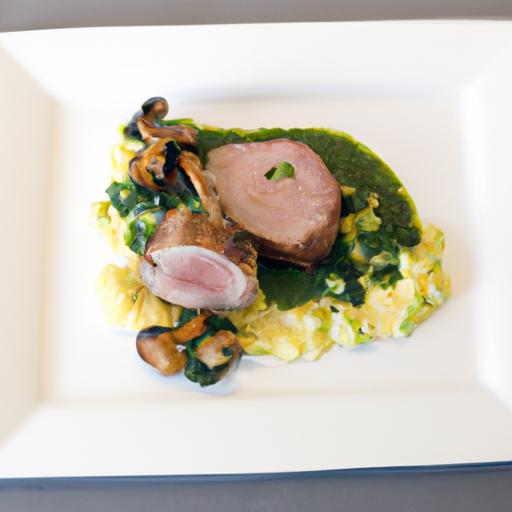
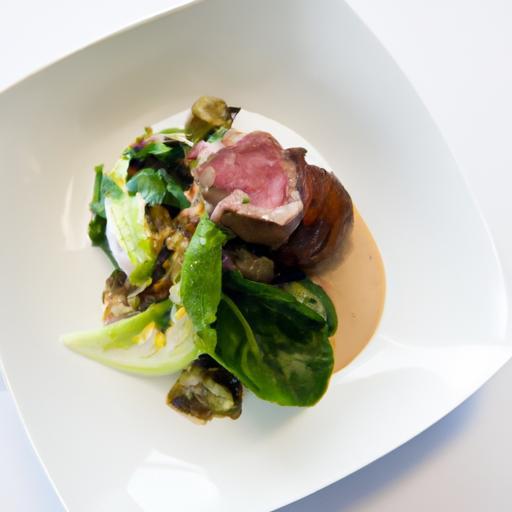
- Slice or shred the lamb shoulder. Arrange on a platter with sautéed pearl onions and kidneys. Drizzle the reduced sauce over the top and garnish with fresh parsley.
Chef’s Notes
- For an added layer of depth, marinate the lamb shoulder overnight in a mixture of red wine, garlic, and herbs before cooking.
- If you prefer a leaner option, substitute lamb kidney for tender lamb loin medallions and adjust cooking times accordingly.
- Use a heavy cast iron or enameled Dutch oven for even heat distribution during braising.
- This dish lends itself well to make-ahead prep; cool and refrigerate overnight to let flavors meld beautifully-reheat gently before serving.
- For a smoky twist, incorporate a small amount of smoked sea salt or lightly char the pearl onions over an open flame.
Serving Suggestions
Present this celebration of grass-fed lamb with creamy mashed potatoes or a rustic root vegetable purée to soak up the luscious sauce. A side of sautéed wild mushrooms or charred seasonal greens will complement the earthy notes. Brighten the plate with a sprinkle of lemon zest and fresh herbs like parsley or mint to balance richness and stimulate the palate. Pair with a robust regional red wine or a light, herbaceous white to elevate the nose-to-tail experience.

| Nutrient | Per Serving |
|---|---|
| Calories | 480 kcal |
| Protein | 45 g |
| Carbohydrates | 8 g |
| Fat | 28 g |
Explore more about selecting sustainably sourced meats in our Ethical Lamb Sourcing Guide and deepen your knowledge with Sustainable Farming Australia, a trusted resource on pasture practices and animal welfare.
Q&A
Q&A: Savoring Sustainability – The Nose-to-Tail Grass-Fed Lamb Guide
Q1: What does “nose-to-tail” mean in the context of grass-fed lamb?
A1: Nose-to-tail is a culinary philosophy that honors the entire animal by using every part – from the tip of the nose to the tail. When applied to grass-fed lamb, it means embracing all cuts and offal, reducing waste, and deepening our connection to sustainable eating. It’s not just about chops and legs; it’s about savoring kidneys, hearts, shanks, and even the marrow.
Q2: Why focus specifically on grass-fed lamb?
A2: Grass-fed lamb is a champion of sustainable farming. Raised on pasture, these lambs contribute to healthier soil, cleaner water, and lower carbon footprints compared to grain-fed alternatives. The meat also offers a richer, more nuanced flavor profile-think earthy, grassy, slightly sweet notes-that reflect the natural pastures the lambs roam.
Q3: How does nose-to-tail eating promote sustainability?
A3: When we consume the entire animal, we reduce food waste dramatically. Every part of the lamb becomes a valuable ingredient, which in turn supports ethical farming practices and encourages a balanced ecosystem. This approach fosters respect for the animal and reverence for resources, all while inspiring innovative cooking.
Q4: What are some lesser-known lamb cuts that deserve attention?
A4: Beyond the familiar leg and rack, cuts like the shoulder blade, neck fillet, and breast are flavorful gems perfect for slow cooking or braising. Offal-such as liver, kidneys, and sweetbreads-offer nutrient-dense and distinctive culinary experiences that connect you closer to traditional, sustainable cuisine.
Q5: How can home cooks incorporate nose-to-tail grass-fed lamb into their menus?
A5: Start small by trying lamb neck stew, grilled sweetbreads, or roasted marrow bones as an appetizer. Experiment with slow-roasting shoulder cuts or transforming liver into pâté. Pairing these dishes with seasonal vegetables and robust herbs not only enhances flavors but celebrates a farm-to-table ethos.
Q6: Are there environmental benefits beyond reducing waste?
A6: Absolutely! Grass-fed lamb grazing practices often help maintain diverse pastures, prevent overgrowth, and support native wildlife habitats. Rotational grazing mimics natural grazing patterns, enriching soil carbon sequestration and promoting biodiversity-key players in combating climate change.
Q7: What about flavor-does nose-to-tail sacrifice taste for sustainability?
A7: Quite the opposite! Using the whole lamb unlocks a tapestry of flavors and textures that you simply won’t find in standard cuts. Rich marrow, tender organs, and flavorful shanks each tell a unique culinary story, offering an adventure for the palate while honoring sustainability.
Q8: How does nose-to-tail eating impact the culture of meat consumption?
A8: This practice shifts the narrative from convenience and discard to mindfulness and appreciation. It reconnects us with age-old traditions where no part was wasted, fostering a deeper respect for the animal and the environment. This cultural shift encourages more conscious, ethical choices around food.
Q9: Where can consumers find quality grass-fed, nose-to-tail lamb?
A9: Look for trusted local farmers or specialty butcher shops that prioritize pasture-raised animals and whole-animal sales. Farmers’ markets and community-supported agriculture (CSA) programs can be great sources too. Building relationships with producers often unlocks access to rare cuts and valuable guidance.
Q10: What’s your final tip for savoring sustainability with nose-to-tail grass-fed lamb?
A10: Be curious and adventurous! Embrace the humble parts, get creative in the kitchen, and remember that every bite carries a story of stewardship and care. Savor not just the meat, but the sustainable journey it represents-a feast for your taste buds and your conscience.
In Retrospect
As we close the chapter on savoring sustainability, the nose-to-tail approach to grass-fed lamb reveals itself not just as a culinary adventure, but a powerful statement in mindful eating. By embracing every cut, every flavor, and every bite, we honor the animal, the land, and the timeless traditions that bring this protein to our plates. From succulent racks to nutrient-rich offal, the journey encourages us to rethink waste, nurture biodiversity, and support ethical farming. Let this guide inspire your next meal to be more than food-it becomes a celebration of nature’s full bounty and the sustainable future we all strive to taste.