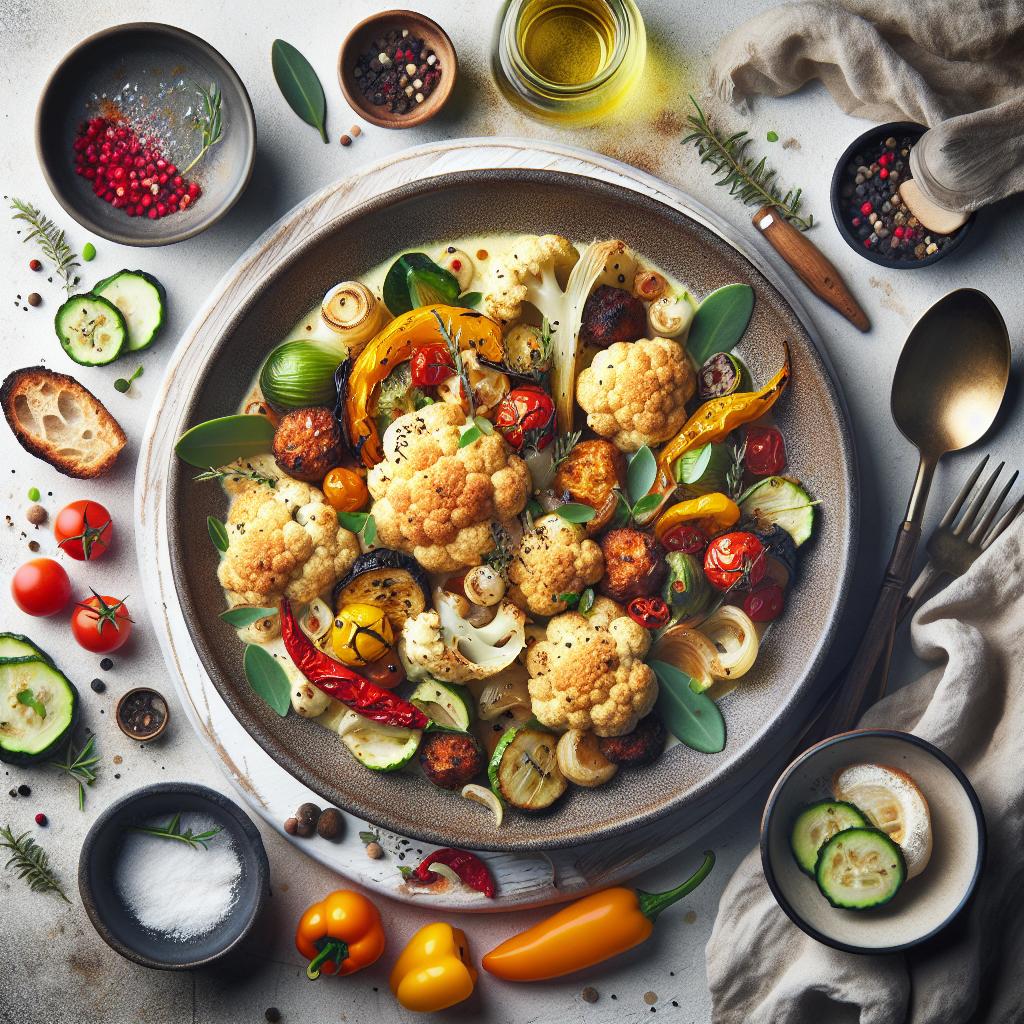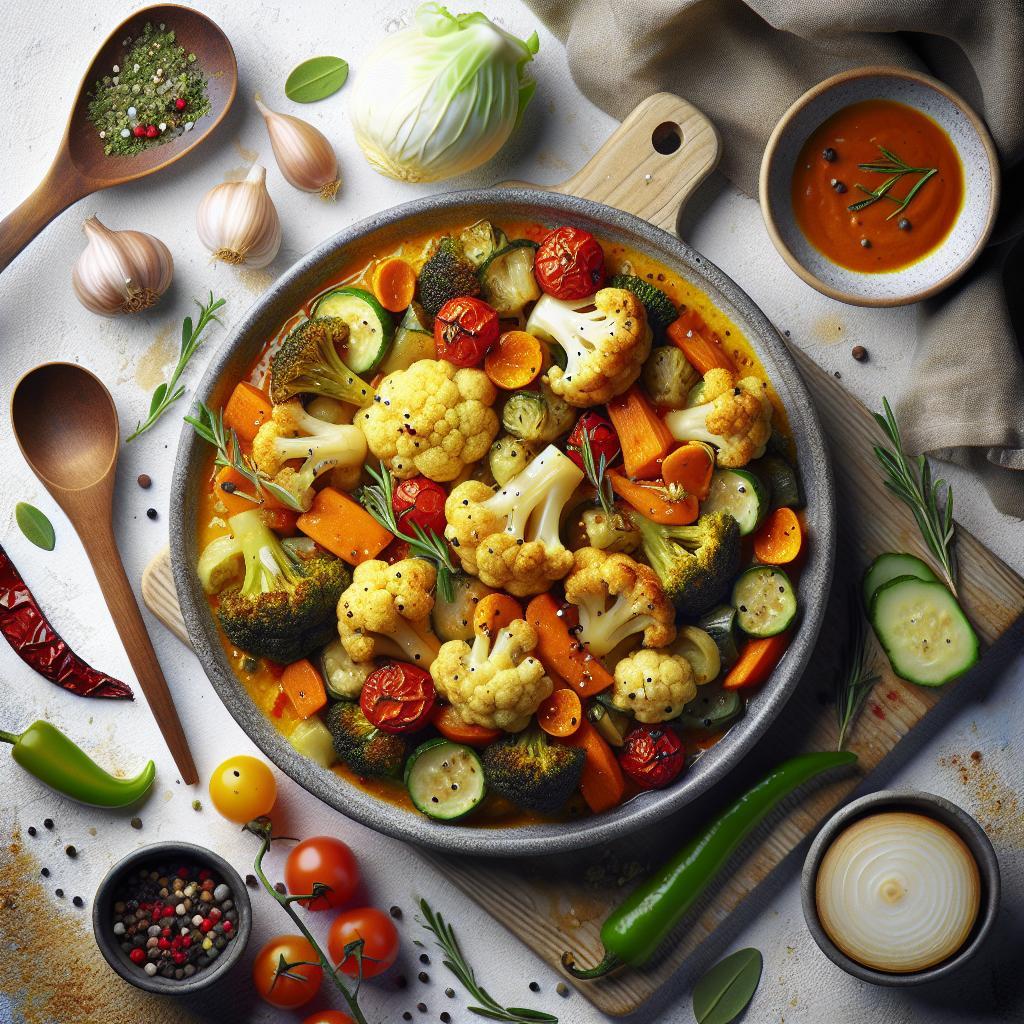

There’s something magical that happens when humble cauliflower meets the transformative power of roasting – a golden caramelization that breathes new life and depth into this versatile vegetable. Now, imagine those rich, smoky notes swirling through a hearty, soul-warming stew, creating a dish both comforting and unexpected. In this article, we unveil a roasted cauliflower stew recipe that promises to redefine your perception of cauliflower, inviting you to savor every flavorful spoonful. Whether you’re a seasoned chef or a curious foodie, get ready to discover a symphony of tastes that celebrate the humble yet extraordinary cauliflower like never before.
Savor the Flavor: Roasted Cauliflower Stew Recipe Unveiled invites you on a culinary journey that transforms humble cauliflower into a rich, aromatic feast bursting with depth and warmth. This dish, inspired by rustic Mediterranean kitchens, skillfully marries the caramelized nuttiness of roasted cauliflower with the boldness of perfectly curated spices, creating a stew that comforts and delights. Whether you’re a seasoned home cook or new to vegetarian stews, this recipe offers an approachable yet gourmet experience that celebrates wholesome ingredients and layered flavors.
Prep and Cook Time
- Preparation Time: 20 minutes
- Roasting Time: 25 minutes
- Simmering Time: 35 minutes
- Total Time: 1 hour 20 minutes
Yield
- Serves: 6 hearty portions
Difficulty Level
- Medium – Perfect for cooks ready to elevate everyday vegetables into a gourmet dish
Ingredients
- 1 large head cauliflower, cut into bite-sized florets
- 3 tablespoons olive oil, divided
- 1 large onion, finely chopped
- 4 garlic cloves, minced
- 2 medium carrots, peeled and diced
- 2 celery stalks, diced
- 1 red bell pepper, diced
- 1 teaspoon smoked paprika
- 1 teaspoon ground cumin
- 1/2 teaspoon ground coriander
- 1/4 teaspoon cayenne pepper (adjust to taste)
- 1 teaspoon dried oregano
- 1/2 teaspoon turmeric powder
- 1 can (14 oz) diced tomatoes, with juices
- 4 cups vegetable broth, low sodium
- 1 cup cooked chickpeas (canned or freshly prepared)
- Salt and freshly ground black pepper, to taste
- Juice of 1 lemon
- Fresh parsley or cilantro, chopped for garnish
- Optional: 1 tablespoon tomato paste for intensified umami
Instructions
- Preheat your oven to 425°F (220°C). Place cauliflower florets on a rimmed baking sheet and toss with 2 tablespoons olive oil, salt, and pepper. Roast until golden and caramelized, about 20-25 minutes, flipping once halfway through for even browning.
- While the cauliflower roasts, heat 1 tablespoon olive oil in a large heavy-bottomed pot over medium heat. Add chopped onion, carrots, celery, and bell pepper. Sauté until softened and fragrant, about 7-8 minutes.
- Add the garlic, smoked paprika, cumin, coriander, cayenne, oregano, and turmeric to the pot. Stir constantly for 1-2 minutes to toast the spices, unlocking their full aroma without burning.
- Pour in the diced tomatoes and vegetable broth. Stir well, scraping up any flavorful bits from the bottom. If using, add tomato paste now to deepen the stew’s richness.
- Bring the mixture to a gentle boil, then reduce the heat and simmer uncovered for 15 minutes, allowing the flavors to meld and the broth to slightly thicken.
- Add the roasted cauliflower florets and the cooked chickpeas, stirring gently to combine. Simmer for an additional 15 minutes to let the flavors fully unify and the stew thicken to a hearty texture.
- Finish the stew with fresh lemon juice and adjust seasoning with salt and pepper to taste. The lemon adds a bright contrast that elevates the deep, roasted notes perfectly.
Expert Tips for Crafting the Perfect Cauliflower Stew
- Roast until golden: Don’t rush the roasting step; the deep caramelization is where the magic begins. It gives the stew its unmistakable smoky, nutty backbone.
- Layer your spices thoughtfully: Toasting dry spices in the sauté stage releases fragrant oils, intensifying the overall flavor. Use fresh spices for maximum punch.
- Vegetable broth matters: Use a rich, homemade or high-quality broth for depth-this stew thrives on umami.
- Chickpea texture: For added creaminess, mash some chickpeas before adding them in; it thickens the stew beautifully.
- Make it ahead: Flavors deepen overnight. Reheat gently, adding a splash of broth to loosen if needed.
- Keep it vibrant: Garnish with fresh herbs and a squeeze of lemon before serving to contrast the stew’s warmth with fresh brightness.
Serving Suggestions
This roasted cauliflower stew shines served over a bed of fluffy couscous, quinoa, or warm, crusty whole-grain bread to soak up every drop. For an added layer of indulgence, drizzle with a dollop of cooling Greek yogurt or a swirl of tahini sauce. Garnish generously with chopped parsley or cilantro, a sprinkle of toasted pumpkin seeds for crunch, and a wedge of lemon on the side. A crisp green salad with citrus vinaigrette pairs beautifully to add a balanced freshness to the meal.
| Nutrient | Per Serving |
|---|---|
| Calories | 280 kcal |
| Protein | 12 g |
| Carbohydrates | 35 g |
| Fat | 9 g |
For further inspiration on plant-based comfort meals, check out our Plant-Based Stews and Soups Collection or visit Serious Eats’ roasted vegetable guide for expert tips on achieving perfect roast every time.

Q&A
Q&A: Savor the Flavor: Roasted Cauliflower Stew Recipe Unveiled
Q1: What makes roasted cauliflower the star of this stew?
A1: Roasting cauliflower caramelizes its natural sugars, giving it a rich, nutty depth that transforms a simple vegetable into a flavorful powerhouse. This process adds layers of complexity and warmth to the stew, making every spoonful deeply satisfying.
Q2: Can I use fresh cauliflower or frozen cauliflower for this recipe?
A2: Fresh cauliflower is ideal for roasting, as it crisps beautifully and develops a gorgeous golden color. While frozen cauliflower can work in a pinch, it may release more moisture and won’t caramelize as effectively, resulting in a slightly different texture and flavor.
Q3: What essential spices elevate the roasted cauliflower stew?
A3: Warm spices like cumin, smoked paprika, and a touch of turmeric bring aromatic depth and earthiness to the dish. A hint of chili flakes can add a gentle heat that wakes up the palate without overpowering the comforting nature of the stew.
Q4: Is this stew suitable for a vegetarian or vegan diet?
A4: Absolutely! This recipe is naturally plant-based, combining wholesome vegetables, legumes or beans, and fragrant herbs to create a hearty, flavorful stew perfect for vegetarians and vegans alike.
Q5: How do I achieve the perfect stew consistency?
A5: Balancing the liquid is key-using vegetable broth or a slow-simmered stock provides a velvety base without overpowering the roasted flavors. Simmer gently until the cauliflower is tender but still holds its shape, and for a thicker texture, mash a few cauliflower florets into the broth.
Q6: Can I customize this stew with other veggies?
A6: Definitely! Root vegetables like carrots, parsnips, or sweet potatoes complement the roasted cauliflower beautifully. Leafy greens such as kale or spinach can be stirred in towards the end for added color and nutrients.
Q7: What’s the best way to serve and garnish this cauliflower stew?
A7: A sprinkle of fresh herbs like cilantro or parsley brightens the dish, while a dollop of creamy plant-based yogurt or a drizzle of tahini adds richness and tang. Serve with crusty bread or fluffy grains to soak up every luscious bite.
Q8: How far in advance can I prepare this stew?
A8: This stew tastes even better the next day as the flavors deepen! Prepare it a day ahead, store it in the fridge, and gently reheat before serving to enjoy a comforting, cozy meal anytime.
Q9: Any tips for roasting cauliflower to perfection?
A9: Toss cauliflower florets with a good drizzle of olive oil and a pinch of salt before roasting at a high temperature (around 425°F/220°C). Spread them out evenly on a baking sheet to avoid steaming, and roast until golden and slightly crispy on the edges.
Q10: Why choose roasting over boiling cauliflower for the stew?
A10: Roasting intensifies the vegetable’s natural taste and adds texture, while boiling can leave cauliflower bland and mushy. This technique infuses the stew with smoky, caramelized notes that elevate the entire dish.
In Retrospect
As the final spoonful of this roasted cauliflower stew warms your soul, you’ll appreciate how simple ingredients can transform into a symphony of flavors. This recipe is more than just a meal-it’s an invitation to explore the magic of roasting and slow simmering, unlocking depth and comfort in every bite. Whether you’re a seasoned cook or a curious novice, let this stew inspire your kitchen adventures, proving that sometimes, the most humble vegetables create the most unforgettable dishes. So go ahead, savor the flavor, and let your culinary creativity simmer and shine.