
In a world that races against the clock, where convenience often trumps care, a quiet revolution is stirring at our dining tables-one that invites us to slow down, savor each bite, and rethink the way we treat our food. “Savor & Save: Embracing Slow Food and Leftover Magic” is more than just a call to mindful eating; it’s an invitation to rediscover the joy of cooking with intention and the art of transforming yesterday’s meals into tomorrow’s delights. As we peel back the layers of fast-paced consumption, this article explores how embracing slow food principles and celebrating leftovers can nourish not only our bodies but also our planet, wallets, and communities. Join us on this flavorful journey where patience and creativity turn every morsel into a moment worth cherishing.
Savor & Save begins with a conscious approach to cooking, where every ingredient is cherished and leftovers are transformed into mouthwatering creations. Rooted in the slow food philosophy, this method celebrates sustainability by reducing waste and enhancing flavor through thoughtful reinvention. Embracing this practice not only nurtures the palate but also cultivates a mindful kitchen, where simple tools and habits turn everyday meals into culinary stories worth savoring.
Prep and Cook Time
Preparation: 15 minutes | Cooking: 25 minutes | Total: 40 minutes
Yield
Serves 4
Difficulty Level
Medium
Ingredients
- 2 cups leftover roasted vegetables (such as carrots, bell peppers, zucchini), chopped
- 1 cup cooked grains (quinoa, rice, or farro), cooled
- 1/2 cup cooked protein (such as shredded chicken, beans, or tofu)
- 1 small onion, finely diced
- 2 cloves garlic, minced
- 2 tbsp olive oil
- 1 tsp smoked paprika
- 1/2 tsp ground cumin
- Salt and freshly ground black pepper, to taste
- 1/4 cup fresh parsley, chopped
- Juice of 1 lemon
- Optional: 1/4 cup crumbled feta cheese or toasted nuts for garnish
Instructions
- Heat the olive oil in a large skillet over medium heat. Add the diced onion and minced garlic, sautéing until translucent and fragrant, about 4 minutes.
- Add the leftover roasted vegetables to the skillet. Sauté gently, allowing them to warm through and develop a slight caramelization for about 5 minutes, stirring regularly to avoid sticking.
- Stir in the smoked paprika and ground cumin, letting the spices bloom in the oil for 1 minute to deepen their flavors.
- Fold in the cooked grains and protein. Combine thoroughly, so each bite is a delicious fusion of textures and tastes. Cook for another 3-4 minutes, stirring to heat evenly.
- Season with salt, black pepper, and the fresh lemon juice. Stir in the chopped parsley to add vibrant freshness.
- Remove from heat and transfer to a serving dish. Sprinkle with feta cheese or toasted nuts if desired for added crunch and tang.
Chef’s Notes
- Ingredient swaps: Use any leftover cooked vegetables and grains you have; this recipe is highly adaptable.
- Make it vegan: Skip the feta and add roasted chickpeas for an extra protein boost.
- Batch-friendly: Prepare in advance and refrigerate for up to 3 days. Reheat gently on the stove with a splash of water or broth to retain moisture.
- Flavor boosters: Add a spoonful of harissa or a drizzle of tahini for an extra layer of complexity.
Serving Suggestions
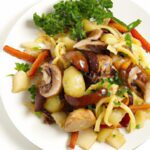
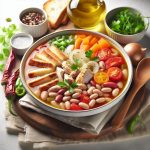
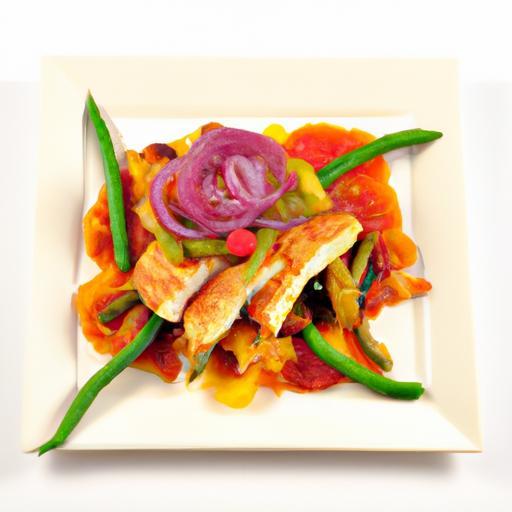
This versatile dish shines served warm as a hearty lunch or light dinner. Present it in rustic bowls garnished with a scattering of fresh herbs and a wedge of lemon for squeezing at the table. Pair with a crisp green salad or crusty whole-grain bread to accentuate its earthy, comforting flavors. For a festive touch, top with pomegranate seeds to introduce burst of tangy sweetness that contrasts beautifully with the smoky spices.

| Nutrient | Per Serving |
|---|---|
| Calories | 320 kcal |
| Protein | 15 g |
| Carbohydrates | 40 g |
| Fat | 10 g |
Embracing sustainable cooking practices through this recipe encourages reducing food waste and invites you to treasure the full potential of your ingredients. For further inspiration, explore our Sustainable Meal Planning Guide and deepen your journey into conscious cooking. To learn more about the slow food movement’s global impact, visit Slow Food International.
Q&A
Q&A: Savor & Save – Embracing Slow Food and Leftover Magic
Q1: What is the philosophy behind the “Slow Food” movement?
A1: Slow Food is a delightful rebellion against the fast-paced, convenience-driven food culture. It champions cooking and eating with intention-celebrating local ingredients, traditional cooking methods, and the joy of savoring every bite. It’s about reconnecting with where food comes from and honoring the time and care that goes into each meal.
Q2: How can adopting slow food principles help me save money?
A2: Embracing slow food means cooking thoughtfully rather than rushing into takeout or processed options. By planning meals around seasonal and local produce, you often pay less and waste less. Plus, taking the time to enjoy your meals encourages mindful portioning-reducing leftover waste and unnecessary snacking, which ultimately saves your wallet and the planet.
Q3: What is “Leftover Magic,” and why is it important?
A3: Leftover Magic is the art of transforming yesterday’s meals into today’s culinary treasures. It’s about creativity and resourcefulness-turning that roast chicken into a vibrant salad, or leftover veggies into a comforting soup. This mindset reduces food waste, extends your grocery budget, and sparks culinary innovation in your kitchen.
Q4: How can I get started with slow food and leftover magic without feeling overwhelmed?
A4: Begin small-start with one or two weekly meals made from scratch using fresh ingredients. Make a habit of saving leftovers in clear containers and brainstorming quick remix ideas, like adding herbs or grains. Experimenting with slow cooking methods like braising or simmering can also transform simple ingredients into extraordinary dishes without much fuss.
Q5: Are there any surprising benefits to eating slowly and mindfully?
A5: Absolutely! Eating slowly helps digestion and allows your brain to register fullness, preventing overeating. Mindful meals foster gratitude and connection-whether it’s with your food, the cook who prepared it, or those you share it with. This deeper appreciation can turn mealtime into a relaxing ritual, boosting overall well-being.
Q6: Can embracing these practices help reduce environmental impact?
A6: Yes! Slow Food supports biodiversity by encouraging diverse, local crops and sustainable farming. Leftover Magic cuts down on food waste, which is a major contributor to greenhouse gas emissions. Together, they promote a more sustainable food system that respects the earth’s resources and reduces your environmental footprint.
Q7: What are some quick tips to create magic out of leftovers?
A7: Think of leftovers as building blocks-chop roast veggies for a frittata, blend fruit for smoothies, or combine dated bread with eggs for a savory bread pudding. Use herbs, spices, and pantry staples to breathe new life into dishes. Keep a “leftover night” weekly to prioritize transformation instead of toss-out.
By honoring the slow food ethos and practicing leftover magic, you invite creativity, savings, and sustainability into your kitchen – one delicious bite at a time!
The Way Forward
As we journey through the vibrant tapestry of flavors and stories woven by slow food and leftover magic, it becomes clear that eating mindfully is more than a habit-it’s a celebration of creativity, sustainability, and respect for our planet. By savoring each bite and honoring every morsel, we not only transform meals into meaningful experiences but also champion a future where nourishment and resourcefulness walk hand in hand. So, next time you pause at your plate, remember: slow down, savor deeply, and let leftover magic remind you that good food-and good stewardship-are truly timeless.