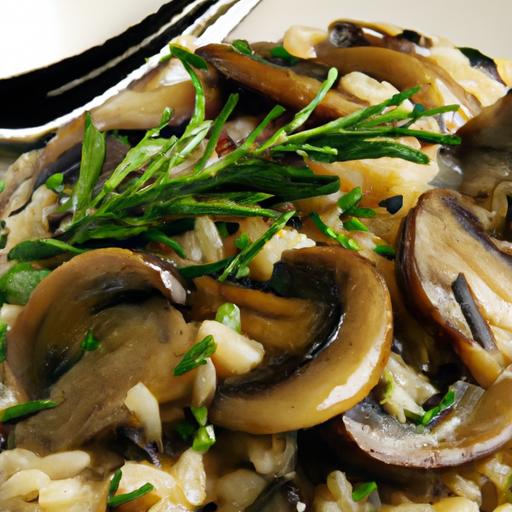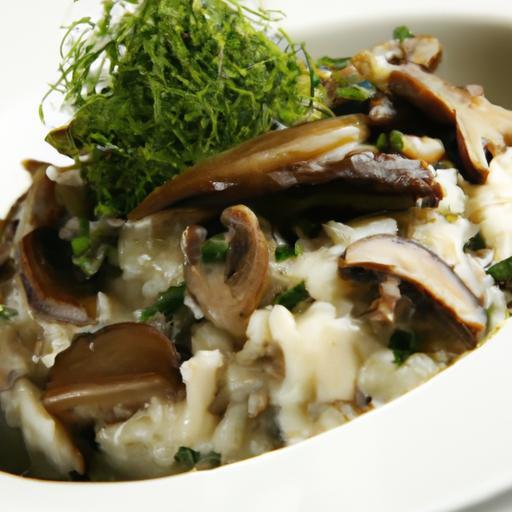

In a world increasingly aware of sustainability and mindful cooking, every ingredient counts – right down to the often-overlooked mushroom stem. Enter root-to-stem mushroom stem risotto, a culinary celebration that transforms what was once discarded into a rich, earthy symphony of flavors. This dish not only honors the mushroom in its entirety but also champions the philosophy of “waste not,” marrying eco-consciousness with irresistible taste. Join us as we dive into the art of elevating humble mushroom stems into a creamy, comforting risotto that’s as kind to the planet as it is to your palate.
Root-to-Stem Mushroom Stem Risotto: Flavorful Waste Not
Root-to-Stem Mushroom Stem Risotto celebrates the often-overlooked treasures of mushroom stems, transforming them into a creamy, umami-packed dish that’s both sustainable and indulgent. Inspired by classic Italian risotto but reimagined through the lens of zero waste, this recipe shows how every part of the mushroom can shine. I first embraced this method during a seasonal foraging adventure where stems, typically discarded, revealed themselves as a flavor powerhouse. The result is a risotto that’s luscious on the palate and kind to the planet.
Prep and Cook Time
Preparation: 15 minutes | Cooking: 35 minutes | Total: 50 minutes
Yield
Serves 4 generous portions
Difficulty Level
Medium – perfect for cooks comfortable with stovetop techniques and patient stirring
Ingredients
- 1 ½ cups mushroom stems, finely chopped (preferably cremini or button mushrooms)
- 1 ½ cups arborio rice
- 5 cups vegetable broth, kept warm
- 1 small yellow onion, finely diced
- 3 cloves garlic, minced
- ½ cup dry white wine
- 3 tbsp unsalted butter
- 2 tbsp olive oil
- ½ cup freshly grated Parmesan cheese
- Salt and freshly ground black pepper, to taste
- Fresh parsley, chopped, for garnish
- Optional: 1 tsp truffle oil for drizzling
Instructions
- Prepare your mushroom stems: Rinse and finely chop the mushroom stems. Use a food processor for a uniform texture if desired, but avoid turning them into a paste.
- Sauté aromatics: Heat 1 tbsp olive oil and 1 tbsp butter in a large skillet over medium heat. Add the diced onion and cook until translucent, about 4-5 minutes. Stir in the garlic and cook for another minute until fragrant.
- Cook mushroom stems: Add the chopped mushroom stems to the skillet. Sauté until golden brown and any moisture has evaporated, approximately 6-7 minutes. Season lightly with salt to draw out excess liquid.
- Toast the rice: Stir in the arborio rice, coating each grain with the buttery, aromatic mixture. Toast the rice for 2 minutes, stirring continuously for even cooking and to release starch.
- Deglaze with wine: Pour in the white wine and cook until almost fully absorbed, about 2-3 minutes, stirring frequently to prevent sticking.
- Build the risotto: Begin adding the warm vegetable broth one ladle at a time. Stir constantly, allowing each addition to be absorbed before adding the next. This gradual process ensures the rice becomes creamy and tender. Continue for approximately 25 minutes or until the rice is al dente.
- Finish with richness: Remove from heat. Stir in the remaining butter and Parmesan cheese until melted and silky. Taste and adjust seasoning with additional salt and pepper as needed.
- Plate and garnish: Spoon risotto into bowls, garnish with fresh parsley and a delicate drizzle of truffle oil if using. Serve immediately for the best texture and flavor.
Tips for Success
- Choosing mushrooms: Cremini and button mushrooms have stems that withstand cooking well and deliver a deep, earthy flavor essential for this recipe.
- Broth importance: Warm broth is key to maintaining even cooking temperature and the signature creamy texture of risotto.
- Consistent stirring: Stirring releases the rice’s starches, crucial for creaminess-don’t rush this step.
- Make-ahead note: Risotto is best eaten fresh, but you can cool and refrigerate it. Reheat gently with a splash of broth or water, stirring to revive its creamy consistency.
- Variations: Add sautéed wild mushroom caps or a handful of fresh herbs like thyme or tarragon to deepen complexity.
Serving Suggestions
This risotto pairs exquisitely with a crisp green salad dressed in lemon vinaigrette to balance its richness. For an elevated presentation, serve alongside seared scallops or roasted seasonal vegetables. Garnish with a sprinkle of toasted pine nuts or shaved Parmesan shards for added texture and visual appeal.
| Nutrient | Per Serving |
|---|---|
| Calories | 350 |
| Protein | 10g |
| Carbohydrates | 55g |
| Fat | 9g |

For those eager to deepen their zero-waste cooking knowledge, explore this detailed guide on sustainable kitchen practices. Also, our zero waste mushroom recipes collection offers delicious inspiration for using every part of the mushroom sustainably.
Q&A
Q&A: Root-to-Stem Mushroom Stem Risotto: Flavorful Waste Not
Q1: What does “root-to-stem” mean when cooking with mushrooms?
A1: “Root-to-stem” is a sustainable cooking approach that encourages using the entire ingredient-in this case, the whole mushroom, including the stems, caps, and sometimes even the gills. Rather than tossing mushroom stems as scraps, this method celebrates their robust flavor and texture, turning what’s often wasted into a star component of your dish.
Q2: Why use mushroom stems in risotto instead of just the caps?
A2: Mushroom stems pack a lot of umami and earthy flavor, sometimes even more concentrated than caps. Incorporating stems in risotto adds depth and complexity to the dish, enriching the creamy rice with layers of taste that might otherwise be missed. Plus, it cuts down on kitchen waste and stretches your ingredient budget-a win-win!
Q3: Are all mushroom stems edible and suitable for risotto?
A3: Most common varieties like cremini, shiitake, button, and portobello have stems that are perfectly edible. However, some wild or exotic mushrooms have tougher, woody stems best reserved for stock or discarded. When using stems in risotto, choose those that are tender and slice them finely to ensure they cook evenly and blend smoothly with the rice.
Q4: How do you prepare mushroom stems for risotto?
A4: Start by cleaning your mushrooms thoroughly. Then, separate the stems from the caps. Finely chop the stems, as this helps them cook quickly and integrate seamlessly into the risotto. Sauté them with onions or garlic to release their earthy aroma before adding your rice and broth-this step maximizes flavor development.
Q5: Does adding mushroom stems affect the texture of risotto?
A5: When chopped finely and cooked properly, mushroom stems contribute a pleasant, subtle bite without overpowering the creamy softness of the risotto. Their slight firmness complements the al dente rice, offering a delightful contrast that enhances the overall mouthfeel of your dish.
Q6: Can I use mushroom stems in other dishes besides risotto?
A6: Absolutely! Mushroom stems are versatile and can brighten up soups, stocks, sautés, stir-fries, and even veggie burgers. Their rich flavor makes them a fantastic addition to nearly any dish where mushrooms shine, encouraging creativity and mindful cooking.
Q7: What are some tips for making the best root-to-stem mushroom stem risotto?
A7: Use fresh mushrooms for optimal flavor, chop stems finely, and sauté them well to deepen their taste. Gradually ladle warm broth into your rice while stirring constantly-this coaxing creates that signature creamy risotto texture. Finish with a splash of white wine, a sprinkle of Parmesan, and fresh herbs like thyme or parsley to elevate the dish even further.
Q8: Why is adopting root-to-stem cooking important?
A8: It’s about respecting your ingredients and reducing food waste. When we use every part of what we cook with, we honor the environment and our efforts in the kitchen, making meals more sustainable and economical. Plus, root-to-stem cooking invites us to discover new textures and flavors hidden in familiar foods.
Embrace the humble mushroom stem next time you cook risotto-it’s a tasty nod to mindful eating and a delicious way to savor every bit!
Future Outlook
Embracing the root-to-stem philosophy transforms humble mushroom stems from overlooked scraps into the star ingredient of a luscious risotto. This flavorful waste-not approach not only reduces food waste but elevates your culinary creativity, proving that every part of the mushroom holds a story-and a taste-worth savoring. So next time you cook with mushrooms, remember: delicious sustainability begins from the stem up.