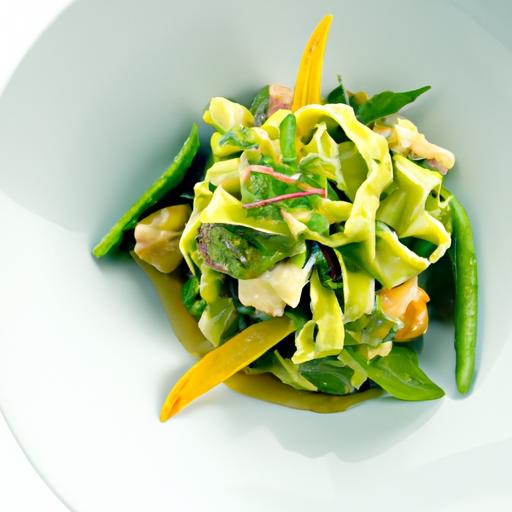

Imagine savoring every vibrant note of your favorite vegetable-from the crisp, tender roots beneath the soil to the leafy crowning glory reaching skyward. Root-to-stem living is more than just a culinary trend; it’s a flavorful philosophy that invites us to embrace the entire bounty of the plant. By using fruits, vegetables, and herbs in their entirety, we unlock layers of taste often overlooked, reduce waste that burdens our planet, and reconnect with the rhythms of nature. In this article, we’ll dig deep into the art of root-to-stem living, exploring how this mindful approach not only enriches your meals but also cultivates a greener, more sustainable lifestyle. Prepare to transform scraps into treasures and discover a new dimension of flavor and environmental stewardship hidden within every harvest.
Root-to-Stem Living: Unlocking Full Flavor & Eco Benefits in Your Kitchen
Root-to-stem living transforms the way we view cooking and sustainability, turning every vegetable scrap into a culinary treasure. By embracing this philosophy, you not only reduce waste but also unlock incredible flavors and textures hidden in parts often discarded. Today’s recipe harnesses the full potential of vegetables-from roots to leaves-crafting a vibrant, comforting dish that celebrates creativity and conscious eating.
Prep and Cook Time
Prep: 15 minutes | Cook: 40 minutes | Total: 55 minutes
Yield
Serves 4 generously
Difficulty Level
Medium – approachable for cooks eager to experiment with ROOT-TO-STEM LIVING techniques
Ingredients
- 2 cups beet greens, roughly chopped (washed and stems reserved)
- 1 cup beet stems, sliced thinly (use vibrant pink for color)
- 3 medium carrots, peeled and cut into coins (reserve peels)
- Carrot peels from above, finely chopped
- 1 cup vegetable broth, homemade from root scraps
- 1 medium onion, thinly sliced
- 2 cloves garlic, minced
- 1 tablespoon olive oil
- 1 teaspoon smoked paprika
- Salt and freshly ground black pepper, to taste
- 1 tablespoon apple cider vinegar
- 1/2 cup crumbled feta cheese (optional)
- Fresh parsley for garnish
Instructions
- Make the root broth: Gather leftover root scraps (beet, carrot peels, onion ends) and simmer in 4 cups water with a pinch of salt for 30 minutes. Strain and reserve 1 cup for the recipe. This broth intensifies the root-to-stem flavor profile.
- Prepare vegetables: In a large skillet, heat olive oil over medium heat. Add onion and garlic, sauté until translucent and fragrant, about 5 minutes.
- Add beet stems and carrot coins: Cook, stirring often, until just tender and bright in color, about 7 minutes. Season lightly with salt, pepper, and smoked paprika.
- Incorporate carrot peels: Add the finely chopped peels and sauté for 3 minutes to soften and bring out their natural sweetness.
- Add beet greens: Toss in the beet greens, stirring until wilted but still vibrant-this should only take about 2 minutes.
- Pour in the homemade root broth: Add the 1 cup reserved broth and apple cider vinegar, stir well. Cover, reduce heat to low, and simmer for 10 minutes until all flavors meld beautifully.
- Final seasoning: Taste and adjust seasoning with salt, pepper, or an additional splash of vinegar for brightness.
- Serve: Plate warm, topping each serving with crumbled feta and a sprinkle of fresh parsley for contrast and freshness.
Chef’s Notes
- Use the freshest beet greens; their natural earthiness is key to authentic root-to-stem cooking.
- If you prefer vegan, omit feta and try toasted nuts like walnuts or pine nuts for crunch.
- The homemade root broth can be made in advance and frozen in ice cube trays for quick use in future dishes.
- Don’t discard beet stems-they add a sweet, tender crunch that brightens the dish.
- For extra depth, add a dash of smoked sea salt or a pinch of chili flakes when sautéing the roots.
Serving Suggestions
This dish shines as a standalone vegetarian entrée or as a flavorful side to grilled meats or fish. Serve alongside warm, crusty sourdough or atop a bed of creamy polenta. Garnish with microgreens or edible flowers for an elegant presentation, enhancing the natural colors and textures inherent in root-to-stem cooking.

| Nutrition (per serving) | Calories | Protein | Carbs | Fat |
|---|---|---|---|---|
| Root-to-stem vegetable sauté | 140 | 4g | 18g | 7g |
For more inspiration on creative vegetable uses, check out our Sustainable Vegetable Recipes. Learn about the science behind vegetable nutrition and sustainability on NRDC’s Food Waste Insights.
Q&A
Q&A: Root-to-Stem Living – Unlocking Full Flavor & Eco Benefits
Q1: What exactly is root-to-stem living?
A1: Root-to-stem living is a culinary and lifestyle philosophy that encourages using every part of fruits, vegetables, and herbs-from the roots to the leafy stems and everything in between. Instead of discarding scraps, we reimagine them as delicious, nutritious ingredients, reducing waste and maximizing flavor.
Q2: Why has root-to-stem cooking gained popularity in recent years?
A2: Beyond being a clever way to minimize food waste, root-to-stem cooking taps into a growing desire for sustainability and creativity in the kitchen. It transforms “trash” into treasure, helping eco-conscious eaters reduce their carbon footprint while exploring new tastes and textures that mainstream cooking often overlooks.
Q3: Can you give examples of how to use parts of vegetables typically thrown away?
A3: Absolutely! Carrot tops make vibrant pesto; radish greens can be sautéed like spinach; broccoli stems, often tougher, become tender and sweet when peeled and roasted; beet greens add hearty punch to salads. Even onion skins can infuse broths with rich color and flavor.
Q4: Does root-to-stem living impact nutritional value?
A4: Definitely! Many discarded parts are nutritional powerhouses. For instance, tomato stems and leaves contain antioxidants; kale stems provide fiber and minerals; and cauliflower stalks boast vitamin C and potassium. Using the whole plant means capturing a fuller spectrum of nutrients.
Q5: How does root-to-stem living benefit the environment?
A5: By using the whole vegetable, we cut down on food waste that otherwise ends up in landfills producing methane, a potent greenhouse gas. Root-to-stem living encourages mindful purchasing, less packaging, and more sustainable food habits – all helping to conserve resources and reduce environmental impact.
Q6: Is root-to-stem cooking difficult or time-consuming?
A6: Not at all! It’s more about mindset and practice. Once you get familiar with how to prep and cook various parts, it becomes a rewarding way to experiment and add depth to everyday dishes. Start small-maybe turn vegetable peels into flavorful broths-and grow your skills organically.
Q7: Any tips for beginners eager to try root-to-stem living?
A7: Start by getting curious-explore recipes that highlight less-used parts like stems, leaves, or peels. Invest in a good compost bin to responsibly return any inedible scraps to the earth. Keep a journal of your discoveries and don’t be afraid to get creative in the kitchen!
Q8: How does root-to-stem living connect us to food differently?
A8: It fosters deeper appreciation and respect for the plants that nourish us. By engaging intimately with every part of our ingredients, we slow down, notice details, and honor the whole life cycle of our food-turning every meal into an eco-conscious celebration of nature’s bounty.
The Way Forward
Embracing root-to-stem living is more than a culinary trend-it’s a flavorful journey that reconnects us with the true potential of our ingredients while championing sustainability. By savoring every nook and cranny of fruits and vegetables, we unlock hidden tastes and textures that elevate our meals and reduce waste, one ingenious bite at a time. As we peel, chop, and reimagine what often goes unnoticed, we nourish not only our bodies but the planet too. So next time you’re in the kitchen, remember: every root, stalk, and leaf holds a story-and a flavor-waiting to be discovered. Unlock it fully, and savor the richer, greener life that follows.