
In a world increasingly hungry for sustainability, the kitchen offers an unexpected frontier for change-right from root to stem. Imagine peeling back the layers of your favorite vegetables only to discover a treasure trove of flavors and nutrients often discarded without a second thought. Root-to-stem eating is more than a culinary trend; it’s a revolution embracing the whole plant, reducing waste, and celebrating nature’s design in its entirety. This fresh approach to sustainable meals invites us to rethink our relationship with food, turning scraps into stars and meals into mindful experiences. Join us as we dig deep into the art and science of root-to-stem eating, exploring how every part of a plant can nourish both body and planet.
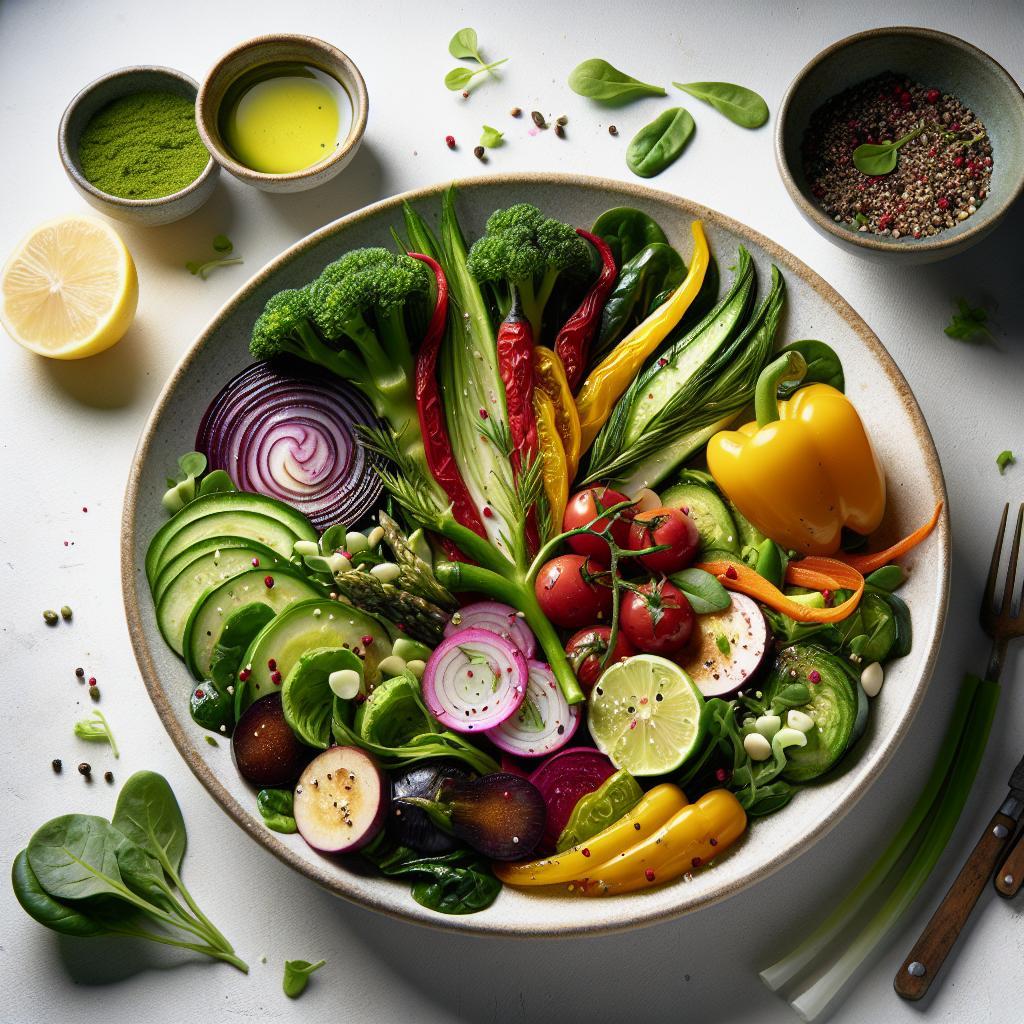
Root-to-stem eating invites us to celebrate the whole vegetable by utilizing every edible part-from the earthy roots to the tender leaves and crisp stems. This technique not only elevates flavor complexity but also builds a strong commitment to sustainability by reducing food waste. One of my favorite ways to embrace this philosophy is by transforming common vegetable parts that are often discarded into vibrant, nutrient-rich dishes that burst with freshness and texture.
Prep and Cook Time
Prep Time: 15 minutes
Cook Time: 30 minutes
Total Time: 45 minutes
Yield
Serves 4 generously as a main course or 6 as a side dish
Difficulty Level
Medium – approachable for home cooks looking to expand their culinary repertoire
Ingredients
- 2 cups carrot tops, washed and roughly chopped
- 1 cup broccoli stems, peeled and diced
- 1 cup beet greens, stems removed and chopped
- 1 large onion, thinly sliced
- 3 cloves garlic, minced
- 2 tbsp olive oil
- 1 cup quinoa, rinsed
- 2 cups vegetable broth
- 1/2 cup toasted walnuts, chopped
- Juice of 1 lemon
- Salt and freshly ground black pepper, to taste
- 1/4 tsp red pepper flakes (optional)
- Fresh herbs (parsley or cilantro) for garnish
Instructions
- Toast the quinoa: In a medium saucepan, warm 1 tablespoon of olive oil over medium heat. Add quinoa and toast for 2-3 minutes until fragrant, stirring to prevent burning.
- Cook quinoa: Pour in vegetable broth and bring to a boil. Reduce to a simmer, cover, and cook for 15 minutes, or until liquid is absorbed and quinoa is fluffy. Remove from heat and fluff with a fork.
- Sauté aromatics and stems: While quinoa cooks, heat remaining olive oil in a large skillet. Add sliced onion and garlic, cooking until translucent and fragrant, about 5 minutes.
- Add broccoli stems: Stir in diced broccoli stems, sauté until tender but still crisp, about 4-5 minutes.
- Incorporate greens: Add carrot tops and beet greens, cooking until wilted and vibrant green, approximately 3 minutes. Season with salt, pepper, and red pepper flakes if using.
- Combine quinoa and greens: Gently fold the cooked quinoa into the skillet mixture, stirring until evenly combined and heated through.
- Finish with zest: Remove from heat and drizzle lemon juice over the dish to brighten flavors. Stir in toasted walnuts for a delightful crunch.
- Garnish and serve: Transfer to a serving bowl and sprinkle with fresh herbs. Serve warm or at room temperature for maximum flavor depth.
Tips for Success
- To vary textures, swap walnuts with toasted pine nuts or pumpkin seeds.
- Feel free to use other root vegetable tops, such as radish or turnip greens, for a seasonal twist.
- Peel fibrous stems gently with a vegetable peeler for a more tender bite.
- Make ahead: This dish keeps well in the fridge for up to 3 days and makes a nourishing lunch or side at a moment’s notice.
Serving Suggestions
Present this full-plant quinoa bowl alongside roasted garlic hummus and crusty sourdough bread for a hearty, balanced meal. For an elegant touch, add a scatter of pomegranate seeds or a dollop of tangy Greek yogurt. A crisp white wine or sparkling water infused with cucumber complements the fresh, earthy notes beautifully.
| Nutrient | Amount per Serving |
|---|---|
| Calories | 320 |
| Protein | 9g |
| Carbohydrates | 40g |
| Fat | 11g |

For further inspiration on reducing kitchen waste and embracing sustainable cooking, visit EPA’s Food Recovery Challenge. Expand your culinary skills with our detailed guide to sustainable vegetable recipes on our site.
Q&A
Q&A: Root-to-Stem Eating – A Fresh Approach to Sustainable Meals
Q1: What exactly is root-to-stem eating?
A1: Root-to-stem eating is a culinary philosophy that encourages using every part of a vegetable-from its roots to its leafy tops-instead of discarding the often overlooked bits. It’s a creative way to minimize food waste and discover new flavors and textures in your meals.
Q2: Why is this approach important for sustainability?
A2: By using the entire vegetable, root-to-stem eating reduces food waste, which is a major contributor to environmental harm. It maximizes the value of each plant, saving resources like water, energy, and labor that go into growing food, thus making meals more eco-friendly and economically sensible.
Q3: Which vegetables are best suited for root-to-stem cooking?
A3: Many vegetables shine in root-to-stem cooking! Think carrots with their green tops, beets and their vibrant leaves, radishes with peppery greens, and even broccoli stems. Each part offers unique flavors-carrot tops have a fresh, parsley-like taste, while beet greens are tender and slightly earthy.
Q4: How do you prepare greens and stems that are usually discarded?
A4: Greens can be sautéed, blended into pesto, tossed into salads, or stirred into soups. Stems can be peeled to remove fibrous layers, then roasted, steamed, or stir-fried. Experimenting with textures and seasoning brings these parts to life in your dishes.
Q5: Can root-to-stem eating be applied beyond vegetables?
A5: Absolutely! The same principle applies root-to-tip for fruits and nose-to-tail for meats. It’s a mindset of respect and creativity, encouraging cooks to reimagine traditional recipes and embrace the entire ingredient for a more sustainable plate.
Q6: What are some beginner-friendly recipes to start root-to-stem eating?
A6: Start simple-carrot top pesto on pasta, beet green sauté with garlic, or broccoli stem slaw with a tangy vinaigrette. These dishes celebrate flavors often tossed away and are surprisingly delicious and easy to make.
Q7: How can root-to-stem eating benefit home cooks beyond sustainability?
A7: Besides reducing waste, this approach sparks creativity, challenges cooking skills, and often leads to discovering new favorite flavors. Plus, it can save money by stretching your groceries further and deepening your connection to the food you eat.
Q8: Where can readers learn more about root-to-stem cooking techniques?
A8: There are numerous cookbooks, blogs, and online communities dedicated to zero-waste and root-to-stem cooking. Local farmers’ markets are also great places to ask for tips on using every part of fresh produce and to find inspiration directly from growers and chefs practicing sustainability.
Embrace the magic beneath the surface and above the soil-root-to-stem eating invites you to rediscover the hidden treasures in every vegetable and nourish yourself while honoring the planet.
To Conclude
Embracing root-to-stem eating invites us to reimagine the way we view food-transforming what was once discarded into delicious possibilities. This holistic approach not only honors the full life of each ingredient but also paves the way toward more sustainable and mindful meals. By turning scraps into scraps of wisdom, we nourish our bodies, reduce waste, and contribute to a healthier planet. So next time you prepare a meal, remember: every peel, stalk, and seed has a story worth savoring. Root-to-stem isn’t just a trend-it’s a fresh mindset that brings us closer to the earth, one bite at a time.