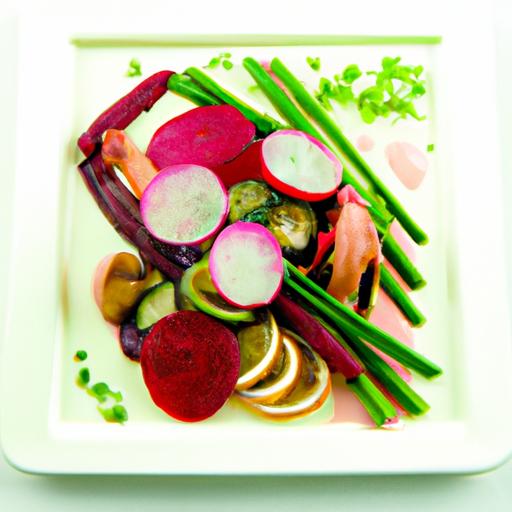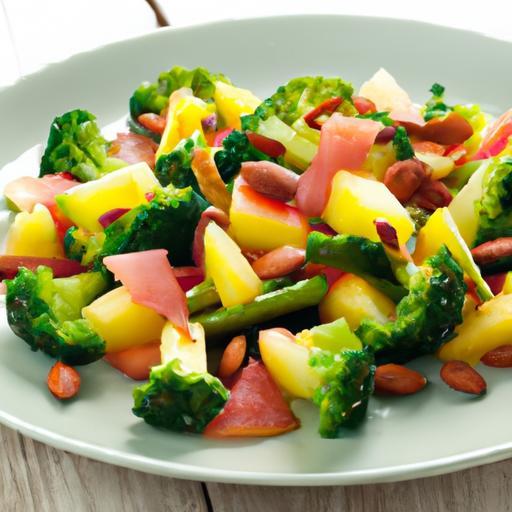

In a world where kids are constantly on the move-zooming through playgrounds, tackling homework, and chasing endless adventures-fueling their bodies with the right nutrients is key. Enter plant protein: a vibrant, versatile powerhouse that’s not only packed with goodness but also bursting with potential to energize growing bodies. “Power Up Kids: Fun Ways to Boost Plant Protein Intake” dives into creative, kid-friendly strategies to sprinkle this super-nutrient into every meal and snack. Get ready to discover how plant-based protein can transform mealtime into an exciting journey of taste, texture, and health-because powering up young bodies should always be as fun as it is nourishing!
Creative Snacks That Sneak in the Greens: Plant-Powered Mini Veggie Pita Pockets
Power Up Kids: Fun Ways to Boost Plant Protein Intake can be as simple as turning everyday veggies into exciting snacks that kids actually crave. These Mini Veggie Pita Pockets are a joyous blend of soft whole wheat pockets stuffed with a creamy chickpea spread and crisp baby spinach, sneaking in plant protein and vibrant greens effortlessly. Inspired by Mediterranean flavors, this fun, handheld snack is perfect for little hands and big imaginations alike.
Prep and Cook Time
- Prep Time: 15 minutes
- Cook Time: 5 minutes
- Total Time: 20 minutes
Yield
- Makes 8 mini pita pockets
Difficulty Level
- Easy
Ingredients
- 1 cup canned chickpeas, drained and rinsed
- 2 tablespoons tahini
- 1 tablespoon lemon juice, freshly squeezed
- 1 small garlic clove, minced
- 1 teaspoon ground cumin
- Salt and pepper, to taste
- 4 whole wheat mini pita pockets, halved
- 1 cup baby spinach leaves, washed and dried
- ½ cup shredded carrots
- ¼ cup finely chopped red bell pepper
- Optional: 2 tablespoons finely chopped fresh parsley
Instructions
- Prepare the chickpea spread: In a food processor or blender, combine the chickpeas, tahini, lemon juice, garlic, and cumin. Blend until smooth and creamy. If the mixture is too thick, add 1-2 teaspoons of water to loosen it. Season with salt and pepper to taste.
- Prep the pita pockets: Gently warm the mini pita halves in a toaster or oven for 1-2 minutes to soften-this makes them easier to fill and more appealing to kids.
- Assemble the pockets: Spread 1 to 2 tablespoons of the chickpea mixture evenly inside each pita half.
- Fill with greens and veggies: Stuff each pocket generously with baby spinach, shredded carrots, red bell pepper, and parsley if using. Press lightly to pack everything in without tearing the pocket.
- Serve immediately: Enjoy as a quick snack or pack for on-the-go playdates. These pockets hold beautifully, and the colors make them a visual treat for kids.
Tips for Success
- Customize the filling: Swap baby spinach for kale or finely shredded cabbage for varied textures and nutrients.
- Make-ahead friendly: Prepare the chickpea spread up to 3 days in advance and store in the refrigerator. Assemble just before serving to keep pitas from getting soggy.
- Boost protein even more: Add finely chopped toasted walnuts or hemp seeds into the spread for an extra nutty crunch.
- For picky eaters: Let kids build their own pockets with the chickpea spread and veggies laid out buffet-style-engagement boosts enthusiasm!
Serving Suggestions
Present these colorful pita pockets on a platter lined with fresh herb sprigs, such as mint or cilantro, for a fragrant pop that elevates the fresh greens. Pair them with a crisp cucumber yogurt dip or a mild salsa for additional layers of flavor and texture. Perfect alongside a glass of homemade fruit-infused water, these snacks brighten any lunchbox or afternoon break.
| Nutrient | Amount per Serving (2 pockets) |
|---|---|
| Calories | 180 |
| Protein | 7g |
| Carbohydrates | 26g |
| Fat | 4g |

By integrating plant proteins creatively into delightful, kid-friendly snacks like these pita pockets, you’re not just feeding hungry tummies-you’re cultivating lifelong positive food experiences. For another fun plant protein recipe tailored for kids, check out our Kid-Friendly Plant Protein Meals. To learn more about the benefits of plant proteins for growing children, explore this resource from the Academy of Nutrition and Dietetics.
Q&A
Q&A: Power Up Kids – Fun Ways to Boost Plant Protein Intake
Q1: Why is plant protein important for kids?
A1: Plant protein fuels growing bodies with vital nutrients like fiber, vitamins, and minerals. Unlike animal proteins, it supports heart health, digestion, and can introduce kids to a vibrant world of flavors and textures. Plus, it’s a planet-friendly choice!
Q2: What are some kid-friendly plant protein powerhouses?
A2: Think colorful beans, lentils, chickpeas, quinoa, tofu, and nut butters! These foods pack a protein punch and can be transformed into fun, tasty dishes that kids actually want to eat.
Q3: How can I sneak more plant protein into my child’s meals without battles?
A3: Make it playful! Use chickpea or black bean brownies for dessert, sprinkle hemp seeds onto smoothies, swirl mashed beans into taco fillings, or create “edamame treasure hunts” in a snack bowl. Kids love surprises and hands-on eating.
Q4: Are there quick and easy plant protein snacks for busy families?
A4: Absolutely! Energy balls made from oats, nut butter, and chia seeds; roasted chickpeas spiced to perfection; trail mixes with pumpkin seeds and dried fruit; or simple peanut butter on whole-grain toast are all speedy protein boosts.
Q5: Can plant proteins provide all the essential amino acids my kids need?
A5: Yes! While some plant proteins may be lower in certain amino acids, combining different sources-like beans with rice or hummus with whole-wheat pita-creates a complete protein profile that supports vibrant growth and development.
Q6: How do I keep things exciting so kids don’t get bored of plant proteins?
A6: Variety is key! Rotate through different grains, legumes, and seeds. Get creative with colorful veggie wraps, protein-rich smoothies, or fun dips. Letting kids help cook and choose recipes also sparks enthusiasm and curiosity.
Q7: What if my child is picky about textures or flavors?
A7: Start with familiar tastes and textures-like creamy peanut butter or mild tofu-and gradually introduce new foods paired with favorite flavors. Blending beans into sauces or baking with chickpea flour can subtly boost protein without overwhelming sensitive palates.
Q8: How can plant protein help my child’s long-term health?
A8: A diet rich in plant protein supports steady energy, strong muscles, and a healthy heart. It may reduce the risk of chronic diseases later in life while encouraging mindful eating habits that children carry into adulthood.
Q9: Are supplements necessary if my child eats mostly plant-based protein?
A9: Most kids can meet their protein needs through varied whole foods. However, if you’re concerned about specific nutrients like B12 or iron, chatting with a pediatrician or dietitian can guide you toward the best choices and any supplementation if needed.
Q10: Where do I start to make plant protein a fun family adventure?
A10: Begin with small, tasty swaps-like adding beans to spaghetti sauce or offering peanut butter banana sandwiches-and invite your kids to help shop and cook. When mealtime becomes a creative and joyful experience, powering up with plant protein becomes second nature!
Wrapping Up
As we’ve discovered, boosting plant protein for kids doesn’t have to be a chore-it can be a joyful exploration of flavors, colors, and textures that fuel their growing bodies and curious minds. By weaving in a colorful tapestry of legumes, nuts, seeds, and whole grains, you’re not just serving meals-you’re planting the seeds for lifelong health and vitality. So, power up those little superheroes with delicious, protein-packed adventures that make every bite a celebration of nourishment and fun. Here’s to happy tummies and thriving kids, one tasty plant-powered bite at a time!