
In a world where wellness trends rise and fall like the tide, one constant remains: the power of protein. For many, dairy has long been a trusted source – but what happens when you want to power up without it? Enter the art of crafting protein-packed dairy-free diets, a vibrant fusion of nutrition and creativity that defies traditional boundaries. Whether you’re lactose-intolerant, vegan, or simply exploring new culinary horizons, embracing dairy-free protein sources opens a treasure trove of possibilities. Join us as we dive into this dynamic dietary landscape, uncovering innovative ingredients and delicious strategies to fuel your body with strength and vitality-no milk required.
Power Up Your Meals with These Protein-Rich Dairy-Free Heroes
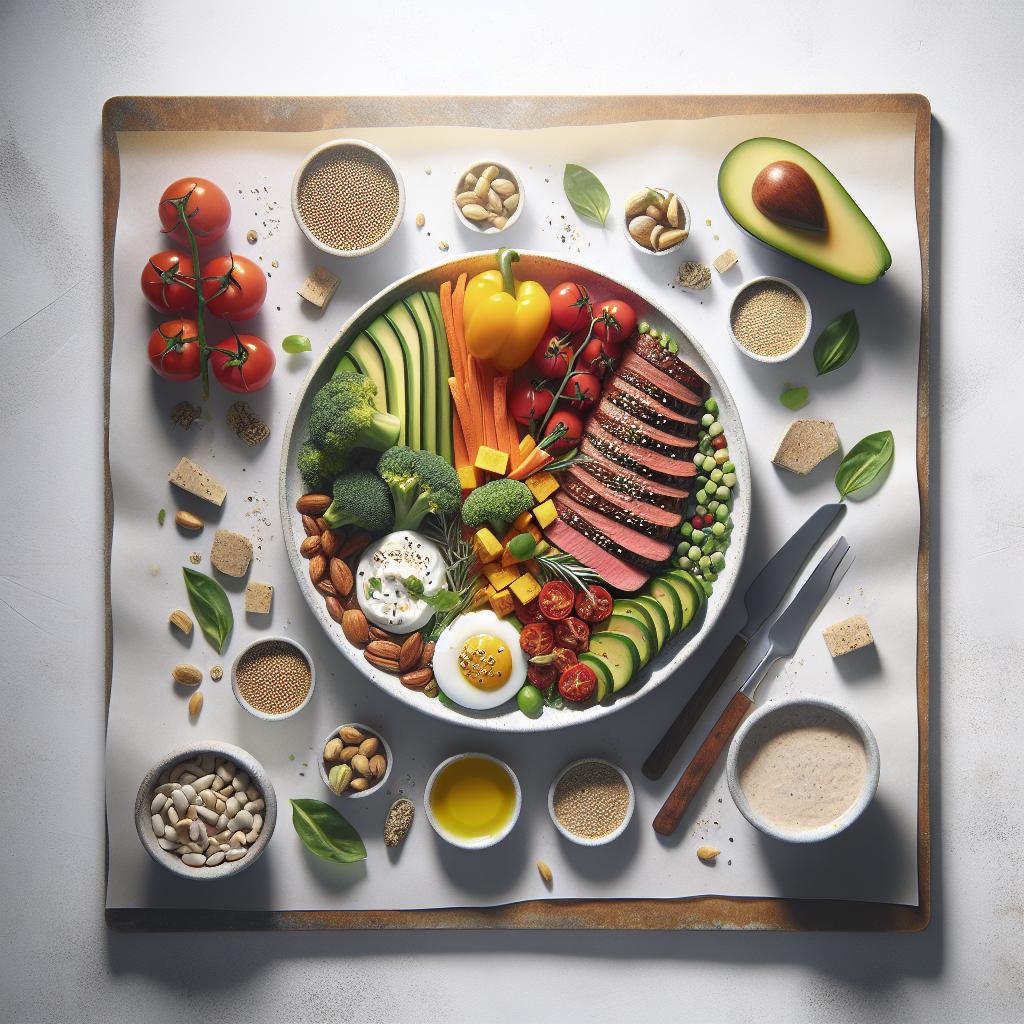
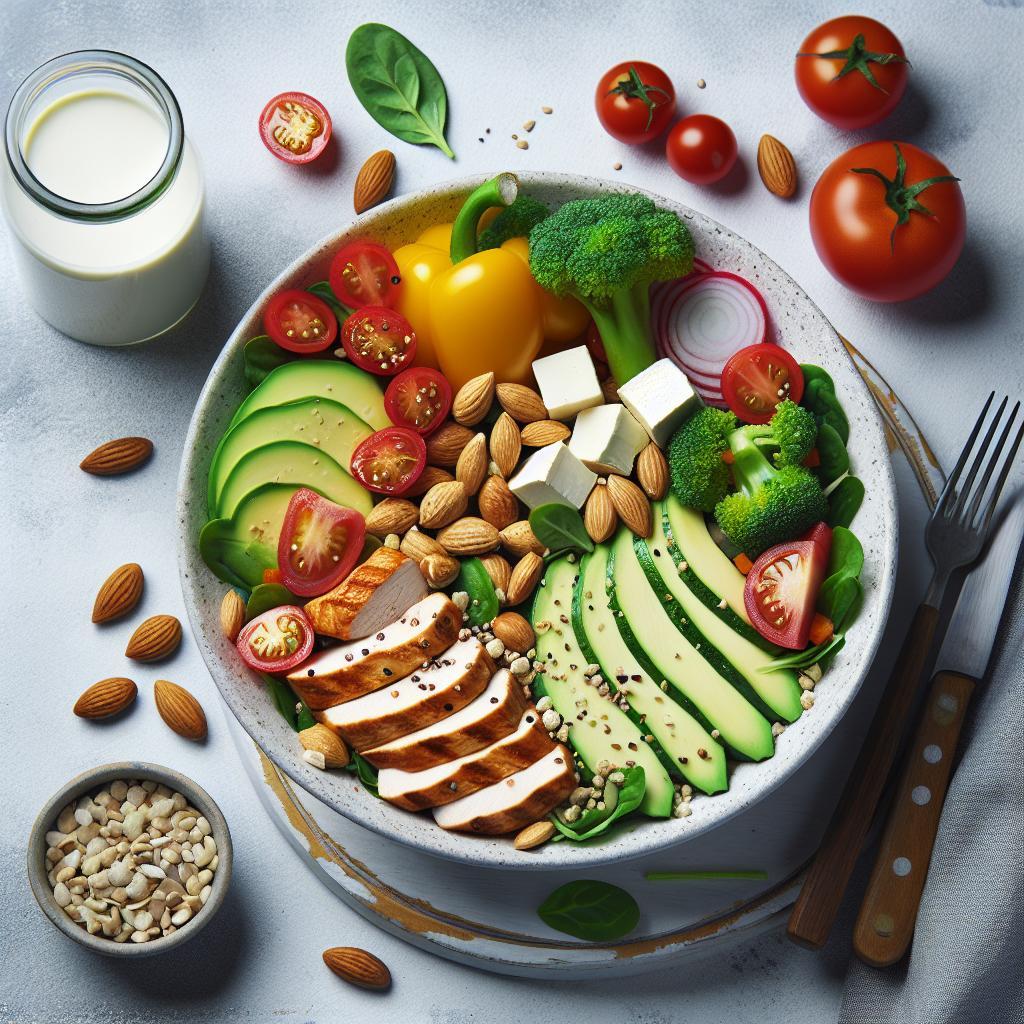
Power Up: Crafting Protein-Packed Dairy-Free Diets starts with discovering nature’s treasure trove of plant-based protein sources. Whether you’re vegan, lactose-intolerant, or simply curious about dairy alternatives, embracing legumes, nuts, seeds, and whole grains can elevate any meal from ordinary to nutrient-dense delight.
Prep and Cook Time
Prep: 15 minutes | Cook: 25 minutes | Total Time: 40 minutes
Yield
Serves 4 hearty portions
Difficulty Level
Medium – Great for cooks ready to balance flavors and textures thoughtfully
Ingredients
- 1 cup cooked quinoa (rinsed and drained)
- 1 cup canned chickpeas (drained and rinsed)
- 1/2 cup shelled edamame (fresh or frozen)
- 1/4 cup raw pumpkin seeds
- 2 tbsp nutritional yeast (adds a cheesy, umami punch)
- 1 medium red bell pepper (diced)
- 1 cup baby spinach (roughly chopped)
- 2 tbsp tahini (for creaminess)
- 1 tbsp lemon juice (freshly squeezed)
- 1 clove garlic (minced)
- 1 tsp smoked paprika
- Salt and cracked black pepper to taste
- 2 tbsp olive oil (plus more for drizzling)
Instructions
- Toast the pumpkin seeds: Heat a dry skillet over medium heat and lightly toast the seeds for 3-4 minutes until they pop and become fragrant. Remove and set aside.
- Sauté the aromatics: In the same skillet, heat 2 tablespoons of olive oil. Add minced garlic and diced red bell pepper. Sauté until softened and slightly caramelized, about 5 minutes, stirring occasionally to avoid burning.
- Add the edamame and spinach: Toss in the shelled edamame and spinach, cooking until the spinach wilts, about 2 minutes.
- Combine base ingredients: In a large bowl, mix together cooked quinoa, chickpeas, and sautéed vegetables.
- Mix dressing: Whisk tahini, lemon juice, nutritional yeast, smoked paprika, salt, and pepper in a small bowl until smooth. Gradually add water a teaspoon at a time if too thick.
- Dress the salad: Pour the tahini dressing over the quinoa mixture. Toss thoroughly to coat every morsel with flavor.
- Finish with crunch: Sprinkle toasted pumpkin seeds on top and serve drizzled with a touch of olive oil for richness.
Tips for Success
- Customize your protein balance by swapping chickpeas with black beans or lentils based on preference and availability.
- Use freshly cooked quinoa rather than pre-packaged flavored ones to keep the dish light and wholesome.
- Make ahead: This salad holds well up to 2 days refrigerated-ideal for meal prep.
- For extra creaminess, blend in 1/4 avocado with the tahini dressing.
- Storage: Keep pumpkin seeds separate until serving to maintain crunchiness.
Serving Suggestions
Present this vibrant, protein-packed salad chilled or at room temperature. Garnish with fresh parsley or cilantro for a pop of color and freshness. Serve as a main dish with warm flatbread, or as a hearty side alongside grilled vegetables or vegan sausages. A drizzle of balsamic glaze can further heighten the flavors.

Nutritional Information
| Nutrient | Per Serving |
|---|---|
| Calories | 350 kcal |
| Protein | 18 g |
| Carbohydrates | 40 g |
| Fat | 11 g |
For more inspiration on dairy-free nutrition, check out our guide to complementary plant proteins. To understand the science behind plant-based proteins, visit Harvard T.H. Chan School of Public Health.
Q&A
Q&A: Power Up – Crafting Protein-Packed Dairy-Free Diets
Q1: Why is protein so important in a dairy-free diet?
A1: Protein is the building block of muscles, skin, and enzymes-and it plays a starring role in keeping you energized and healthy. When you cut out dairy, you lose a common protein source like casein and whey. So, crafting a dairy-free diet packed with protein means finding new champions to fuel your body’s needs without missing a beat.
Q2: What are some top plant-based protein powerhouses to include in dairy-free meals?
A2: Think lentils, chickpeas, quinoa, tofu, tempeh, and edamame-they boast impressive protein punchlines. Nuts and seeds like almonds, chia, and hemp add variety, while seitan brings a meaty texture and protein boost for those who tolerate gluten. Incorporate these into your recipes to keep your meals vibrant and nutrient-rich.
Q3: How can someone ensure they get complete proteins in a dairy-free diet?
A3: Complete proteins contain all nine essential amino acids. While many plant proteins are “incomplete,” combining foods like rice and beans or hummus and whole wheat pita creates a complete amino acid profile. Quinoa and soy are unique as they are complete on their own. Diverse, balanced eating throughout the day is the secret to covering all your bases.
Q4: Are there any convenient, ready-to-eat protein options for busy dairy-free eaters?
A4: Absolutely! Nutritional yeast sprinkled on popcorn or pasta adds a cheesy vibe plus protein. Packets of roasted chickpeas, protein bars made with pea or brown rice protein, and dairy-free yogurt with added plant protein offer quick fixes. Keep these staples handy for your hustle and bustle days.
Q5: What role do fortified dairy-free milks play in protein intake?
A5: Fortified plant milks can augment your protein tally, especially soy and pea milks, which typically rival cow’s milk in protein content. Almond, rice, oat, and coconut milks often have lower protein but make excellent bases for smoothies and cooking. Check labels, because not all plant milks are created equal in protein power.
Q6: Any tips to make protein-packed dairy-free meals more appealing?
A6: Spice is life! Experiment with vibrant herbs and spices, zesty citrus, and umami-rich ingredients like mushrooms and tamari. Texture plays a role too-combine crunchy nuts, creamy avocado, and chewy tempeh for an exciting bite. The goal is to make each meal a feast of flavor and nourishment that you crave.
Q7: Can you suggest a sample protein-packed dairy-free meal?
A7: How about a quinoa and black bean salad sprinkled with toasted pumpkin seeds, diced bell peppers, fresh cilantro, and a lime-tahini dressing? Or a hearty lentil and vegetable stew served with a slice of sprouted grain bread. Both meals deliver protein, fiber, and flavor without a hint of dairy.
Q8: How can dairy-free athletes ensure they meet their increased protein needs?
A8: Athletes should prioritize high-quality plant proteins like soy, pea, and quinoa, and consider timing protein intake around workouts. Smoothies with plant protein powders, nut butters, and fortified milks make recovery tasty and efficient. Don’t forget hydration and balanced carbs to complement protein’s muscle-repair magic.
Crafting a powerful protein-packed dairy-free diet isn’t just possible-it’s a delicious journey into new flavors and nutrition. With strategy and creativity, your body will thank you for every energetic, dairy-free bite!
Final Thoughts
As you embark on your journey to power up with protein-packed, dairy-free diets, remember that the world of plant-based nutrition is as diverse and dynamic as your taste buds allow. From hearty legumes to nutrient-dense nuts and creative alternatives like tofu and tempeh, crafting a balanced, protein-rich plate without dairy is not only achievable-it’s an invitation to explore new flavors and nourish your body in vibrant, sustainable ways. Embrace the challenge, experiment boldly, and watch as your dairy-free diet powers up your health, energy, and culinary creativity all at once. Your protein-packed future starts now.