
In a world where the delicate balance between nature and nourishment grows ever more fragile, the quest to feed tomorrow’s generations has become a defining challenge of our time. “Nourishing Tomorrow: Cultivating Sustainable Food Systems” invites us to reimagine how we grow, share, and consume food-transforming agriculture from a resource-intensive industry into a regenerative force for both people and planet. As global populations rise and climate uncertainties deepen, sustainable food systems emerge not just as a necessity but as a beacon of hope-where innovation meets tradition, equity intersects with ecology, and every seed sown carries the promise of a healthier, more resilient future. Join us as we explore the dynamic pathways to nourishing the world, cultivating abundance that can sustain humanity and the Earth alike.
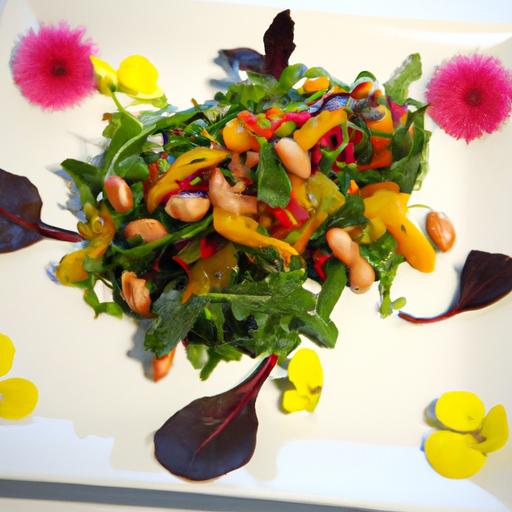
Nourishing Tomorrow: Cultivating Sustainable Food Systems with a Vibrant Green Lentil Salad
Nourishing Tomorrow: Cultivating Sustainable Food Systems begins on our plates, where choices reflect a commitment to health, environment, and community. This vibrant green lentil salad is inspired by global traditions and modern sustainability principles – each ingredient chosen for its ecological impact, nutritional value, and local availability. The salad’s earthy lentils, crisp seasonal veggies, and herbaceous dressing mirror the harmony between agricultural innovation and community empowerment. It’s a dish that honors soil-friendly farming, reduces food miles, and celebrates localized food networks.
Prep and Cook Time
- Preparation: 15 minutes
- Cooking: 25 minutes
- Total: 40 minutes
Yield
Serves 4 as a hearty side or light main
Difficulty Level
Easy
Ingredients
- 1 cup green lentils, rinsed thoroughly
- 3 cups water or low-sodium vegetable broth
- 1 medium cucumber, diced
- 1 cup cherry tomatoes, halved
- 1 small red onion, finely chopped
- 1/2 cup fresh parsley, chopped
- 1/4 cup fresh mint leaves, chopped
- 1/3 cup extra virgin olive oil
- 2 tablespoons fresh lemon juice
- 1 teaspoon Dijon mustard
- 1 garlic clove, minced
- Salt and freshly ground black pepper, to taste
- Optional: 1/4 cup toasted walnuts for crunch
Instructions
- Cook the lentils: In a medium saucepan, combine the rinsed lentils and water or broth. Bring to a boil, then reduce to a simmer and cook uncovered for 20-25 minutes until lentils are tender but not mushy. Drain and let cool.
- Prepare the vegetables: While the lentils cook, dice cucumber, halve cherry tomatoes, finely chop red onion, parsley, and mint. Set aside in a large mixing bowl.
- Whisk the dressing: In a small bowl, whisk together olive oil, lemon juice, Dijon mustard, minced garlic, salt, and pepper until emulsified.
- Combine salad: Add cooled lentils to the vegetable bowl. Pour the dressing over the salad and toss gently to combine, ensuring every bite bursts with flavor.
- Add optional toppings: Sprinkle toasted walnuts on top for an added texture and nutty flavor if desired.
- Chill and serve: Refrigerate for at least 30 minutes before serving to allow flavors to meld beautifully.
Chef’s Notes
- Use local and seasonal produce: This recipe adapts beautifully to what’s fresh – swap cucumber for diced zucchini or add seasonal radishes for a peppery crunch.
- Plant-based protein power: Lentils enrich this salad with protein and fiber, perfect for a sustainable, nutritious meal.
- Make ahead: The salad keeps well refrigerated for 2 days. Dress just before serving if you prefer extra crispness.
- Substitutions: Brown or French green lentils work best. If unavailable, red lentils will turn mushy but still taste great.
- Food security tip: Growing lentils and herbs locally reduces reliance on imports, fostering food sovereignty within communities.
Serving Suggestions
Serve this green lentil salad chilled as a nourishing side dish accompanying grilled vegetables or sustainable fish. For a complete meal, layer on a bed of mixed greens, add a dollop of creamy yogurt or vegan tzatziki, and garnish with lemon wedges. Fresh herb sprigs elevate presentation and invite diners to savor freshness and sustainability in every bite.

| Nutrient | Per Serving |
|---|---|
| Calories | 280 kcal |
| Protein | 18 g |
| Carbohydrates | 35 g |
| Fat | 10 g |
Embrace the future of food by cooking sustainably with this accessible and wholesome green lentil salad. For more sustainable recipes and insights, explore our Sustainable Kitchen Innovations and visit FAO’s sustainability guidelines for expert perspectives on cultivating greener food systems.
Q&A
Q&A: Nourishing Tomorrow – Cultivating Sustainable Food Systems
Q1: What does “Nourishing Tomorrow” mean in the context of food systems?
A: “Nourishing Tomorrow” is more than a phrase-it’s a commitment. It embodies the idea that how we produce, distribute, and consume food today shapes the health of our planet and future generations. It’s about innovating and embracing sustainable practices that ensure everyone can enjoy nutritious food without depleting resources or harming ecosystems.
Q2: Why is cultivating sustainable food systems crucial now?
A: Our current food systems contribute significantly to environmental challenges like climate change, deforestation, and biodiversity loss. Coupled with rising populations and shifting diets, the pressure on land, water, and energy is intense. Sustainable food systems are essential to reverse damage, reduce waste, and create resilient networks that feed people and protect the planet simultaneously.
Q3: What are some examples of sustainable food practices?
A: Sustainable practices range from regenerative agriculture, which rebuilds soil health, to reducing food waste through smarter supply chains. Others include supporting local farmers’ markets, embracing plant-based diets, integrating agroforestry (growing trees alongside crops), and adopting technology that minimizes resource use. Each step helps close the loop toward a more balanced and equitable food future.
Q4: How can consumers contribute to this vision?
A: Consumers hold powerful influence! Choosing seasonal and locally sourced products, reducing meat consumption, avoiding single-use packaging, and supporting brands committed to ethical sourcing all make an impact. Awareness is key-understanding where our food comes from and its environmental footprint helps shape demand for more sustainable options.
Q5: What role do policymakers and corporations play in cultivating sustainable food systems?
A: Governments and businesses are vital architects of change. Policy can incentivize sustainable farming, regulate harmful practices, and invest in research. Corporations can innovate supply chains, prioritize transparency, and embed sustainability into their core strategies. Collaboration across sectors creates the framework needed for systemic transformation.
Q6: What challenges must be overcome to establish sustainable food systems globally?
A: Challenges include economic inequalities that limit access to sustainable resources, entrenched industrial agriculture practices, climate unpredictability, and the complexity of global supply chains. Overcoming these requires holistic strategies that address social justice, technological innovation, education, and international cooperation.
Q7: How does “Nourishing Tomorrow” connect with climate change efforts?
A: Food systems are both a driver and a victim of climate change. Sustainable food production reduces greenhouse gas emissions, improves carbon sequestration, and builds resilience against extreme weather. By aligning food system reform with climate goals, we can create synergistic solutions that safeguard both food security and the environment.
This Q&A navigates the core ideas of “Nourishing Tomorrow: Cultivating Sustainable Food Systems,” inviting readers to reflect on how every meal holds the power to inspire a greener, healthier planet for decades ahead.
Closing Remarks
As we stand at the crossroads of innovation and tradition, the path to nourishing tomorrow is clear: sustainable food systems are not just a choice, but a necessity. By embracing practices that honor the earth, empower communities, and innovate responsibly, we sow the seeds for a future where food security and environmental harmony coexist. The journey toward sustainable abundance invites us all to be stewards of the land, champions of equity, and architects of resilience. Together, we can cultivate a world where every meal tells a story of care, connection, and conscious growth-ensuring that the harvest of today nourishes generations to come.