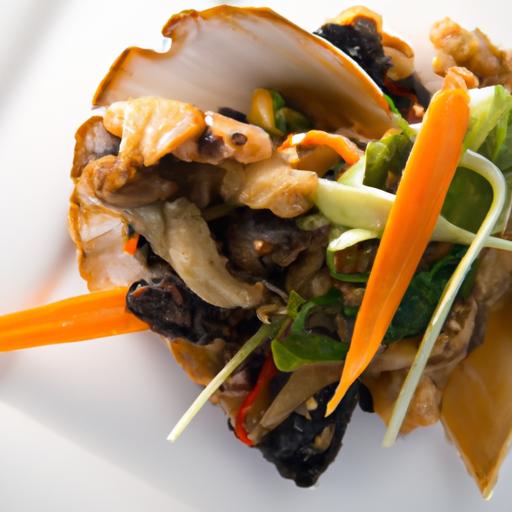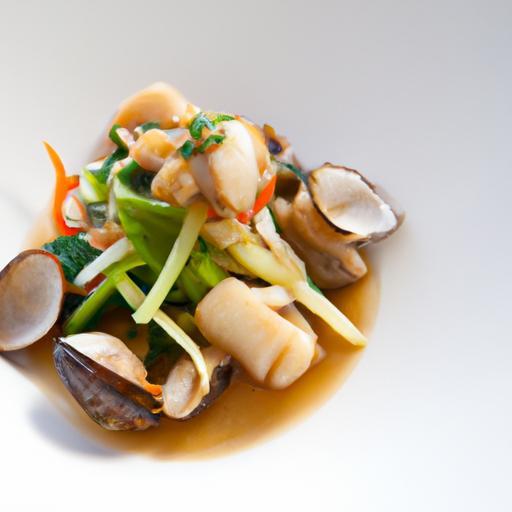

In the vast and vibrant world of sustainable seafood, the humble whelk is making waves as an unexpected culinary star. Often overlooked and underestimated, this sea snail holds a treasure trove of flavors when treated with care and creativity. Enter the nose-to-tail whelk stir fry-a dish that celebrates every part of this ocean dweller, turning what might seem like a simple shellfish into a gourmet experience that’s as eco-conscious as it is delicious. In this article, we dive deep into the art of maximizing the whelk’s potential, exploring how thoughtful cooking not only delights the palate but also honors the principles of sustainability, reducing waste and championing mindful consumption. Join us on this journey from shell to skillet, and discover how a sustainable sea treat can transform your kitchen and your conscience.
Nose-to-tail whelk stir fry is an exhilarating way to celebrate the ocean’s bounty while honoring sustainable seafood practices. This dish transforms delicate whelk meat into a vibrant, flavorful stir fry, utilizing every strand of its tender texture and unlocking unique nutritional benefits. Drawing inspiration from coastal culinary traditions, this recipe brings life to the concept of waste-free cooking-preserving the environment one savory bite at a time.
Prep and Cook Time
Preparation: 20 minutes
Cooking: 10 minutes
Total Time: 30 minutes
Yield
Serves: 4
Difficulty Level
Medium
Ingredients
- 500g fresh whelk meat, cleaned and sliced thinly
- 2 tbsp vegetable oil (preferably grapeseed or canola)
- 1 red bell pepper, julienned
- 1 medium carrot, julienned
- 3 garlic cloves, minced
- 1-inch piece fresh ginger, grated
- 3 spring onions, sliced diagonally
- 2 tbsp soy sauce, low sodium
- 1 tbsp oyster sauce
- 1 tsp toasted sesame oil
- ¼ tsp crushed red pepper flakes (optional for heat)
- 1 tbsp rice wine vinegar
- Salt and freshly ground black pepper, to taste
- Fresh cilantro and lime wedges for garnish
- Steamed jasmine rice or soba noodles, to serve
Instructions
- Prepare the whelk: Rinse the whelk meat under cold water, pat dry with paper towels, and slice thinly to ensure quick, even cooking.
- Heat oil in a large wok or non-stick skillet over medium-high heat. Add minced garlic and grated ginger; sauté until fragrant, about 1 minute, stirring constantly to avoid burning.
- Add vegetables: Toss in the julienned bell pepper and carrot. Stir-fry for 3-4 minutes until they soften but retain vibrant color and crunch.
- Cook the whelk: Increase the heat to high and add the sliced whelk meat to the wok. Stir-fry rapidly to prevent toughening, about 2-3 minutes until just opaque and tender.
- Flavor infusion: Pour in soy sauce, oyster sauce, rice wine vinegar, and sprinkle red pepper flakes if using. Toss everything thoroughly to coat the ingredients evenly and develop layered flavors.
- Finish with aromatics: Stir in sliced spring onions and drizzle toasted sesame oil. Adjust seasoning with salt and freshly ground black pepper as needed.
- Rest and serve: Remove from heat. Transfer to a serving platter, garnish with fresh cilantro and lime wedges for a zesty lift.
- Accompany: Serve hot over steamed jasmine rice or alongside aromatic soba noodles for a complete meal.
Tips for Success
- Whelk texture: Avoid overcooking as whelk can become rubbery. Quick, high-heat stir frying is key to preserving tenderness.
- Ingredient swaps: Substitute oyster sauce with mushroom sauce for a vegetarian-friendly alternative or use tamari for gluten-free.
- Prepping ahead: Clean and slice whelk meat a day in advance and store in the fridge to save time on busy nights.
- Elevate flavor: Add a handful of chopped roasted peanuts or cashews for crunch and a fresh squeeze of lime just before serving.
- Visual appeal: Use a variety of colorful vegetables like yellow squash or snap peas to enliven the dish even more.
Serving Suggestions
Plate this delightful stir fry in a deep bowl, layering it atop steaming jasmine rice to soak up every drop of sauce. Garnish generously with bright cilantro sprigs and wedge fresh lime slices around the rim for additional zest. For an elegant touch, sprinkle thinly sliced red chili or toasted sesame seeds over the top. Pair with a chilled glass of crisp white wine, like a Sauvignon Blanc, to complement the oceanic flavors. This dish shines as a main course but also pairs beautifully with light vegetable sides such as steamed bok choy or cucumber salad for balance.
| Nutrient | Per Serving |
|---|---|
| Calories | 220 kcal |
| Protein | 28 g |
| Carbohydrates | 12 g |
| Fat | 6 g |

For those intrigued by sustainable cooking, explore further techniques in our Sustainable Seafood Recipes collection. To deepen your understanding of whelk’s ocean-friendly benefits, visit NOAA’s Sustainable Fisheries Program.
Q&A
Q&A: Nose-to-Tail Whelk Stir Fry – A Sustainable Sea Treat
Q1: What exactly is “nose-to-tail” when it comes to whelks?
A: “Nose-to-tail” originally described using every part of an animal to reduce waste. For whelks, it means fully embracing the entire sea snail-from the muscular foot to any edible innards-turning what’s often discarded into a delicious, sustainable feast.
Q2: Why choose whelks for a sustainable seafood dish?
A: Whelks are abundant in many coastal waters and reproduce quickly, making them a low-impact seafood choice. Harvesting whelks responsibly supports ocean health and local fisheries, all while minimizing ecological footprints.
Q3: How does a stir fry enhance the flavors of whelk?
A: Stir frying is a lively, high-heat technique that unlocks whelk’s tender, subtly briny flavor. Paired with crisp veggies and aromatic spices, it creates a vibrant, quick-cooked dish that keeps textures and freshness front and center.
Q4: Are there any special preparations needed for whelk before cooking?
A: Yes! Whelks need to be thoroughly cleaned and boiled first to tenderize their firm texture. Removing the operculum (the little “trap door” shell) and slicing the meat into bite-sized pieces helps the stir fry cook evenly.
Q5: What vegetables and seasonings pair best in a nose-to-tail whelk stir fry?
A: Think colorful bell peppers, crunchy snow peas, and garlic-infused ginger for zing. Light soy sauce, a splash of rice wine vinegar, and fresh herbs like cilantro or green onions round out the dish with layers of umami and brightness.
Q6: Can cooking whelks nose-to-tail really make a difference for sustainability?
A: Absolutely. Using the entire whelk reduces food waste dramatically and honors the sea’s bounty. This mindful approach not only benefits the environment but also sparks creativity and respect in the kitchen.
Q7: Is nose-to-tail whelk cooking accessible for home cooks?
A: Definitely! While it may sound adventurous, the process is straightforward. With a few kitchen basics and fresh ingredients, anyone can embark on this sustainable sea treat journey and impress friends with a novel, eco-friendly dish.
Q8: Any tips to elevate the experience of a whelk stir fry?
A: Serve it over fragrant jasmine rice or buttery noodles to soak up the sauce. Pair with a crisp, cold white wine or a citrusy beer to balance the meal’s savory depth. Most importantly, savor the satisfaction of a meal that’s good for your palate and the planet.
In Conclusion
Embracing the art of nose-to-tail cooking with whelks invites us to rethink our relationship with seafood-wasting less while savoring more. This sustainable sea treat not only honors every inch of the whelk but also celebrates the rich flavors and textures often overlooked. By turning humble whelks into a vibrant stir fry, we craft dishes that nourish bodies and respect ocean resources alike. So next time you reach for seafood, remember: true culinary creativity lies in making the most of every morsel, transforming sustainability from a concept into a delicious reality on your plate.