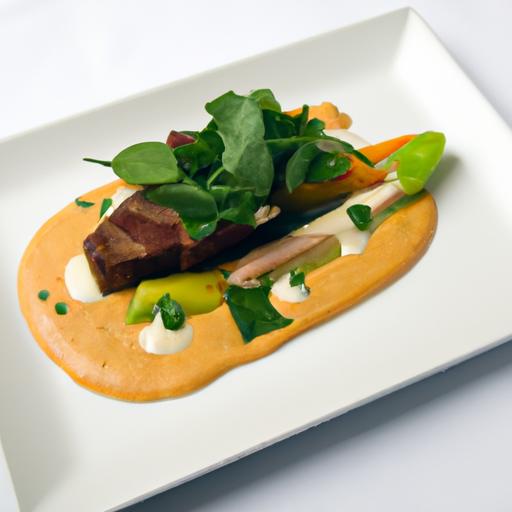

In a world racing towards sustainability, the kitchen may hold one of the most potent-and overlooked-tools for reducing our carbon footprint. Enter the art of “nose to tail” cooking: a culinary philosophy that champions the use of the entire animal, transforming often-discarded cuts into flavorful dishes that honor both tradition and the environment. By embracing whole-animal cuts, we not only unlock rich, diverse flavors but also slash emissions associated with meat production, minimizing waste and maximizing value. This approach invites us to rethink our eating habits, turning every part of the animal into a sustainable ingredient on our plates and paving the way for a greener future, one bite at a time.
Unlocking Flavor and Nutrition Through Whole-Animal Cuts
Nose to Tail: Slashing Emissions with Whole-Animal Cuts begins with understanding the incredible depths of flavor and nutrition hidden in cuts that often go overlooked. Embracing the full spectrum of the animal not only celebrates traditional cooking wisdom but also enhances sustainability by reducing waste and carbon emissions. This recipe for Slow-Braised Beef Cheeks embodies this philosophy-transforming a humble, collagen-rich cut into a tender, mouthwatering experience.
Prep and Cook Time
- Preparation: 20 minutes
- Cooking: 3 hours 30 minutes
- Total Time: 3 hours 50 minutes
Yield
- Serves: 4 hearty portions
Difficulty Level
- Medium – Ideal for home cooks ready to explore offal and less common cuts
Ingredients
- 2 pounds beef cheeks, trimmed of excess fat
- 2 tablespoons olive oil
- 1 large onion, diced finely
- 3 cloves garlic, minced
- 2 carrots, peeled and chopped
- 2 celery stalks, chopped
- 1 cup dry red wine (such as Cabernet Sauvignon)
- 2 cups beef broth, preferably homemade or low sodium
- 1 sprig fresh rosemary
- 2 sprigs fresh thyme
- 1 bay leaf
- Salt and freshly ground black pepper, to taste
- 2 tablespoons tomato paste
- 1 tablespoon balsamic vinegar
Instructions
- Pat dry the beef cheeks using paper towels. Season generously with salt and pepper. This step ensures a flavorful crust.
- Heat olive oil in a heavy-bottomed Dutch oven over medium-high heat. Sear beef cheeks until deeply browned on all sides, about 4 minutes per side. Remove and set aside.
- Reduce heat to medium, then add diced onion, carrots, and celery. Sauté until softened and golden, approximately 7-8 minutes. Stir occasionally to avoid burning.
- Add minced garlic and tomato paste. Cook for 1 minute more, stirring to coat the vegetables thoroughly.
- Pour in the red wine, scraping the bottom of the pot to release all the browned bits-this builds complex flavor layers. Simmer until wine is reduced by half, about 10 minutes.
- Return beef cheeks to the pot. Add beef broth, rosemary, thyme, and bay leaf. Bring liquid to a gentle simmer.
- Cover with a tight-fitting lid and transfer to a preheated oven at 300°F (150°C). Braise for 3 hours, or until cheeks are fork-tender and falling apart.
- Remove pot from oven. Discard herb sprigs and bay leaf. Gently stir in balsamic vinegar to balance richness. Adjust seasoning with salt and pepper as needed.
- Serve hot over creamy mashed potatoes, polenta, or buttered noodles for an unforgettable meal.
Chef’s Notes
- Variation: Swap beef cheeks for pork shoulder or lamb neck if preferred, adjusting cooking time accordingly.
- Make-Ahead: This dish improves when made a day ahead; flavors deepen as it rests refrigerated. Reheat gently over low heat.
- Substitutions: Use vegetable broth to make a delicious braise suitable for dietary preferences.
- Tip: For extra richness, add a knob of butter at the end of cooking and swirl it into the sauce.
- Troubleshooting: If cheeks aren’t tender after 3 hours, continue braising-collagen-rich cuts benefit from slow, low heat.
Serving Suggestions
Plate the succulent beef cheeks atop velvety mashed potatoes or rustic polenta, spooning luscious braising liquid as a sauce. Garnish with freshly chopped parsley or microgreens for a pop of color and freshness. Pair with a glass of the red wine used in cooking to elevate the dining experience. For added texture, serve with roasted root vegetables or a crisp green salad dressed in lemon vinaigrette.
| Nutritional Information (per serving) | Calories | Protein | Carbs | Fat |
|---|---|---|---|---|
| Slow-Braised Beef Cheeks | 450 kcal | 48 g | 12 g | 18 g |

Explore more about sustainable cooking techniques and dive deeper into reducing waste in your kitchen. For detailed environmental benefits of whole-animal usage, refer to resources by the Food and Agriculture Organization of the United Nations.
Q&A
Q&A: Nose to Tail – Slashing Emissions with Whole-Animal Cuts
Q1: What does “Nose to Tail” mean in the context of meat consumption?
A1: “Nose to Tail” refers to the culinary and ethical practice of utilizing the entire animal-from its snout down to its tail-in cooking and eating. Instead of wasting parts that are traditionally discarded, this approach cherishes every muscle, organ, and bone, reducing food waste and honoring the animal’s life.
Q2: How does adopting a Nose to Tail approach contribute to lowering carbon emissions?
A2: By utilizing the whole animal, less meat goes to waste. This efficiency means fewer animals need to be raised, which directly reduces methane emissions from livestock farming-a major greenhouse gas contributor. It also lessens the environmental footprint associated with feed, water, and land use tied to animal agriculture.
Q3: Is Nose to Tail eating just a trendy culinary fad, or does it have deeper environmental significance?
A3: While it has gained popularity among chefs and foodies, Nose to Tail eating is rooted in tradition and sustainability. Historically, many cultures practiced whole-animal cooking out of necessity. Today, it carries a powerful environmental message: thoughtful consumption can drastically curtail the meat industry’s impact on climate change.
Q4: What kinds of cuts and parts are included in the Nose to Tail philosophy?
A4: Everything! Think beyond the usual steaks and roasts-this means offal like liver, kidneys, hearts, and brains, as well as less celebrated cuts such as cheeks, oxtails, feet, and even bones for broths. Each part offers unique flavors and nutrition, inviting creativity in the kitchen.
Q5: Can Nose to Tail eating be made accessible for everyday home cooks?
A5: Absolutely. With accessible recipes, tutorials, and some culinary curiosity, home cooks can integrate whole-animal cuts into their meals. Many farmers’ markets and specialty butchers now provide these cuts, often at lower prices. Even simple stews, sausages, and bone broths are excellent starting points.
Q6: How significant is the impact of whole-animal consumption on global emissions?
A6: While it’s not a panacea, Nose to Tail eating can contribute significantly to emission reductions when scaled. The livestock sector accounts for about 14.5% of global greenhouse gases; reducing demand for prime cuts by utilizing the whole animal means fewer animals raised, mitigating methane, water use, and deforestation impacts.
Q7: What challenges face widespread adoption of Nose to Tail practices?
A7: Cultural preferences and unfamiliarity with offal or unconventional cuts can pose barriers. Additionally, supermarkets and supply chains often prioritize popular cuts, limiting availability. Overcoming misconceptions about taste and texture and providing education are essential steps to normalization.
Q8: In sum, why should consumers consider embracing Nose to Tail eating?
A8: Because it’s a delicious, ethical, and impactful way to enjoy meat responsibly. It honors animal life, stretches culinary horizons, reduces waste, and plays a part in the global effort to slash emissions. In a world hungry for sustainable solutions, Nose to Tail offers a meaningful bite-sized contribution.
Closing Remarks
Embracing the nose-to-tail approach is more than a culinary trend-it’s a powerful step toward reimagining our relationship with food and the environment. By honoring the entire animal, we reduce waste, unlock new flavors, and carve out a meaningful path to slash emissions. In a world hungry for sustainable solutions, whole-animal cuts remind us that every bite can be a catalyst for change, turning mindful eating into a ripple that extends far beyond the plate. The future of food is nose to tail-and it’s tasting better than ever.