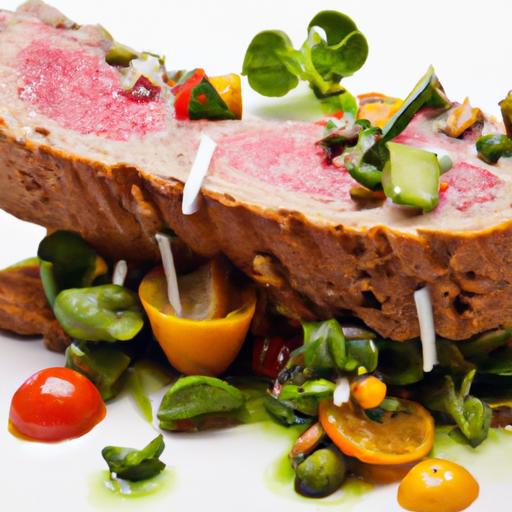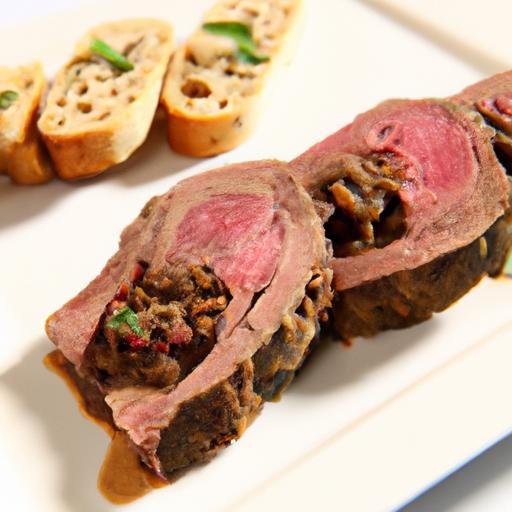

In the world of culinary artistry, few experiences are as rich and rewarding as embracing the whole animal, celebrating every morsel from nose to tail. Enter the humble lamb dripping toast-a dish that transforms simple ingredients into a symphony of indulgent flavors. This savory creation harks back to a time when nothing was wasted, and the essence of lamb was captured in every crispy, golden bite. Join us on a savory culinary journey as we explore the history, technique, and irresistible appeal of nose-to-tail lamb dripping toast, a dish that honors tradition while delighting modern palates.
Nose-to-tail lamb dripping toast unlocks a rich tapestry of savory flavors and traditional cooking wisdom cherished across generations. This dish honors the philosophy of using every part of the lamb, transforming humble lamb dripping-rendered from carefully skimmed fat and pan drippings-into a luscious, golden spread that perfectly enrobes crispy toast. Drawing on the heritage of resourcefulness and flavor maximization, this recipe will transport you to rustic kitchens where nothing was wasted, but everything was elevated to culinary brilliance.
Prep and Cook Time
- Preparation: 20 minutes
- Cooking: 40 minutes
- Total: 1 hour
Yield
Serves 4 generous portions
Difficulty Level
Medium – requires some skill in rendering lamb dripping and mastering texture contrasts
Ingredients
- 200g lamb fat trimmings (ask your butcher for trimmed fat, preferably from shoulder or neck)
- 150g lamb meat scraps (optional, finely chopped for added umami)
- 4 slices thick-cut artisanal bread (sourdough or rustic country loaf recommended)
- 1 small white onion, finely diced
- 2 cloves garlic, minced
- 1 sprig fresh rosemary
- 1 tablespoon apple cider vinegar
- Sea salt and cracked black pepper to taste
- 1 teaspoon smoked paprika (optional for depth)
- Fresh parsley, finely chopped for garnish
Instructions
- Render the lamb dripping: In a cold saucepan, place the lamb fat trimmings and heat gently over low flame. Stir occasionally, allowing the fat to melt slowly without burning. This slow-rendering process extracts a clean, silky dripping rich with flavor. It should take around 30 minutes. Use a fine mesh sieve to strain excess solids once liquid and golden.
- Sauté aromatics: In a separate pan, add a tablespoon of the rendered lamb dripping and sauté the diced onion and garlic until soft and translucent, about 5 minutes. Add the finely chopped lamb meat scraps if using, and cook until browned but tender.
- Combine and season: Pour the rendered dripping back into the pan with the aromatics and meat. Stir in rosemary, apple cider vinegar, smoked paprika, salt, and pepper. Cook gently for another 5 minutes to marry the flavors.
- Prepare the toast: Meanwhile, toast your slices of bread to a golden, crispy finish. For an ultra-crisp texture, toast under a broiler or in a hot dry pan until the edges are caramelized but the inside still has bite.
- Assemble the dish: Generously spread the lamb dripping mixture over each slice of toast while it’s warm, allowing the drippings to melt into the crispy surface.
- Garnish and serve: Sprinkle freshly chopped parsley and an extra twist of cracked black pepper on top. Serve immediately to enjoy the contrast of crisp bread and luscious, savory dripping.
Tips for Success
- Make sure to render the fat slowly on low heat-rushing this step risks burnt flavors and grainy texture.
- Use a bread with a sturdy crumb such as sourdough to hold up under the rich dripping without becoming soggy.
- For a smoky touch, substitute smoked sea salt or add a few drops of liquid smoke.
- Leftover dripping can be stored refrigerated in a sealed jar and repurposed to enhance roasted vegetables or fried eggs.
- To make this dish fully nose-to-tail, incorporate finely chopped lamb offal (such as liver or kidney) in the mix, ensuring even richer flavor layers.
Serving Suggestions
This nose-to-tail lamb dripping toast shines splendidly as an indulgent appetizer or a rustic brunch centerpiece. Serve alongside lightly dressed peppery watercress or a crisp endive salad to offset the rich dripping with freshness. A dollop of tangy minted yogurt adds brightness and elevation. Consider pairing with a robust red wine such as a young Syrah or a smoky Islay whisky to complement the earthy lamb essence.

| Nutrient | Per Serving |
|---|---|
| Calories | 420 kcal |
| Protein | 15g |
| Carbohydrates | 35g |
| Fat | 25g |
Expand your nose-to-tail cooking skills further by exploring our detailed guide on braised lamb shanks, another exquisite way to honor every cut. For more background on sustainable and flavorful cooking methods, visit Slow Food International.
Q&A
Q&A: Exploring the Savory Art of Nose-to-Tail Lamb Dripping Toast
Q1: What exactly is “Nose-to-Tail Lamb Dripping Toast”?
A1: Nose-to-Tail Lamb Dripping Toast is a culinary creation that celebrates the full spectrum of the lamb’s flavors and textures. It involves using the rich, flavorful fat-known as dripping-from the entire lamb carcass, rendered and spread atop toasted bread. This practice honors the nose-to-tail philosophy, embracing every part of the animal to minimize waste and maximize taste.
Q2: Why is the nose-to-tail approach important in cooking lamb?
A2: The nose-to-tail approach is about respecting the animal by using every edible part, not just the prime cuts. This method enhances sustainability and encourages inventive cooking, as it highlights lesser-known cuts and traditional techniques. For lamb, this means unlocking deep, complex flavors from cuts like the kidneys, heart, or marrow that might otherwise be overlooked.
Q3: How does lamb dripping differ from other animal fats?
A3: Lamb dripping possesses a distinct, robust flavor that reflects the unique character of the animal and its diet. Compared to more neutral fats like chicken fat or beef tallow, lamb dripping has a gamier, earthier profile that lends a soulful depth when rendered properly. It serves as a sumptuous base for cooking or a decadent spread when paired with toasted bread.
Q4: What makes lamb dripping toast such a beloved dish?
A4: Lamb dripping toast is beloved for its simplicity and indulgence. The crispy, golden toast acts as a perfect canvas for the silky, savory lamb fat, creating a delightful contrast of textures and flavors. It’s a humble dish that speaks to culinary tradition, comfort food, and the richness of resourceful cooking.
Q5: Can nose-to-tail cooking with lamb dripping be adapted for modern palates?
A5: Absolutely! Contemporary chefs often infuse lamb dripping toast with vibrant herbs, pickled vegetables, or spicy accents to balance its richness and add brightness. By creatively pairing traditional ingredients with modern techniques, nose-to-tail lamb dishes can be both nostalgic and fresh, appealing to adventurous food lovers and those seeking grounded, authentic tastes.
Q6: What are some tips for preparing perfect lamb dripping toast at home?
A6: To achieve the perfect lamb dripping toast, start by carefully rendering the lamb fat over low heat to preserve its delicate flavors without burning. Choose rustic, sturdy bread that can hold up to the rich spread. Toast it until crisp but not charred, then generously slather with warm dripping. For an extra touch, sprinkle flaky sea salt, a grind of black pepper, or fresh rosemary to heighten the sensory experience.
Q7: How does this dish connect to culinary heritage and sustainability?
A7: Lamb dripping toast is a delicious nod to a time when nothing was wasted, and every bite was part of the whole animal’s story. By embracing nose-to-tail eating, this dish fosters respect for traditional cooking wisdom and sustainable practices, reminding us that food is as much about ethics and history as it is about flavor and indulgence.
Key Takeaways
As we close the chapter on this savory exploration, the humble nose-to-tail approach reminds us that every morsel of the lamb holds a story-rich in history, flavor, and sustainability. The dripping toast, crisped to perfection, serves not just as a vessel but as a celebration of resourcefulness and culinary artistry. Embracing the whole animal isn’t merely a trend; it’s a tribute to tradition and a gateway to bold, unforgettable tastes. So next time you savor that golden slice, remember you’re partaking in a time-honored journey-one where nose-to-tail eating transforms simple ingredients into extraordinary experiences.