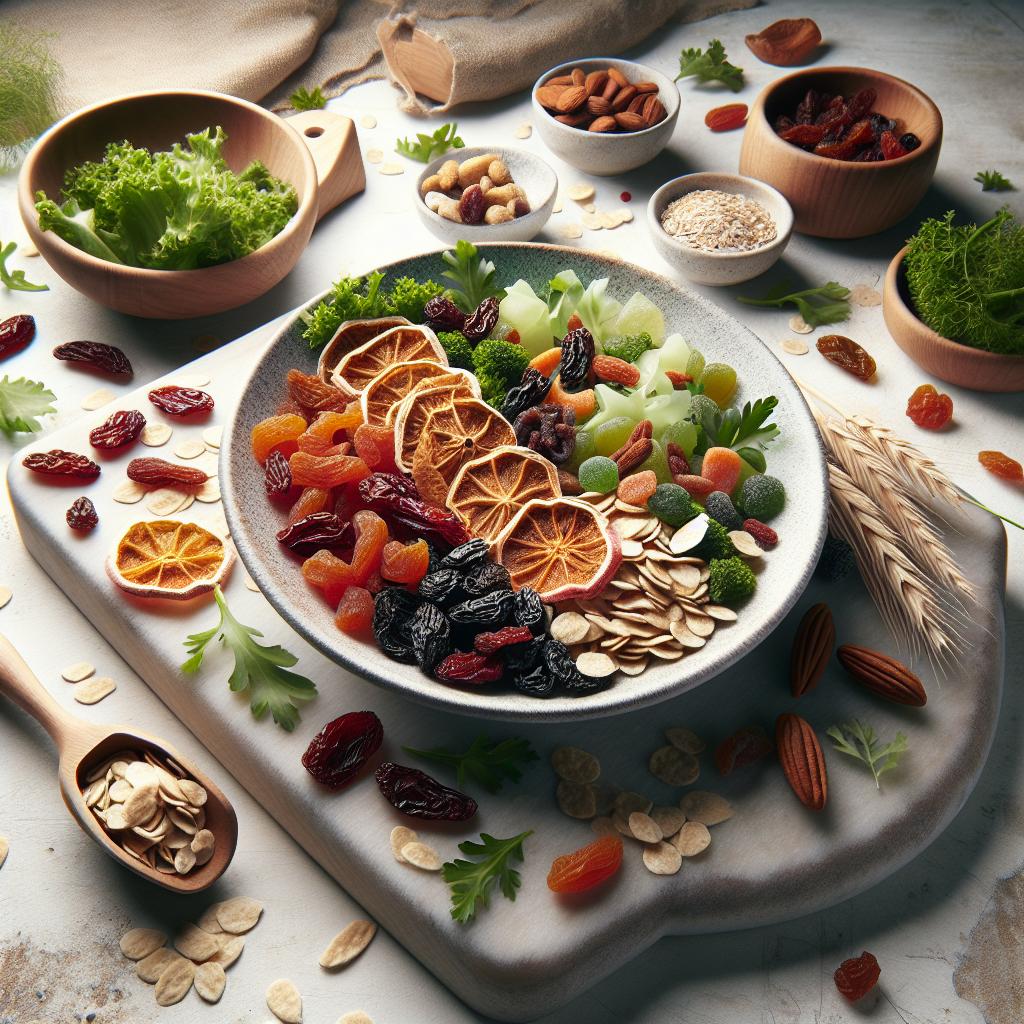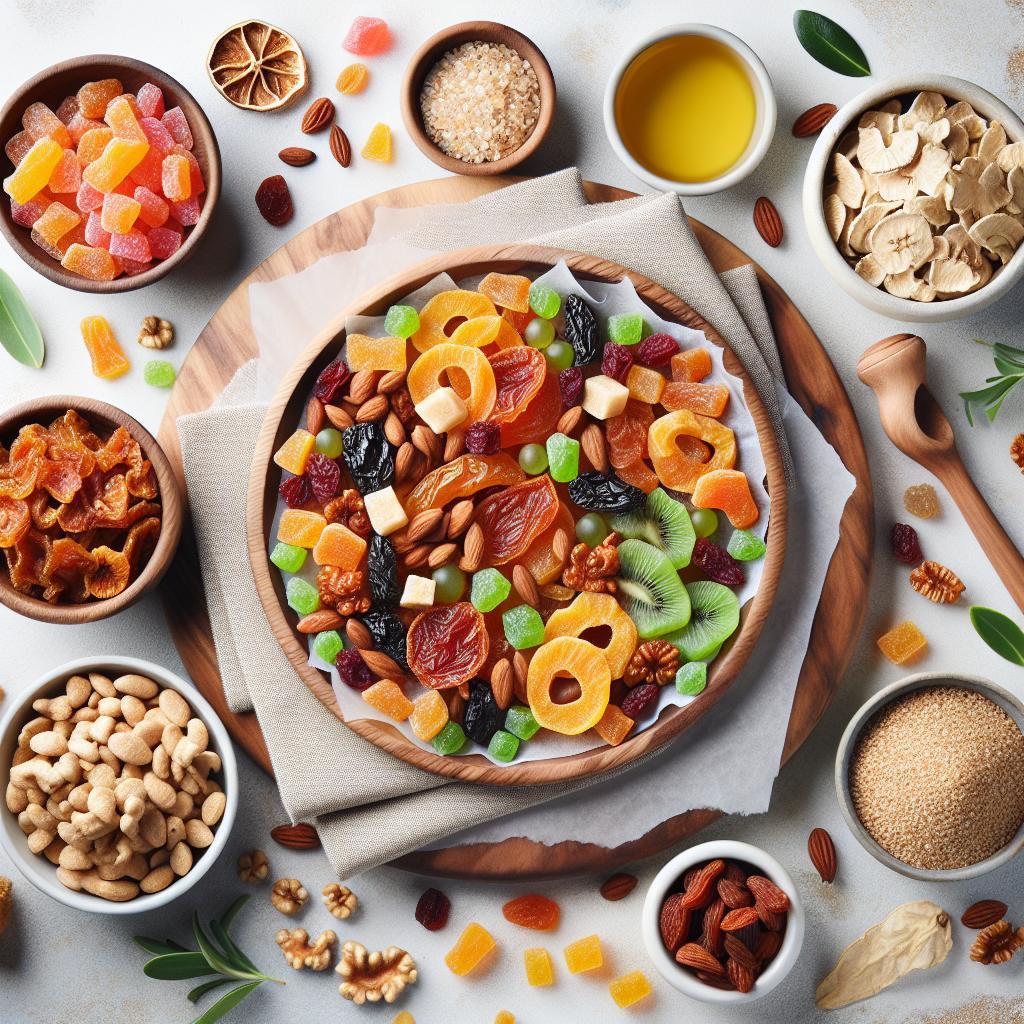

Imagine biting into a burst of sunshine packed with flavor, sweetness, and nourishment-all in one small, chewy bite. Dried fruit snacks, often dubbed “nature’s candy,” offer a delightful way to indulge your sweet tooth without reaching for processed treats. More than just a convenient and tasty snack, these naturally preserved gems are packed with surprising health benefits that often go unnoticed. From boosting energy to delivering antioxidants, dried fruits are proving themselves to be a powerhouse addition to our daily diet. In this article, we’ll peel back the layers on these vibrant snacks to reveal why nature’s candy deserves a prime spot in your pantry and your plate.
How Dried Fruit Supports Digestive Health and Boosts Immunity
Nature’s Candy isn’t just a delightful treat; it’s a potent ally for your digestive health and immune system. Dried fruits are naturally rich in dietary fiber, antioxidants, vitamins, and minerals, making them an excellent snack to maintain gut regularity and fortify your body’s defenses against illness.
Prep and Cook Time
- Prep Time: 10 minutes
- Cook Time: 0 minutes (no cooking required)
- Total Time: 10 minutes
Yield
Serves 4 as a nourishing snack or midday pick-me-up
Difficulty Level
Easy
Ingredients
- ½ cup dried apricots, chopped
- ½ cup dried figs, quartered
- ½ cup Medjool dates, pitted and chopped
- ¼ cup dried cranberries, unsweetened
- ¼ cup raw almonds, lightly toasted
- 1 tbsp chia seeds
- 1 tsp cinnamon
- 1 tbsp raw honey or maple syrup (optional)
Instructions
- Combine all dried fruits and almonds in a large mixing bowl, ensuring a colorful blend that boasts various textures and flavors.
- Add chia seeds and cinnamon, which not only enhance taste but also boost the antioxidant and anti-inflammatory properties of your snack.
- Drizzle honey or maple syrup over the mixture if you prefer a touch of extra sweetness; toss gently until evenly coated.
- Store in an airtight container for up to a week, making it convenient to grab a wholesome handful whenever hunger strikes.
- Optional: For a softer texture perfect for breakfast bowls, soak the dried fruit blend in warm water for 10 minutes before serving.
Tips for Success
- Choose organic, unsweetened dried fruits to avoid added sugars and preservatives.
- Mix and match dried fruits based on availability and personal preference – dried mango, blueberries, and cherries are excellent alternatives.
- Lightly toast nuts in a dry pan over medium heat for 3-4 minutes to deepen their flavor and add crunch.
- Keep your dried fruit blend fresh by storing it in a cool, dry place; refrigeration can extend shelf life.
- If you face digestive sensitivity, drink plenty of water when consuming dried fruits to help fiber move smoothly through your system.
Serving Suggestions
This dried fruit medley shines brightly beside a creamy bowl of Greek yogurt, sprinkled with a pinch of granola and fresh mint leaves. It also pairs beautifully with cheese platters, adding sweetness and texture, or simply enjoyed on its own as a vibrant, energy-boosting snack.
Add visual contrast by serving in clear glass jars or wooden bowls to highlight the jewel-like colors of dried apricots, figs, and cranberries. A few fresh berries or edible flowers can elevate presentation for entertaining guests.
| Nutrient | Amount per Serving |
|---|---|
| Calories | 180 kcal |
| Protein | 3 g |
| Carbohydrates | 42 g |
| Fat | 5 g |
| Dietary Fiber | 6 g |
| Vitamin A | 15% DV |

For further insights into integrating wholesome ingredients into your diet, check out our Healthy Snack Ideas. To understand the science behind fiber and immunity, visit the Harvard T.H. Chan School of Public Health.
Q&A
Q: What makes dried fruit snacks qualify as “Nature’s Candy”?
A: Dried fruit snacks earn the nickname “Nature’s Candy” because they capture the natural sweetness of fresh fruit in a concentrated, chewy form. Unlike processed candies, they offer a rich, pure flavor without added refined sugars or artificial ingredients, making them a guilt-free indulgence that satisfies sweet cravings naturally.
Q: How do dried fruits retain their nutrients despite the drying process?
A: During drying, much of the water content is removed, concentrating the natural sugars and nutrients. While some vitamin C might decrease, fiber, potassium, iron, and antioxidants become more concentrated, turning dried fruits into a nutrient-dense snack that fuels your body and supports health.
Q: Can dried fruit snacks help with energy levels throughout the day?
A: Absolutely! Due to their natural sugars and fiber, dried fruits provide a quick energy boost alongside sustained release, making them perfect for mid-morning pick-me-ups or pre-workout fuel. They awaken your senses without the crash associated with processed snacks.
Q: Are dried fruit snacks a good option for people with dietary restrictions?
A: Yes! Most dried fruit snacks are gluten-free, vegan, and free from common allergens like dairy and nuts (unless blended). Their pure, plant-based nature makes them versatile for many diets, although it’s wise to check ingredient lists for added sugars or preservatives.
Q: What role does fiber in dried fruits play in digestive health?
A: Fiber is a digestive superstar found abundantly in dried fruits. It helps regulate bowel movements, promotes healthy gut bacteria, and can keep you feeling fuller longer. Including a handful of dried fruit snacks in your diet supports a balanced digestive system naturally.
Q: How can dried fruit snacks be incorporated into daily meals?
A: Get creative! Sprinkle chopped dried fruits over yogurt or oatmeal for a tangy twist, toss them into salads for a sweet crunch, or mix them with nuts and seeds for an energizing trail mix. They also make excellent toppings for homemade granola bars or baking projects.
Q: Is portion control important when enjoying dried fruit snacks?
A: Yes, portion control matters because dried fruits are calorie-dense due to water loss concentrating sugars. A small handful (about ¼ cup) is typically sufficient to enjoy the benefits without overindulging, maintaining a balanced intake.
Q: Are there specific dried fruits that offer unique health benefits?
A: Each dried fruit has its own superhero qualities! For example, dried apricots are rich in vitamin A and potassium, raisins carry antioxidants like resveratrol, and dried figs provide both calcium and fiber. Choosing a variety enhances both flavor and nutritional coverage.
Q: How do dried fruit snacks compare environmentally to other sweet treats?
A: Dried fruits generally have a lower environmental footprint than many processed sweets because they require minimal processing and fewer additives. Plus, they support sustainable agriculture when sourced responsibly, making them a sweet choice for planet-conscious snackers.
Q: Can dried fruit snacks satisfy sweet cravings without spiking blood sugar?
A: Due to their fiber content, dried fruits release sugars more slowly than candies, helping to moderate blood sugar spikes. Pairing dried fruit with protein or healthy fats further balances glucose levels, making these sweet treats a smarter way to enjoy natural sugars.
Final Thoughts
In the vibrant tapestry of snacking, dried fruit stands out as nature’s own candy-offering a sweet embrace without the guilt. Beyond their delightful taste, these chewy morsels carry a powerhouse of nutrients, fiber, and antioxidants that quietly boost our well-being with every bite. So, the next time hunger strikes, reach for a handful of dried fruit and savor not just a snack, but a naturally crafted gift from the earth-proof that sweetness doesn’t have to come with a price. Nature’s candy, indeed, is a treat worth celebrating.