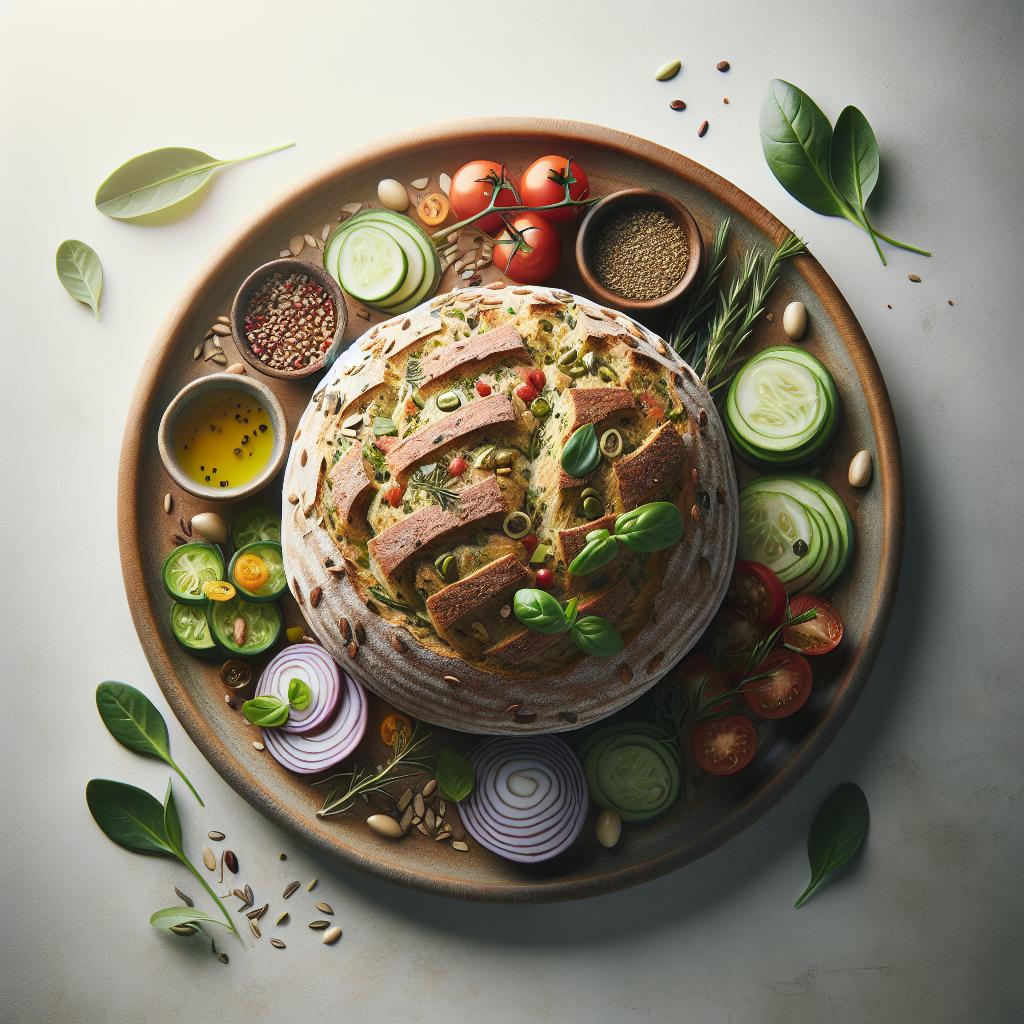

There’s something timeless about the comforting aroma of freshly baked bread wafting through the kitchen-a simple pleasure that connects us to centuries of culinary tradition. Yet, even the most classic recipes have room to grow, to surprise, and to delight. Enter herb-chopped bread, a vibrant twist on the age-old staple that infuses the humble loaf with bursts of fragrant greenery and bold flavor. This flavorful fusion marries the rustic charm of traditional baking with the fresh, garden-picked essence of herbs, transforming an everyday bread into a gourmet experience. Join us as we explore the art and science of herb-chopped bread, uncovering how a handful of herbs can elevate your baking to delicious new heights.
Herb-Chopped Bread: A Flavorful Twist on Classic Baking
Herb-chopped bread offers an irresistible fusion of rustic tradition and vibrant, fresh flavors, transforming simple dough into a fragrant masterpiece. This artisanal bread recipe elevates your baking with the essence of garden-fresh herbs-carefully selected and artfully infused into every bite. Whether you’re a seasoned baker or an eager home cook, mastering this technique promises a delightful sensory experience that captivates and comforts.
Prep and Cook Time
Preparation: 20 minutes
Rising Time: 1 hour 30 minutes
Baking Time: 25 minutes
Total Time: 2 hours 15 minutes
Yield
1 loaf (8 servings)
Difficulty Level
Medium
Ingredients
- 3 1/2 cups all-purpose flour, sifted
- 1 tbsp granulated sugar
- 2 tsp active dry yeast
- 1 1/4 cups warm water (105°F – 110°F)
- 2 tbsp extra virgin olive oil
- 2 tsp fine sea salt
- 1/2 cup fresh herbs, finely chopped (rosemary, thyme, parsley)
- 1 clove garlic, minced (optional)
- 1 tsp lemon zest (optional for brightness)
Instructions
- Activate the yeast: In a small bowl, combine the warm water, sugar, and yeast. Stir gently and let sit for 5-10 minutes until foamy, signaling the yeast is active.
- Mix dry ingredients: In a large mixing bowl, whisk together the sifted flour and sea salt evenly.
- Incorporate herbs: Add the chopped herbs, minced garlic, and lemon zest to the dry ingredients. Toss to distribute uniformly-this sets the foundation for an evenly infused flavor.
- Create the dough: Pour the yeast mixture and olive oil into the bowl. Using your hands or a dough hook attachment, mix until a rough dough forms.
- Knead for texture: On a lightly floured surface, knead the dough for 8-10 minutes until smooth and elastic. This develops the gluten structure essential for a tender crumb and sturdy crust.
- First rise: Place the dough in a lightly oiled bowl, cover it with a damp cloth, and allow it to rise in a warm place for 1 hour, or until doubled in size.
- Shape the loaf: Punch down the dough gently to release excess air. Shape it into a round or oval loaf, folding the dough to create surface tension.
- Second rise: Place the shaped dough on a parchment-lined baking sheet. Cover loosely and let it rise for an additional 30 minutes to achieve the perfect volume.
- Preheat the oven: Preheat to 400°F (200°C). For a rustic crust, place a shallow pan of water in the bottom of the oven to create steam.
- Bake the bread: Using a sharp knife, make a few shallow slashes across the surface for expansion. Bake for 25 minutes or until the crust is a deep golden brown and the loaf sounds hollow when tapped.
- Cool and enjoy: Remove the bread from the oven and allow it to cool completely on a wire rack before slicing. This resting period ensures ideal texture and flavor development.
Tips for Success
- Choosing herbs: Opt for fresh, vibrant herbs with fragrant leaves. Rosemary’s piney notes, thyme’s subtle earthiness, and parsley’s bright freshness create a balanced herb-chopped bread.
- Herb preparation: Chop herbs finely to avoid large pockets and ensure their flavor permeates the dough uniformly.
- Dough consistency: Slightly tacky to touch is ideal. Add extra flour in small increments only if the dough is overly sticky.
- Flavor variations: Swap or add chives, basil, or oregano based on seasonal availability or personal preference.
- Make-ahead: Shape the dough and refrigerate overnight for a slow cold ferment flavor boost. Bring to room temperature before baking.
Creative Serving Suggestions to Elevate Your Herb Bread Experience
Enjoy warm slices slathered with chilled whipped herb butter or a drizzle of high-quality extra virgin olive oil and balsamic glaze. Pair with fresh tomato bruschetta or a bowl of aromatic roasted garlic soup for a perfectly balanced meal. For a gourmet appetizer, top thin slices with creamy ricotta, lemon zest, and cracked black pepper. Garnish plates with a sprinkle of chopped fresh herbs to echo the bread’s fragrant notes.

| Nutrient | Per Serving |
|---|---|
| Calories | 180 kcal |
| Protein | 5 g |
| Carbohydrates | 35 g |
| Fat | 3.5 g |
For a deep dive into the science behind dough fermentation and herb infusion, visit the King Arthur Baking Guide. For more inspiration on bread flavor variations, explore our related Herbal Artisan Bread Recipes.
Q&A
Q: What is herb-chopped bread, and how does it differ from traditional bread?
A: Herb-chopped bread is a delightful variation of classic bread where fresh or dried herbs are finely chopped and incorporated into the dough. This infusion of fragrant herbs elevates the flavor profile, imparting an aromatic and savory twist that transforms everyday bread into a gourmet treat.
Q: Which herbs work best for making herb-chopped bread?
A: The most popular herbs for herb-chopped bread include rosemary, thyme, basil, oregano, and parsley. Each herb adds its unique character-rosemary offers a piney and woodsy note, thyme brings subtle earthiness, and basil contributes a sweet, peppery zing. Feel free to experiment with combinations to create a personalized flavor blend!
Q: How do the herbs affect the texture and baking process of the bread?
A: Herbs have minimal impact on texture but significantly enhance aroma and taste. However, chopped fresh herbs contain moisture, so it’s important to adjust the dough hydration slightly if using large amounts. Typically, the herbs are folded in just before the final rise to maintain their delicate flavor without overpowering the bread.
Q: Can herb-chopped bread be made with different flours?
A: Absolutely! While classic all-purpose or bread flour works wonderfully for herb-chopped bread, whole wheat, spelt, or gluten-free flour blends can also be used. Each flour brings distinct textures and nutritional benefits, making herb bread adaptable to various dietary preferences.
Q: What are some creative ways to enjoy herb-chopped bread?
A: Herb-chopped bread is incredibly versatile. Serve it warm with olive oil and balsamic vinegar for dipping, use it as a base for savory sandwiches, or pair it with soups and salads to add an herbaceous punch. It’s also fantastic toasted with a smear of herb butter for breakfast or snacks.
Q: How do you store herb-chopped bread to maintain its freshness?
A: To keep the bread fresh, store it in a paper bag or bread box at room temperature, which helps maintain the crust’s crispness while preventing it from drying out too quickly. For extended storage, slice and freeze the bread; simply toast slices straight from the freezer when ready to enjoy.
Q: Are there any tips for beginners making herb-chopped bread at home?
A: Start with a simple recipe and one or two herbs to avoid overwhelming flavors. Make sure herbs are finely chopped for even distribution. Use room temperature ingredients for better yeast activation, and allow proper rising time to develop texture and flavor fully. Most importantly, experiment and have fun-each loaf is an opportunity to craft your perfect herb-infused masterpiece!
Wrapping Up
As your kitchen fills with the aroma of freshly baked herb-chopped bread, you’ll realize this isn’t just a twist on a classic-it’s a celebration of flavors that transform simple ingredients into something extraordinary. Whether enjoyed warm from the oven or paired with your favorite soup or cheese, herb-chopped bread invites you to savor the subtle dance of aromatic herbs and tender crumb in every bite. So next time you reach for a loaf, why not take a flavorful detour? Your taste buds-and your guests-will thank you for bringing this fragrant, savory charm to your table. Happy baking!