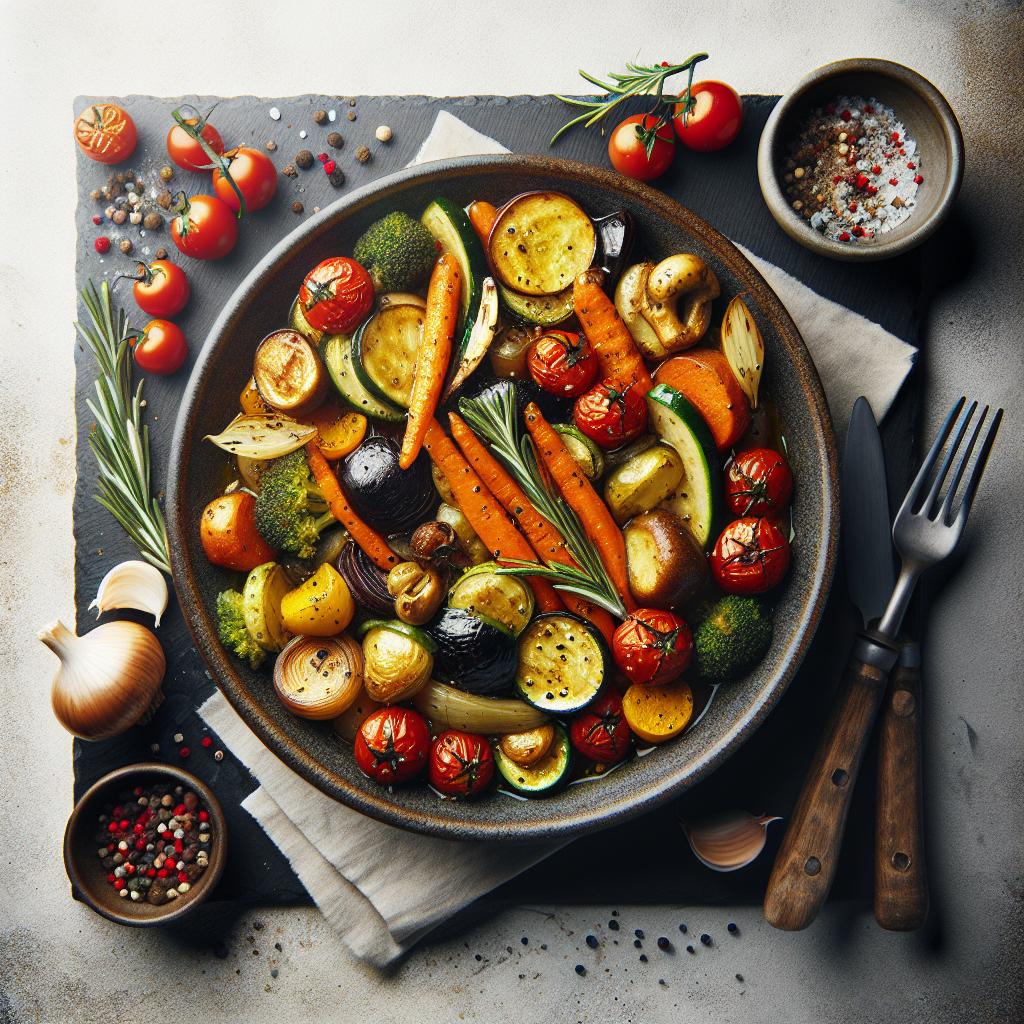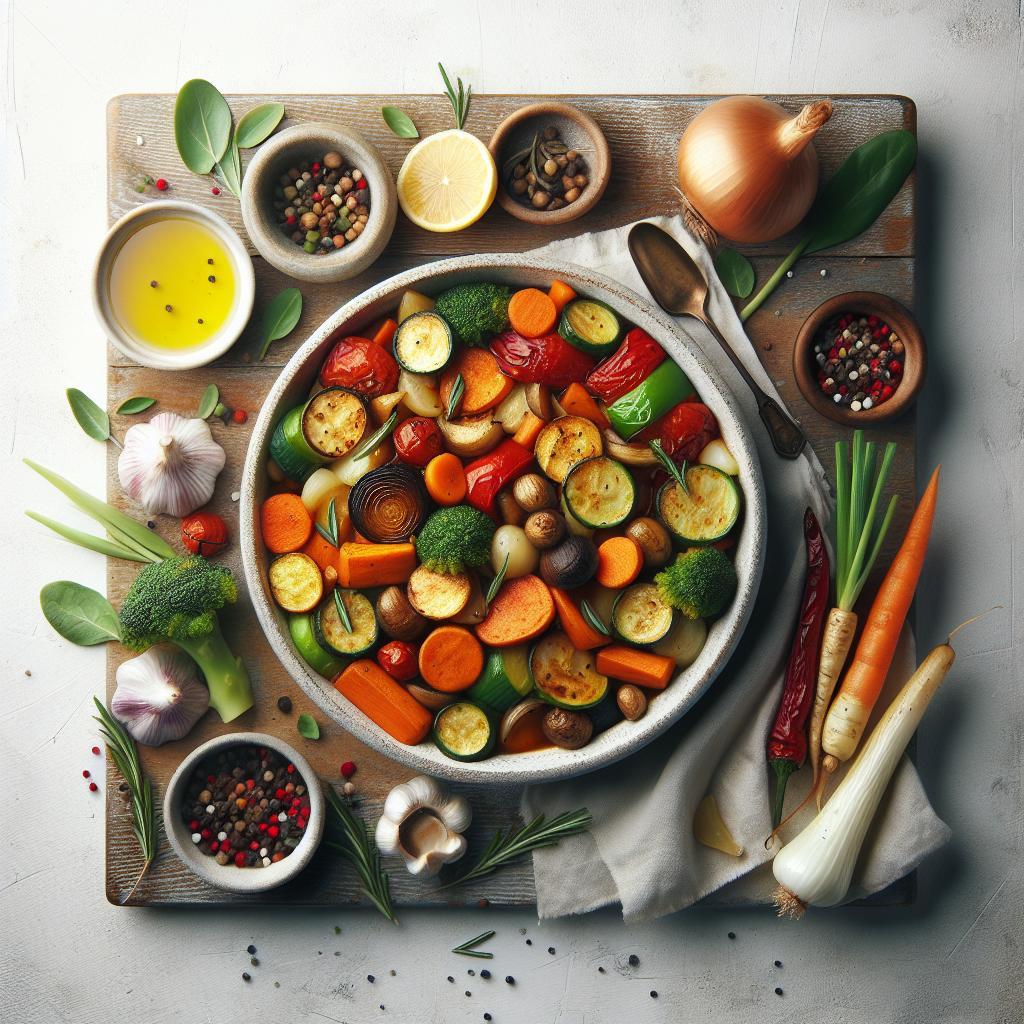

When the chill of autumn settles in and the craving for something warm and nourishing grows, few dishes satisfy quite like a hearty roasted vegetable stew. This flavorful comfort bowl is more than just a meal-it’s a celebration of vibrant, caramelized vegetables melded together in a rich, savory broth. Rooted in the tradition of slow-cooked goodness, this stew transforms humble ingredients into a cozy embrace for the soul. Whether you’re seeking a plant-powered feast or a sidekick to your favorite crusty bread, this dish promises layers of depth, warmth, and wholesome satisfaction in every spoonful. Join us as we explore the art of crafting this timeless stew, where simplicity meets robust flavor in a perfect harmony.
Hearty Roasted Vegetable Stew: A Flavorful Comfort Bowl
Hearty roasted vegetable stew: a flavorful comfort bowl offers a soul-warming experience that transforms humble, seasonal produce into a medley of deep, vivid flavors. This dish draws inspiration from rustic farmhouse kitchens where roasting vegetables unlocks their natural sweetness and richness, creating a broth infused with layers of complexity and comfort. Whether braving chilly evenings or seeking a wholesome one-pot meal, this stew invites you into a world where simplicity meets gourmet. Embracing this recipe allows you to appreciate each ingredient’s essence, uplifted by the artful melding of roasting, seasoning, and slow simmering.
Prep and Cook Time
- Preparation Time: 25 minutes
- Roasting Time: 35 minutes
- Simmering Time: 45 minutes
- Total Time: 1 hour 45 minutes
Yield
Serves 6 hearty bowls
Difficulty Level
Medium – Perfect for cooks comfortable with roasting and layering flavors
Ingredients
- 3 cups mixed root vegetables (carrots, parsnips, golden beets), peeled and cut into 1-inch chunks
- 2 cups butternut squash, peeled and cubed
- 1 large red onion, cut into wedges
- 1 cup cremini mushrooms, halved
- 4 cloves garlic, minced
- 3 tbsp extra-virgin olive oil, divided
- 1 tsp smoked paprika
- 1 tsp dried thyme
- 1 tsp dried rosemary
- Salt and freshly ground black pepper to taste
- 6 cups low-sodium vegetable broth
- 1 cup diced ripe tomatoes (canned or fresh)
- 2 tbsp tomato paste
- 1 bay leaf
- 1 tbsp apple cider vinegar
- 1 cup fresh kale or Swiss chard, roughly chopped
- 2 tbsp fresh parsley, chopped, for garnish
The Art of Roasting Vegetables to Unlock Deep Flavors
Begin by preheating your oven to 425°F (220°C). Toss the root vegetables, butternut squash, mushrooms, and red onion with 2 tablespoons of olive oil, smoked paprika, thyme, rosemary, salt, and pepper in a large bowl. Spread them evenly on a rimmed baking sheet to ensure proper caramelization. Roasting at a high temperature amplifies natural sugars, forming rich, golden edges and an irresistible aroma. Around the 20-minute mark, turn the vegetables to promote even browning and prevent sticking. This initial roasting step is key to developing the hearty, flavorful foundation that distinguishes this vegetable stew from a mere soup.
Building a Balanced Stew with Seasonal Ingredients
While the vegetables roast, gently heat the remaining 1 tablespoon olive oil in a heavy-bottomed pot over medium heat. Sauté the minced garlic until fragrant and just starting to color, about 1-2 minutes. Incorporate the tomato paste and stir for 1 minute to deepen its flavor. Add the diced tomatoes and bay leaf, then pour in the vegetable broth to create the stew base. Once the vegetables come from the oven, transfer them directly to this simmering broth. Adding apple cider vinegar at this stage brightens the overall taste, balancing the sweetness unleashed by roasting. Finally, stir in the fresh kale or Swiss chard in the last 10 minutes of simmering to preserve their vibrant color and nutrient profile.
Seasoning Secrets for a Rich and Comforting Broth
The broth deserves the same attention as the vegetables. Layering subtle flavors from herbs like thyme and rosemary releases earthy, piney notes that complement the sweet root vegetables. A pinch of smoked paprika introduces warmth and smokiness without overpowering. Adjusting salt levels gradually while simmering helps harmonize the stew’s depth. For a final umami boost, consider stirring in a tablespoon of nutritional yeast or a splash of tamari (soy sauce) near the end of cooking – a well-kept culinary secret to elevate richness naturally.
Tips for Perfectly Simmered Stew and Serving Suggestions
Maintain a gentle simmer rather than a rolling boil to keep vegetables intact and broth clear. Cover the pot partially during cooking to allow flavors to concentrate while preventing evaporation. This slow, deliberate simmer encourages connective flavors to marry flawlessly, creating the iconic “comfort bowl” experience. When ready to serve, ladle the stew into generous bowls and garnish with bright parsley for a fresh pop of color. Accompany with thick slices of crusty artisan bread or warm quinoa for added texture and hearty satisfaction.
Instructions
- Preheat oven to 425°F (220°C). Line a large baking sheet with parchment paper for easy cleanup.
- Toss root vegetables, butternut squash, mushrooms, and onion with 2 tablespoons olive oil, smoked paprika, thyme, rosemary, salt, and pepper. Arrange in a single layer on the baking sheet.
- Roast vegetables for 35 minutes, flipping halfway through to ensure even caramelization and prevent sticking.
- While vegetables roast, heat 1 tablespoon olive oil in a large pot over medium heat. Sauté garlic until fragrant, about 1-2 minutes.
- Add tomato paste and diced tomatoes and cook, stirring for 2 minutes to develop flavors.
- Pour in vegetable broth, add bay leaf, and bring to a gentle simmer.
- Transfer roasted vegetables directly to the pot. Stir in apple cider vinegar.
- Simmer uncovered for 40-45 minutes over low heat, stirring occasionally.
- Add chopped kale in the last 10 minutes and cook until wilted but vibrant.
- Adjust seasoning with salt, pepper, and optional umami boosters like nutritional yeast or tamari.
- Remove bay leaf before serving.
- Ladle stew into bowls, garnish with fresh parsley, and serve warm with bread or grain.
Chef’s Notes
- Variations: Swap in seasonal vegetables like sweet potatoes, turnips, or fennel to enjoy year-round.
- Mushroom Substitute: Use shiitake or oyster mushrooms for additional texture and umami.
- Make-Ahead: Prepare the roasted vegetables and broth separately up to 2 days in advance. Reheat together before serving for best flavor.
- Broth Booster: Infuse broth with dried herbs or a vanilla bean pod for subtle complexity.
Serving Suggestions
Serve this vibrant bowl alongside a crunchy green salad dressed in lemon vinaigrette or dollop with creamy, herbed vegan yogurt for cooling contrast. Garnish with toasted pumpkin seeds or pine nuts for texture, and a drizzle of high-quality extra-virgin olive oil to finish.
| Nutrient | Per Serving |
|---|---|
| Calories | 280 |
| Protein | 7g |
| Carbohydrates | 44g |
| Fat | 8g |

For a deeper dive into vegetarian comfort food, explore our Seasonal Vegetable Casserole. Discover the nutritional benefits of varied vegetable roasting at ChooseMyPlate.gov.
Q&A
Q&A: Hearty Roasted Vegetable Stew – A Flavorful Comfort Bowl
Q1: What makes roasted vegetables a great base for a hearty stew?
A1: Roasting vegetables caramelizes their natural sugars, intensifying their flavors and adding a deep, smoky sweetness. This complexity gives the stew a rich, comforting depth that boiling alone often can’t achieve.
Q2: Which vegetables work best for this stew?
A2: Root vegetables like carrots, parsnips, and sweet potatoes bring natural sweetness and heartiness. Adding bell peppers, zucchini, and mushrooms introduces varied textures and earthiness. A mix creates a symphony of flavors in every spoonful.
Q3: How do you keep the stew thick and satisfying without using cream or flour?
A3: Roasting concentrates the veggies’ natural starches, and simmering with beans or lentils adds body and protein. Pureeing a small portion of the stew also creates a velvety texture without extra thickeners.
Q4: What herbs and spices elevate the flavor profile?
A4: Warm spices like smoked paprika, garlic, and thyme pair beautifully with roasted veggies. Bay leaves and rosemary add aromatic layers, while a pinch of cayenne can introduce a subtle, comforting heat.
Q5: Can this stew be made ahead and still taste fresh?
A5: Absolutely! In fact, letting the stew rest overnight allows the flavors to meld and deepen. Reheat gently on the stove, and it will taste even more harmonious the next day.
Q6: How can you transform this stew into a complete meal?
A6: Adding hearty grains like barley or quinoa, or stirring in cooked chickpeas or lentils, makes it a nourishment-packed delight. Serve over creamy mashed potatoes or crusty bread to soak up every drop.
Q7: What’s a simple finishing touch to brighten the stew?
A7: A scattering of fresh parsley or a squeeze of lemon juice at the end adds a vibrant, fresh note that cuts through the richness and lifts the entire bowl.
Q8: How versatile is this stew when it comes to seasonal vegetables?
A8: Very versatile! Swap veggies with the seasons-think summer squash and tomatoes in warmer months, or hearty winter squash and Brussels sprouts in colder times. The roasting technique ensures every season’s bounty shines warmly.
Q9: Is this stew suitable for special diets?
A9: Yes, it’s naturally vegan, gluten-free (if made without any grain additions containing gluten), and can easily be adapted to low sodium or low fat diets by adjusting seasoning and cooking oils.
Q10: What’s the best way to store leftovers?
A10: Store in an airtight container in the fridge for up to 4 days or freeze in portions for up to 3 months. Thaw overnight in the fridge and gently reheat on the stove, adding a splash of broth if the stew thickens too much.
Insights and Conclusions
As the final spoonful of this hearty roasted vegetable stew warms your soul, you’re reminded that comfort food doesn’t need to be complicated to be unforgettable. Each roasted root, each tender bean, and every herb-infused broth swirl together in a symphony of flavors that nourish both body and spirit. Whether shared on a brisk autumn evening or savored on a quiet night in, this stew stands as a testament to the simple magic that happens when wholesome ingredients meet time and care. So next time you seek a bowl that hugs you from within, remember: the most flavorful comfort often grows right from the heart of the garden and the humble oven’s glow.