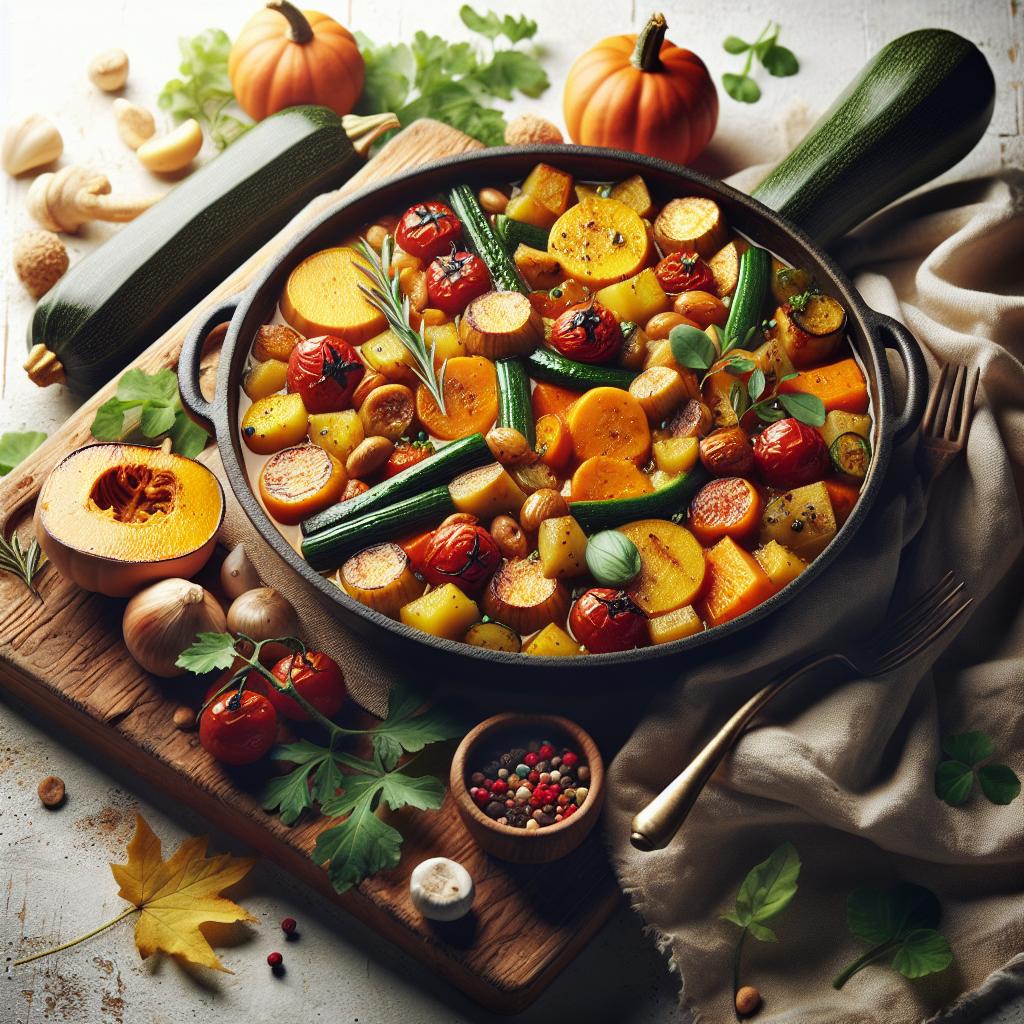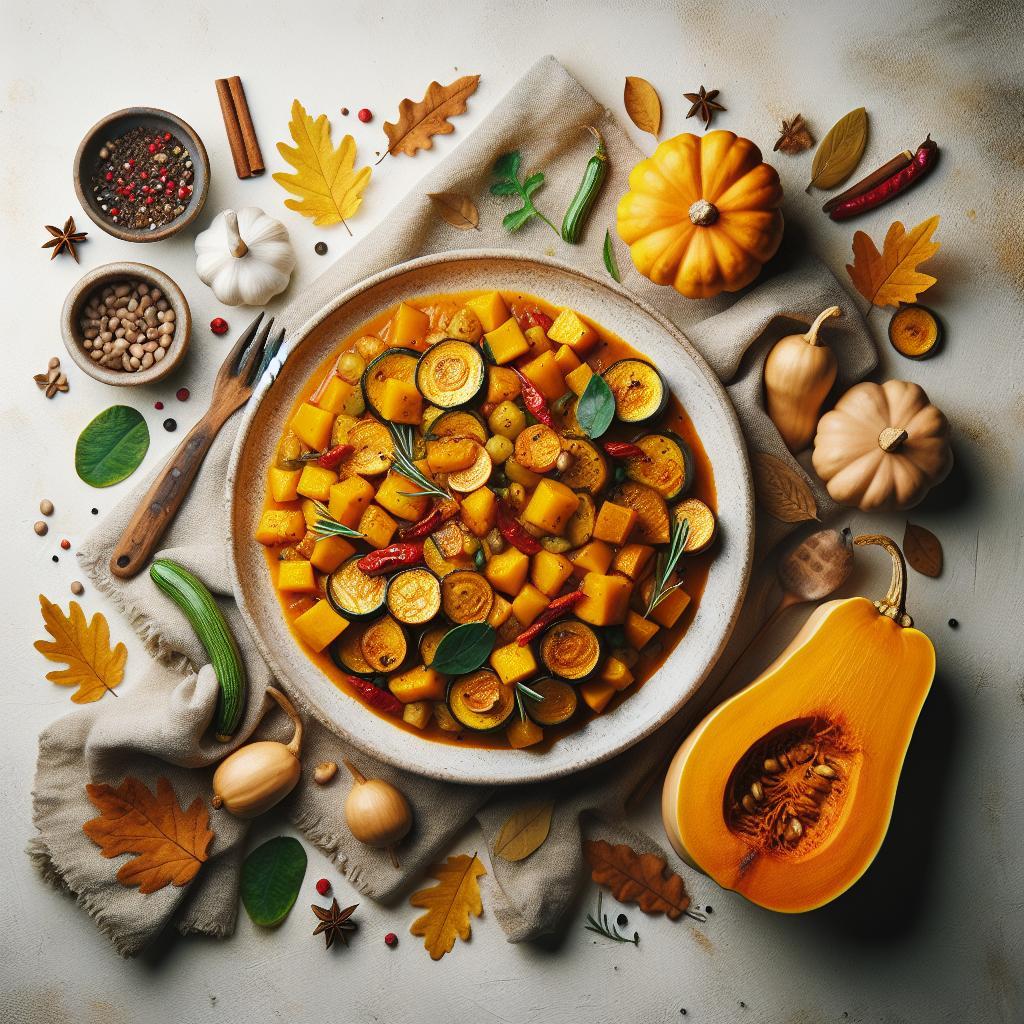

As the crisp air of autumn settles in and leaves turn to shades of amber and gold, kitchens across the world begin to glow with the comforting scent of seasonal harvests. There’s something undeniably heartwarming about a bowl of stew that captures the essence of fall-rich, earthy, and deeply satisfying. Enter the hearty roasted squash stew: a culinary embrace that transforms humble ingredients into a symphony of flavors, turning every spoonful into a reminder of autumn’s bounty. In this article, we’ll explore how to craft this delicious stew, uncover the best varieties of squash to use, and share tips to make your meal not just nourishing, but a true celebration of the season’s warmth.
Hearty Roasted Squash Stew: A Warm Taste of Autumn
Hearty roasted squash stew captures the essence of autumn in every spoonful, weaving together the rich, caramelized flavors of roasted seasonal squash with the warmth of herbs and spices. This dish invites you into a cozy kitchen, filled with the fragrant aroma of slow-cooked goodness that’s not only nourishing but deeply satisfying. Originating from a love for rustic comfort food, this stew celebrates nature’s bounty, making it the perfect centerpiece for chilly evenings or family gatherings.
Prep and Cook Time
- Preparation: 20 minutes
- Roasting: 35 minutes
- Simmering: 45 minutes
- Total Time: 1 hour 40 minutes
Yield
Serves 6 generous bowls
Difficulty Level
Medium – approachable for home cooks eager to deepen their skills
Ingredients
- 2 cups butternut squash, peeled and cubed
- 2 cups kabocha squash, peeled and cubed
- 1 medium onion, finely chopped
- 3 cloves garlic, minced
- 2 tbsp extra virgin olive oil
- 4 cups vegetable broth, low sodium
- 1 cup diced tomatoes (canned or fresh)
- 1 large carrot, sliced
- 2 stalks celery, sliced
- 1 tsp smoked paprika
- 1 tsp ground cumin
- ½ tsp ground cinnamon
- 1 tbsp fresh thyme leaves
- 1 tbsp fresh rosemary, chopped
- Salt and freshly ground black pepper, to taste
- Juice of 1 lemon, for brightness
- Fresh parsley, chopped for garnish
Step by Step Guide to Roasting for a Rich and Nutty Base
- Preheat your oven to 425°F (220°C). Toss the cubed butternut and kabocha squash with 1 tablespoon of olive oil and a pinch of salt. Spread evenly on a baking sheet lined with parchment paper.
- Roast the squash for 30-35 minutes, turning halfway, until the edges are deeply golden and caramelized. These roasted squash cubes provide the nutty depth and velvety texture that define this stew.
- While roasting, heat the remaining tablespoon of olive oil in a large heavy-bottomed pot over medium heat.
- Sauté the onion, carrot, and celery for about 7 minutes, stirring occasionally until softened and translucent. Add the garlic and cook for another 1-2 minutes until fragrant.
- Stir in the smoked paprika, cumin, and cinnamon, allowing the spices to bloom for 1 minute to unlock their warmth and complexity.
- Add the roasted squash to the pot, then pour in vegetable broth and diced tomatoes. Stir to combine everything gently.
- Simmer uncovered for 40-45 minutes, allowing the flavors to meld and the stew to thicken slightly. Stir occasionally to prevent sticking.
Tips for Elevating Your Stew with Herbs and Spices
Fresh herbs like thyme and rosemary truly awaken this hearty roasted squash stew, enhancing the natural sweetness with a burst of earthiness. Add them early in the simmering process for maximum infusion of flavor, and reserve a pinch of parsley for a fresh finish. To add complexity, sprinkle smoked paprika and cumin – these spices add a smoky, slightly earthy undertone that complements the squash’s mild flavor without overwhelming it.
Finish with a squeeze of lemon juice for that perfect balance, cutting through the richness and brightening every element. Season mindfully with salt and freshly ground black pepper to taste, adjusting gradually as the stew reduces to capture the right harmony of flavors. For a touch of heat, a dash of cayenne pepper works wonders.
Instructions
- Prepare the squash: Peel, seed, and cube both squashes uniformly to ensure even roasting.
- Roast: Toss in olive oil and spread out on a baking sheet; roast until caramelized and tender.
- Sauté base vegetables: Cook onion, carrot, celery, and garlic to soften and release aromas.
- Add spices: Stir in smoked paprika, cumin, cinnamon; cook briefly for full flavor.
- Combine: Add roasted squash, vegetable broth, and tomatoes to the pot and stir together.
- Simmer gently: Let stew cook uncovered to thicken and develop flavors, stirring periodically.
- Finish: Stir in fresh herbs, salt, pepper, and lemon juice just before serving.
- Garnish: Sprinkle with chopped parsley or a swirl of coconut cream for extra richness.
Chef’s Notes
- Squash Substitutions: Try acorn or delicata squash for different texture and sweetness.
- Make-Ahead: This stew deepens in flavor overnight; refrigerate and reheat gently.
- Thickening Tips: For a creamier stew, mash some of the squash cubes against the pot before serving.
- Vegan Boost: Add cooked chickpeas or cannellini beans for extra protein and texture.
- Storage: Keeps well in an airtight container for up to 4 days, or freeze individual portions.
Serving Suggestions
Serve this hearty roasted squash stew steaming in rustic bowls, topped with vibrant green parsley or a dollop of creamy coconut yogurt for a cooling contrast. It pairs beautifully with crusty sourdough bread or rustic cornbread to soak up every drop of the flavorful broth. For a complete harvest meal, complement with a crisp apple and fennel salad or warm spiced roasted nuts sprinkled on top for delightful crunch.

| Nutrient | Per Serving |
|---|---|
| Calories | 280 kcal |
| Protein | 6 g |
| Carbohydrates | 45 g |
| Fat | 7 g |
For more cozy autumn recipes, explore our Autumn Harvest Vegetable Soup and discover new ways to celebrate seasonal produce. To deepen your understanding of the nutritional benefits of squash and seasonal vegetables, visit The Nutrition Society.
Q&A
Q&A: Hearty Roasted Squash Stew – A Warm Taste of Autumn
Q1: What makes roasted squash the star ingredient in this autumn stew?
A1: Roasting the squash caramelizes its natural sugars, enhancing its sweetness and deepening its flavor. This transformation gives the stew a rich, comforting base that embodies the essence of autumn’s harvest. The tender, slightly crisp edges from roasting also add a delightful texture contrast in each spoonful.
Q2: Can I use different types of squash for this stew?
A2: Absolutely! Butternut squash is a classic choice for its creamy texture and sweet, nutty flavor. However, feel free to experiment with kabocha, acorn, or delicata squash to bring unique nuances. Each variety lends its own subtle sweetness and texture, enriching the stew’s depth.
Q3: What vegetable additions enhance the flavor profile of the stew?
A3: Root vegetables like carrots, parsnips, and sweet potatoes amplify the stew’s earthy sweetness. Aromatic vegetables such as onions, garlic, and celery build a savory foundation, while hearty greens like kale or Swiss chard add color and nutrients. Mushrooms introduce umami, making each bite even more satisfying.
Q4: How do spices elevate this roasted squash stew?
A4: Warm spices like cinnamon, nutmeg, and smoked paprika evoke cozy autumn vibes, adding complexity and warmth. A touch of cumin or coriander infuses a gentle earthiness that complements the roasted flavors. Balancing sweet and savory spices creates a stew that’s both comforting and intriguing.
Q5: What’s the best liquid to use for simmering the stew?
A5: Vegetable broth is ideal for adding depth without overpowering the natural flavors. For a creamier texture, coconut milk can be introduced midway through cooking, lending a subtle richness and smooth finish that harmonizes beautifully with the roasted squash and spices.
Q6: Is this stew suitable for vegan or gluten-free diets?
A6: Yes! This stew is naturally vegan and gluten-free when prepared with vegetable broth and fresh ingredients. It’s a hearty, nourishing meal that welcomes anyone seeking plant-based comfort food during the cooler months.
Q7: How does roasting the vegetables before stewing affect the final dish?
A7: Roasting intensifies the vegetables’ flavors by caramelizing their edges, which adds a smoky sweetness and depth. When combined with the stew’s simmering process, these roasted notes meld together, creating a complex, well-rounded taste that steaming or boiling alone cannot achieve.
Q8: Can I prepare this stew in advance?
A8: Definitely! This stew tastes even better the next day as the flavors continue to meld. Make it ahead, store it in the fridge, and gently reheat on the stove or in the oven. It’s a perfect make-ahead meal for busy autumn evenings.
Q9: What are some creative serving suggestions for this stew?
A9: Serve it over a bed of fluffy quinoa, brown rice, or creamy polenta for an extra layer of comfort. Garnish with toasted pumpkin seeds, fresh herbs like thyme or sage, or a drizzle of tahini to add texture and an herbal brightness. A crusty whole-grain bread on the side is great for dipping.
Q10: How can I adjust the stew for a spicier kick?
A10: Incorporate freshly chopped chili peppers or a pinch of cayenne pepper during the cooking process. A splash of harissa or chili oil at the end provides a smoky, spicy finish without overshadowing the stew’s natural sweetness. Adjust spice levels gradually to suit your palate.
In Conclusion
As the golden hues of autumn fall around us, there’s nothing quite like the comforting embrace of a hearty roasted squash stew to warm both body and soul. This dish not only captures the essence of the season’s bounty but also invites you to savor the simple, nourishing flavors that make fall truly special. Whether shared around a bustling family table or enjoyed during a quiet evening at home, this stew is more than a meal-it’s a celebration of harvest, home, and heart. So, as the leaves continue to turn and the air grows crisp, let each spoonful remind you of autumn’s gentle magic and the timeless joy of good food made with care.