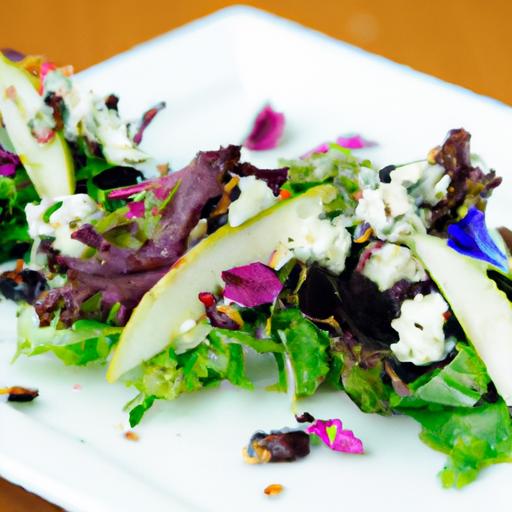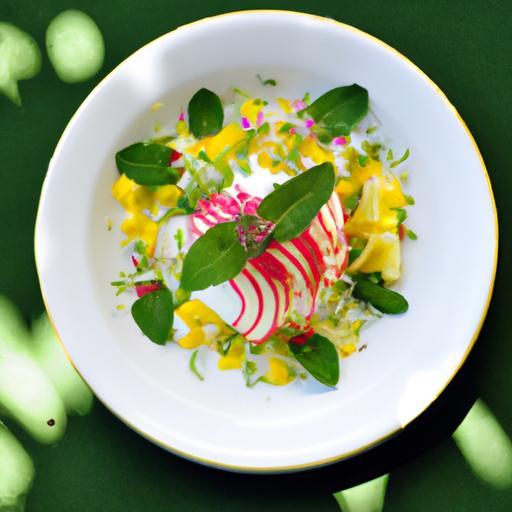

As autumn paints the world in hues of amber and gold, our kitchens come alive with the comforting aromas of harvest-fresh ingredients. But what if these seasonal flavors could do more than delight our taste buds? “Harvest Bites: Fall Dishes That Fight Climate Change” explores how the foods we savor this season can become powerful allies in nurturing the planet. From root vegetables to hearty grains, discover how embracing climate-friendly recipes not only honors tradition but also sows the seeds for a more sustainable future-one delicious bite at a time.
Harvest Bites That Nourish the Planet: Seasonal Ingredients with a Sustainable Story
Harvest Bites That Nourish the Planet invite us to savor the rich flavors of autumn through vibrant, plant-based plates designed not only to delight the palate but also to lower our carbon footprint. Embracing seasonal ingredients like butternut squash, kale, and earthy mushrooms, these dishes tell the story of sustainable harvests and mindful cooking practices. As the leaves turn and the air crisps, shifting to these simple swaps brings both nourishment and a greener footprint to your fall table.
Prep and Cook Time
- Preparation: 20 minutes
- Cooking: 35 minutes
- Total: 55 minutes
Yield
Serves 4 hearty portions
Difficulty Level
Easy to Medium – Perfect for home cooks eager to explore plant-powered fall fare
Ingredients
- 1 medium butternut squash, peeled, seeded, and cut into 1-inch cubes
- 2 tablespoons extra virgin olive oil
- 1 teaspoon smoked paprika
- Salt and freshly ground black pepper, to taste
- 1 cup chopped kale leaves, stems removed
- 1 cup cooked quinoa
- 1/2 cup dried cranberries
- 1/2 cup toasted pecans, roughly chopped
- 1 tablespoon maple syrup
- Juice of 1 lemon
- 2 cloves garlic, minced
- 1 small red onion, thinly sliced
Instructions
- Preheat the oven to 400°F (200°C). Toss the butternut squash cubes with 1 tablespoon of olive oil, smoked paprika, salt, and pepper. Spread on a baking sheet in a single layer. Roast for 25-30 minutes, turning halfway through, until tender and caramelized.
- While the squash roasts, heat the remaining olive oil in a large skillet over medium heat. Add the sliced red onion and sauté until soft and translucent, about 5 minutes.
- Add the minced garlic and kale to the skillet, stirring until kale wilts, approximately 3-4 minutes. Season with a pinch of salt to enhance the greens’ natural flavors.
- In a large mixing bowl, combine the cooked quinoa, sautéed kale mixture, roasted butternut squash, dried cranberries, and toasted pecans.
- In a small bowl, whisk together maple syrup and lemon juice for a bright, tangy dressing. Pour over the quinoa mixture and toss gently until well coated.
- Adjust seasoning with additional salt and fresh cracked pepper as desired. Serve warm or at room temperature to fully enjoy the medley of textures and autumnal colors.
Chef’s Notes
- For added protein, stir in cooked chickpeas or toasted pumpkin seeds.
- Substitute kale with spinach or Swiss chard for a milder green.
- Maple syrup can be swapped for agave nectar or a drizzle of balsamic glaze for a different flavor profile.
- Make ahead: Roast the squash and prepare quinoa the day before. Combine and dress just before serving to keep textures vibrant.
Serving Suggestions
This vibrant autumn bowl pairs beautifully with warm crusty bread and a side of steamed green beans. Garnish with fresh thyme sprigs or a sprinkle of toasted pumpkin seeds for extra crunch. Consider plating over a bed of mixed greens for a larger meal or alongside a glass of crisp hard cider to complete the harvest experience.

| Nutrient | Per Serving |
|---|---|
| Calories | 320 kcal |
| Protein | 8 g |
| Carbohydrates | 45 g |
| Fat | 11 g |
Discover more plant-based inspiration to fight climate change with our Earth-Friendly Winter Recipes. For a deeper understanding of sustainable eating’s positive impact on the environment, visit the United Nations Sustainable Development Food Security page.
Q&A
Q&A: Harvest Bites – Fall Dishes That Fight Climate Change
Q1: What’s the idea behind “Harvest Bites” and how do fall dishes help fight climate change?
A1: “Harvest Bites” celebrates seasonal, plant-forward eating that aligns with nature’s rhythm. By spotlighting fall dishes made from locally harvested ingredients, it reduces the carbon footprint associated with long-distance transportation and industrial farming. Eating seasonally means fewer energy-intensive inputs and less food waste, directly helping to combat climate change.
Q2: Which fall ingredients are climate heroes on your plate?
A2: Think hearty root vegetables like sweet potatoes and carrots, nutrient-rich squash varieties, earthy mushrooms, and crisp apples or pears. These crops often require less water, emit fewer greenhouse gases, and are typically grown closer to home during autumn, making them sustainable picks that nourish both you and the planet.
Q3: Can you give examples of “Harvest Bites” dishes that are delicious and eco-friendly?
A3: Absolutely! Imagine a roasted butternut squash and lentil stew, packed with fiber and protein, that replaces the need for resource-heavy meats. Or a spiced apple and walnut salad drizzled with local maple syrup, celebrating fall’s sweetness while supporting regional farmers. Even a simple pumpkin hummus upgrade fights climate change by turning humble legumes and seasonal squash into a crowd-pleaser.
Q4: How does eating fall dishes curb food waste?
A4: Seasonal recipes often inspire using the whole ingredient-from pumpkin seeds to beet greens-minimizing what ends up in the compost. Plus, cooking with in-season produce means fresher, longer-lasting food, reducing spoilage at home. Smart storage and creative leftovers keep your harvest meals sustainable all week long.
Q5: Is this about giving up meat entirely?
A5: Not necessarily. It’s about prioritizing plant-based, seasonal options and reducing meat consumption wherever possible. When you do choose animal products, opting for local and pasture-raised can lessen environmental impact. “Harvest Bites” encourages treating meat as an accent rather than the main event, which helps shrink your carbon footprint naturally.
Q6: How can I start embracing these climate-friendly fall dishes today?
A6: Visit your farmers’ market or join a community-supported agriculture (CSA) program to discover what’s fresh, local, and ripe. Experiment with simple swaps-like using roasted pumpkin instead of cream in soups or swapping beef for mushrooms in stews. Educate yourself on seasonal produce calendars, and celebrate the flavors of fall while supporting a healthier planet!
Q7: Why is this movement gaining traction now?
A7: As climate change intensifies, food systems are both a major contributor and a powerful solution. People are craving connection to their food and a way to make a tangible environmental impact in daily life. “Harvest Bites” taps into cultural traditions and modern sustainability, proving that climate action can be delicious, comforting, and accessible every autumn.
Closing Remarks
As the leaves turn and the harvest moon rises, our plates can become powerful tools for change. By embracing fall’s bountiful, climate-friendly ingredients, we don’t just savor the season’s rich flavors-we also nurture the planet beneath our feet. Each bite of a harvest dish crafted with sustainability in mind is a small act of reverence for the earth and a hopeful step toward a cooler, greener future. So this autumn, as you gather around the table, remember: the choices we make today plant the seeds for tomorrow’s thriving harvest. Let every forkful be a vote for a healthier planet, one delicious dish at a time.