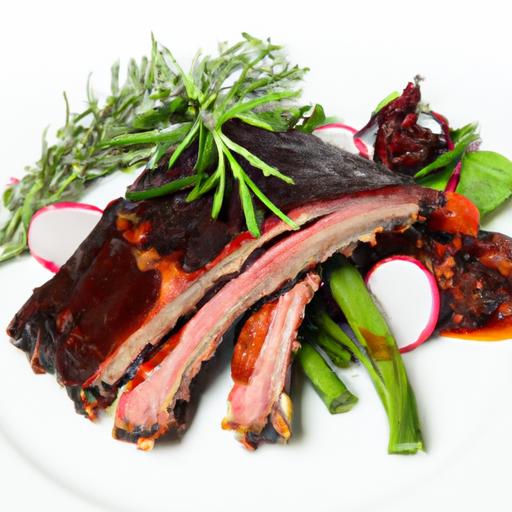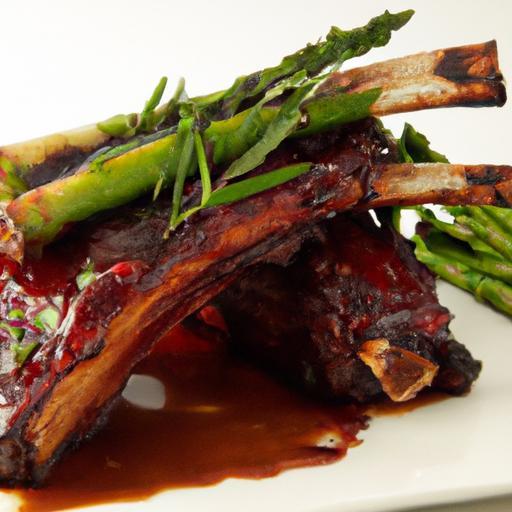

When it comes to grilling, few experiences rival the primal satisfaction of a perfectly charred, juicy rib-especially when that rib comes from a majestic beast like the bison. In the world of nose-to-tail cooking, every inch of this powerful animal is an invitation to explore bold flavors and textures, honoring a tradition that wastes nothing and celebrates everything. “Grilling Nose-to-Tail Bison Ribs: A Whole-Beast Feast” takes you on a culinary adventure where rustic heritage meets modern technique, transforming rugged cuts into mouthwatering masterpieces. Whether you’re a seasoned pitmaster or an adventurous foodie, preparing bison ribs nose-to-tail unlocks a symphony of tastes unique to this iconic game meat, turning your grill into a stage for a truly memorable feast.
Choosing the Perfect Bison Ribs for an Authentic Nose-to-Tail Experience
Grilling Nose-to-Tail Bison Ribs begins with selecting the ideal cut that honors the whole-beast tradition, ensuring every bite delivers rich depth and primal satisfaction. Opt for fresh, meaty bison ribs that carry ample marbling without excessive fat-this balance is crucial as bison is naturally leaner than beef, but well-marbled ribs will stay juicy and tender through the low-and-slow cooking process.
Look for ribs with the rib bones intact, ideally from a reputable butcher who supports sustainable practices and can provide nose-to-tail cuts. This approach not only champions ethical eating but unlocks robust, earthy flavors unique to bison. If possible, request meaty back ribs over short ribs, as they offer a more tender bite and hold the marinade beautifully.
Prep and Cook Time
- Preparation Time: 30 minutes
- Marinating Time: 4-6 hours (preferably overnight)
- Smoking/Grilling Time: 3-4 hours low and slow
Yield
- Serves 4 hearty portions
Difficulty Level
- Medium – Requires patience and attention to detail for optimal tenderness and flavor layering
Mastering the Marinade and Dry Rub for Rich, Bold Flavors
To elevate the natural umami of bison ribs, a bold marinade coupled with a smoky dry rub is essential. The marinade infuses depth with layers of acidity and spices, while the dry rub builds a caramelized bark that seals in juices during grilling.
- 1/4 cup apple cider vinegar
- 1/4 cup olive oil
- 3 tbsp maple syrup
- 2 tbsp Worcestershire sauce
- 1 tbsp smoked paprika
- 1 tbsp chili powder
- 2 tsp garlic powder
- 2 tsp onion powder
- 1 tsp cumin
- 1 tsp black pepper
- 1 tsp sea salt
- 1/2 tsp cayenne pepper (optional for heat)
Instructions
- Prepare the marinade and rub: Whisk together apple cider vinegar, olive oil, maple syrup, and Worcestershire sauce in a large bowl. In a separate bowl, mix all dry rub spices.
- Marinate the ribs: Place the bison ribs in a large resealable bag or shallow dish. Pour marinade over ribs, ensuring an even coat. Refrigerate for 4-6 hours, preferably overnight, turning occasionally to allow full flavor infusion.
- Apply the dry rub: Remove ribs from marinade and pat dry lightly with paper towels. Generously coat all surfaces with the dry rub, pressing gently to adhere.
- Prepare smoker or grill: Preheat smoker or grill to a steady 225°F (107°C). Use hickory, oak, or apple wood chips/chunks to impart a sweet, smoky aroma that complements bison’s natural flavor.
- Smoke the ribs: Place ribs bone side down on the smoking rack. Maintain temperature between 225°F and 250°F. Smoke for approximately 3-4 hours, spritzing every hour with apple juice or a mix of apple cider vinegar and water to maintain moisture.
- Check for tenderness: Test ribs by sliding a toothpick between the bones; it should meet little resistance. The meat should feel tender but not falling apart.
- Finish over direct heat (optional): For a crispy bark, briefly grill ribs over high heat for 3-5 minutes per side, watching carefully to avoid charring.
- Rest and slice: Remove ribs and tent loosely with foil. Rest for 10-15 minutes before slicing between bones for serving.
Tips for Success
- Marinate Overnight: For maximum flavor penetration and tenderness, plan ahead and marinate ribs overnight.
- Consistent Heat: Keep your smoker or grill temperature steady to prevent drying out these lean ribs.
- Wood Choice: Fruitwoods like apple or cherry pair beautifully with bison, imparting a subtle sweetness that balances rich meatiness.
- Don’t Skip Resting: Allowing the ribs to rest redistributes juices, making every bite succulent.
- Make-Ahead: Cook ribs fully, then refrigerate. Reheat gently on the grill before serving to refresh the bark.
Serving Suggestions and Sides to Complement Your Whole-Beast Feast
Serve your grilled bison ribs with vibrant, rustic sides that celebrate the wild, earthy roots of this dish. Creamy garlic mashed potatoes or a smoky baked sweet potato provide a hearty base. Add a crisp, tangy slaw with cabbage, apple, and a cider vinaigrette to cut through the richness.
For a bold herbaceous note, drizzle chimichurri or sprinkle fresh chopped parsley atop the ribs. Grilled seasonal vegetables such as asparagus, corn on the cob, or charred Brussels sprouts bring texture and color to the plate, creating a well-rounded, nose-to-tail outdoor feast.
| Nutrient | Per Serving |
|---|---|
| Calories | 350 kcal |
| Protein | 45g |
| Carbohydrates | 8g |
| Fat | 15g |
Discover more ways to enjoy whole-animal cooking in our Smoked Bison Brisket Recipe, and explore why bison is celebrated for its sustainable, nutrient-rich profile through comprehensive insights at the U.S. Department of Agriculture.

Q&A
Q&A: Grilling Nose-to-Tail Bison Ribs – A Whole-Beast Feast
Q1: What does “nose-to-tail” mean when it comes to bison ribs?
A1: “Nose-to-tail” is a culinary philosophy celebrating the entire animal, minimizing waste, and honoring every cut. For bison ribs, it means grilling not just the prime rib sections but also incorporating lesser-known parts like cartilage-rich rib tips, riblets, and even the fatty ends. This approach transforms the meal into a full-bodied, adventurous feast that highlights bison’s deep, rich flavor spectrum.
Q2: Why choose bison ribs over beef ribs for grilling?
A2: Bison ribs offer a uniquely lean yet tender profile, with a slightly sweeter and more nuanced flavor than beef. Grilling bison ribs is a celebration of wild heritage and sustainability-these animals are often raised with less environmental impact. Plus, their ribs pack a robust taste that stands up beautifully to smoky charcoal and bold marinades.
Q3: What’s the best way to prepare bison ribs before grilling?
A3: Start by trimming excess silver skin and render any large fat caps if present. Consider a dry rub of earthy spices-think smoked paprika, black pepper, garlic powder, and a hint of brown sugar-to complement the bison’s natural sweetness. For a tender finish, marinate the ribs in a tangy mixture of apple cider vinegar, mustard, and local honey for a few hours, ensuring the meat stays juicy and flavorful.
Q4: How should the grilling process differ for bison ribs compared to other meats?
A4: Since bison is leaner, it demands lower and slower cooking to avoid drying out. Use indirect heat on your grill, aiming for a steady 225-250°F. This slow smoke method allows connective tissues to break down beautifully. A water pan nearby helps maintain moisture. Keep a watchful eye and consider wrapping the ribs in foil halfway through cooking to lock in juices.
Q5: What are some creative serving ideas to showcase nose-to-tail bison ribs?
A5: Elevate your feast by pairing bison ribs with smoky bone marrow butter or a tangy chimichurri sauce made from fresh herbs and citrus. Serve the rib meat shredded atop wild rice, or create a rustic bison rib ragù to spoon over creamy polenta. Don’t forget to use the rib tips for spicy stews or crispy snacks-a true whole-beast celebration!
Q6: Any tips for first-timers grilling nose-to-tail bison ribs?
A6: Patience is your greatest grilling ally. Don’t rush the slow cooking process. Invest in a quality meat thermometer to catch the perfect internal temperature (around 200°F for fall-off-the-bone tenderness). And embrace the adventure-each bite tells the story of a majestic animal turned into a hearty, soulful meal. Remember, it’s not just cooking; it’s honoring tradition, resourcefulness, and flavor in every smoky bite.
Insights and Conclusions
As the last wisps of smoke curl away and the rich, smoky aroma of bison ribs lingers in the air, it’s clear that grilling nose-to-tail isn’t just a cooking method-it’s a celebration of the entire animal’s story. Embracing the whole beast transforms a simple meal into a feast that honors sustainability, flavor, and tradition. Whether you’re a seasoned pitmaster or a curious culinary adventurer, bison ribs offer a tender, robust taste that rewards patience and care. So fire up the grill, savor every bite, and remember: in cooking nose-to-tail, each morsel connects us to the land, the animal, and the timeless art of truly mindful eating.