
In a world where the plates we fill have as much impact on the planet as the footprints we leave behind, the quest for sustainable protein sources is no longer just an option-it’s a necessity. Welcome to the era of “Green Gains,” where innovation meets ecology on the journey to nourish both humanity and Earth. As the global appetite for protein grows, so does the urgency to find paths that reduce environmental strain, conserve precious resources, and promote biodiversity. From plant-powered pulses to lab-grown delicacies, this article explores the vibrant, eco-friendly frontier reshaping how we power our bodies and protect our planet. Join us as we delve into the sustainable solutions fueling a future where protein isn’t just a source of strength-it’s a catalyst for green progress.
Green Gains: Exploring Plant-Based Proteins as Earth-Friendly Alternatives
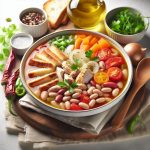
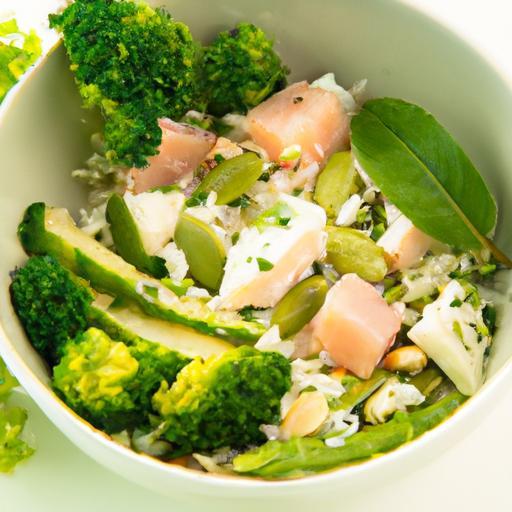
Green Gains have transformed my kitchen philosophy, inspiring exciting ways to embrace sustainability without sacrificing flavor. This vibrant Chickpea & Quinoa Power Bowl celebrates plant-based proteins, fusing earthy chickpeas and fluffy quinoa with fresh veggies and zesty dressing. Originating from the Mediterranean diet, this dish is a celebration of wholesome, eco-conscious eating. Whether you’re easing into plant proteins or a seasoned vegan, this recipe elevates everyday meals into nourishing, earth-friendly feasts.
Prep and Cook Time
Prep: 15 minutes | Cook: 20 minutes | Total: 35 minutes
Yield
Serves 4 generously
Difficulty Level
Easy – perfect for busy weeknights or meal prepping
Ingredients
- 1 cup quinoa, rinsed
- 1 can (15 oz) chickpeas, drained and rinsed
- 1 tbsp olive oil
- 1 tsp smoked paprika
- 1/2 tsp ground cumin
- 1 medium cucumber, diced
- 1 cup cherry tomatoes, halved
- 1 small red onion, finely chopped
- 1/4 cup fresh parsley, chopped
- 1/4 cup fresh mint, chopped
- Juice of 1 lemon
- 2 tbsp tahini
- Salt and pepper to taste
- Optional: 1 avocado, sliced for garnish
Instructions
- Cook quinoa: In a medium saucepan, combine rinsed quinoa with 2 cups water. Bring to a boil, reduce heat, cover, and simmer for 15 minutes or until water is absorbed. Fluff with a fork and set aside to cool slightly.
- Prepare chickpeas: Heat olive oil in a skillet over medium heat. Add drained chickpeas, smoked paprika, and cumin, sautéing until chickpeas are golden and slightly crispy, about 5-7 minutes. Stir occasionally to prevent sticking.
- Mix fresh veggies: In a large bowl, combine diced cucumber, halved cherry tomatoes, red onion, parsley, and mint.
- Make dressing: Whisk together lemon juice, tahini, salt, and pepper in a small bowl until creamy. If too thick, add a teaspoon of water at a time to reach desired consistency.
- Assemble the bowl: Add cooked quinoa and sautéed chickpeas to the veggie mixture. Drizzle with tahini dressing and toss gently to combine.
- Serve: Divide into four bowls. Garnish each with sliced avocado and an extra sprinkle of fresh herbs for a burst of color and creaminess.
Tips for Success
- Quinoa rinsing removes bitter saponins-don’t skip this step to ensure a clean, fresh flavor.
- For added crunch, sprinkle toasted pumpkin seeds or chopped almonds on top before serving.
- Substitute legumes like lentils or black beans if you want to switch up the plant-based protein source.
- Make ahead: Cook quinoa and roast chickpeas a day before to speed up assembly on busy days.
- Adjust seasoning gradually-lemon and tahini can be tangy and rich, so taste as you go.
Serving Suggestions
This bowl shines as a main course but pairs wonderfully with warm flatbread or grilled seasonal vegetables. Adding a dollop of dairy-free yogurt or a sprinkle of sumac will transform its texture and flavor profile effortlessly. For vibrant presentation, plate the bowl in wide, shallow dishes to highlight the colorful layers, and garnish with edible flowers or microgreens for a refined touch.

| Nutrient | Per serving |
|---|---|
| Calories | 370 kcal |
| Protein | 15 g |
| Carbohydrates | 45 g |
| Fat | 10 g |
For more inspiration on earth-friendly recipes and sustainable ingredient swaps, explore our Sustainable Cooking Guide. To deepen your understanding of plant-based proteins’ impact on the planet, visit the FAO’s official resource on sustainable food systems.
Q&A
Q&A: Green Gains – Sustainable Paths to Protein Power
Q1: What does “Green Gains” mean in the context of protein?
A1: “Green Gains” refers to the progress and benefits we achieve by shifting toward environmentally friendly, sustainable sources of protein. It’s about powering our bodies without powering up planet-warming emissions-a win-win for health and Earth alike.
Q2: Why do we need sustainable protein sources now more than ever?
A2: Traditional protein production, especially from livestock, demands massive water, land, and energy inputs and contributes significantly to greenhouse gases. With a growing global population and climate challenges, sustainable proteins offer a smarter, kinder way to nourish ourselves while preserving natural resources.
Q3: What are some examples of sustainable proteins making waves today?
A3: The sustainable protein spotlight shines on plant-based options like lentils, chickpeas, and quinoa; innovative lab-grown meats cultivated from cells; and novel sources like edible insects and algae. Each represents a creative solution to reduce environmental footprints without sacrificing nutrition.
Q4: How does plant-based protein compare nutritionally to animal protein?
A4: Plant proteins can be just as nutritious when combined properly to provide all essential amino acids. While some plant sources are lower in certain nutrients, thoughtful variety in diet or fortification can easily bridge those gaps, delivering wholesome protein power sustainably.
Q5: What role does technology play in advancing sustainable protein?
A5: Technology acts as a green architect, enabling precision fermentation, cell-based meat production, and enhancement of plant protein texture and taste. These innovations make sustainable proteins more accessible, palatable, and scalable, helping them compete with conventional animal products.
Q6: Can switching to sustainable proteins impact global food security?
A6: Absolutely. Sustainable proteins often require fewer resources and can be produced in diverse environments, increasing food availability and resilience. By embracing these paths, we support equitable nutrition and reduce strain on fragile ecosystems.
Q7: How can consumers contribute to the “Green Gains” movement?
A7: Small choices add up! Incorporating more plant-based meals, trying novel protein foods, supporting brands committed to sustainability, and spreading awareness helps shift demand. Every forkful becomes a vote for a greener, healthier future.
Q8: What’s the ultimate vision behind sustainable protein adoption?
A8: The dream is a global food system where nutrition harmonizes with nature-where protein power doesn’t cost the Earth. “Green Gains” herald a future of abundant, ethical sustenance fueling vibrant lives and a thriving planet.
In Summary
As the world pivots toward a future where every bite counts, the journey to sustainable protein isn’t just a trend-it’s a necessary evolution. From pioneering plant-based innovations to tapping into the untapped potential of insects and algae, the green gains we make today lay the foundation for a thriving, resilient tomorrow. Embracing these sustainable paths to protein power means nourishing not only our bodies but also the planet that sustains us. In this unfolding story of innovation and responsibility, every meal becomes a chance to fuel progress, proving that when it comes to feeding the future, sustainability isn’t just an option-it’s the only path forward.