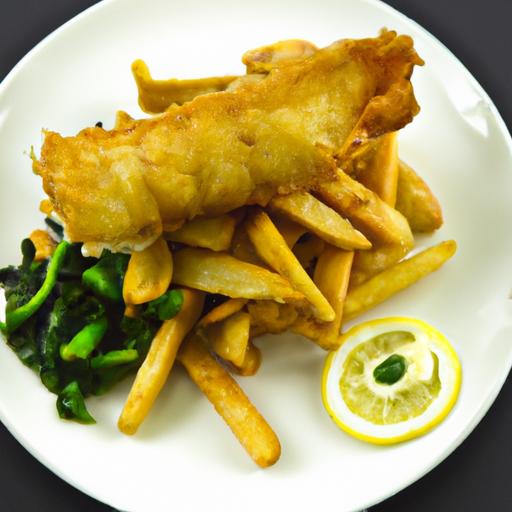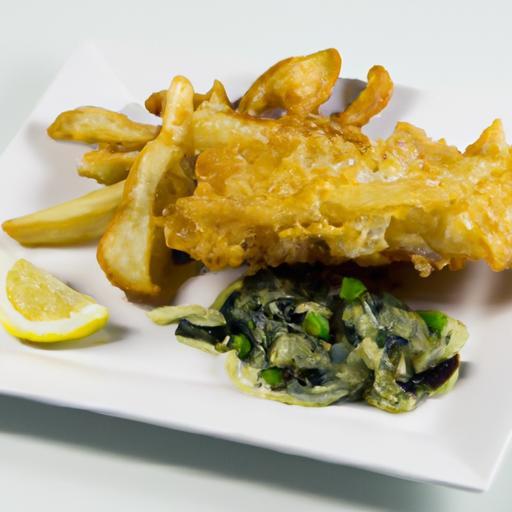

In a world increasingly tuned to the rhythm of sustainability, even the most beloved comfort foods are getting an eco-friendly makeover. Enter “Green Bites: Sustainable Twists on Classic Fish and Chips,” where tradition meets innovation on a plate. This beloved British staple, known for its crispy golden batter and flaky fish, is being reimagined with a conscious nod to the planet. From sourcing responsibly caught fish to vibrant plant-based alternatives, and using locally grown, organic potatoes, these green bites offer more than just a meal-they serve up a story of care, creativity, and culinary forward-thinking. Dive into the delicious journey of flavor and sustainability, and discover how classic fish and chips are evolving to satisfy both your palate and your principles.
Green Bites: Sustainable Twists on Classic Fish and Chips
Green Bites redefine the classic fish and chips experience with a vibrant blend of sustainability, bold flavors, and innovative cooking methods. Originating from cherished British roots, this revamped recipe honors tradition while embracing eco-conscious choices-from opting for responsibly caught fish to exploring mouthwatering plant-based alternatives and frying techniques that protect both health and planet. Whether you’re craving the satisfying crunch of sustainable seafood or the rich zest of vegan twists, this dish invites you to a refreshing culinary journey that’s as delicious as it is green.
Prep and Cook Time
Preparation: 20 minutes | Cooking: 15 minutes | Total: 35 minutes
Yield
Serves 4 generous portions
Difficulty Level
Medium – Ideal for adventurous home cooks ready to elevate a classic dish with new techniques and ingredients.
Ingredients
- 400g sustainable white fish fillets (e.g., Alaskan pollock or line-caught cod)
- 200g firm tofu, pressed and sliced (for vegan option)
- 1 cup all-purpose flour, sifted, plus extra for dusting
- 1 cup chilled sparkling water
- 1 tbsp baking powder
- 1 tsp smoked paprika
- Salt and cracked black pepper, to taste
- 3 large potatoes, cut into thick fries
- 2 tbsp olive oil or avocado oil
- 1 lemon, zested and juiced
- Fresh parsley, finely chopped for garnish
- Plant-based tartar sauce or homemade mayo
- Optional: Fresh seaweed flakes for extra ocean flavor
Instructions
- Prepare your fries: Rinse the cut potatoes under cold water to remove excess starch, then pat dry. Toss with olive oil, salt, and pepper. Spread evenly on a baking tray lined with parchment and bake at 200°C (400°F) for 25-30 minutes, flipping halfway until golden and crisp.
- Make the batter: In a large bowl, whisk together flour, baking powder, smoked paprika, and a pinch of salt. Gradually add the chilled sparkling water, stirring until smooth and thick enough to coat the back of a spoon. Keep the batter cold in the fridge while preparing the fish.
- Prepare the fish or tofu: Lightly dust each fillet or tofu slice with flour, shaking off excess. This helps the batter adhere better and creates a crisp shell.
- Heat your frying oil: Use a deep pan with at least 3cm of oil (preferably sustainable sunflower or avocado oil) and heat to 180°C (350°F). A kitchen thermometer ensures accurate temperature.
- Fry the fillets: Dip each piece into the batter, letting excess drip off, then carefully lower into the hot oil. Fry in batches to avoid overcrowding. Cook for 4-5 minutes, turning once, until beautifully golden and crunchy. Remove with a slotted spoon and drain on paper towels.
- Finish and serve: Plate the crispy fish or tofu alongside the oven-baked fries. Sprinkle fresh parsley and lemon zest over the top, with wedges of lemon on the side. Serve with plant-based tartar sauce or your favorite dip.
Tips for Success
- Fresh, cold sparkling water is the secret to a light, bubbly batter – avoid using room temperature liquid.
- For a robust smoky flavor, add a pinch of smoked paprika or a teaspoon of liquid smoke to the batter.
- Not frying? Try pan-frying the battered fish in minimal oil to preserve crunch with less fat.
- To make ahead, parboil the fries for 5 minutes before baking for crispier results.
- Substitute tofu with tempeh or seitan if you prefer a different texture for vegan fish.
Serving Suggestions
Present these Green Bites on rustic wooden boards lined with parchment paper for a casual, inviting feel. Accompany with a simple green salad drizzled in lemon vinaigrette and a side of mushy peas or pickled cucumbers for contrast. A cold glass of crisp white wine or craft beer elevates the experience, embracing tradition with a sustainable twist.
| Nutrient | Per Serving |
|---|---|
| Calories | 480 kcal |
| Protein | 32g |
| Carbohydrates | 40g |
| Fat | 18g |
You may enjoy exploring more sustainable and plant-based seafood recipes on our Sustainable Seafood Recipes page. For insightful guidance on choosing eco-friendly fish, visit the Marine Stewardship Council.

Q&A
Q&A: Green Bites – Sustainable Twists on Classic Fish and Chips
Q1: What inspired the creation of sustainable fish and chips, or “Green Bites”?
A1: The beloved classic fish and chips dish, while iconic, often relies on overfished species and environmentally taxing farming methods. “Green Bites” emerged from a passion to maintain tradition while protecting our oceans and planet-by swapping out conventional ingredients with sustainable, eco-friendly alternatives, we can enjoy this comfort food with a clear conscience.
Q2: How do Green Bites differ from traditional fish and chips?
A2: At its core, Green Bites respect the familiar flavors and textures but reinvent the components. Instead of using commonly overfished white fish, they often feature responsibly sourced or plant-based “fish” alternatives. The chips may be baked or air-fried, sometimes using root vegetables beyond potatoes, and the batter incorporates whole grains or chickpea flour to boost nutrition and reduce waste.
Q3: What sustainable fish options are used in Green Bites?
A3: Sustainable selections include species like Alaskan pollock, Pacific cod certified by the Marine Stewardship Council, or locally caught, small-scale fish that support biodiversity. Many chefs are also experimenting with seaweed-based products or battered and fried hearts of palm to mimic flaky fish textures.
Q4: Are there any environmental benefits to Green Bites?
A4: Absolutely. By choosing species with healthier populations or plant-based substitutes, Green Bites reduce the pressure on overfished stocks and lower carbon footprints. Using baking or air-frying methods conserves energy, while innovative batters minimize single-use packaging or waste. Supporting local seasonal produce for chips also means fresher food with less transport pollution.
Q5: Can Green Bites satisfy traditionalists who crave classic fish and chips?
A5: Definitely! The magic lies in retaining the crispy, golden-battered experience with the tender “fish” and hot, crunchy chips. Clever seasoning and thoughtful texture ensure that Green Bites feel familiar yet exciting-proving sustainability and indulgence can harmonize on one plate.
Q6: How can home cooks make their own sustainable fish and chips?
A6: Start by sourcing seafood with sustainability certifications or try plant-based fish alternatives available at specialty stores. Make your batter from chickpea flour or whole wheat, and experiment with baking or air-frying your chips. Incorporate locally grown root veggies like sweet potatoes or parsnips alongside potatoes for variety and nutrition. Lastly, serve with homemade tartar sauce using fresh herbs to keep everything wholesome.
Q7: What’s next for the future of sustainable fish and chips?
A7: The future is bright and green! Innovations in aquaculture, lab-grown fish, and seaweed farming promise even more eco-friendly options. Chefs worldwide are bringing artistic flair by infusing traditional dishes with seasonal, zero-waste ingredients. As consumers demand sustainability, fish and chips will continue evolving-conserving oceans one Green Bite at a time.
In Retrospect
As the golden crunch of traditional fish and chips meets the vibrant flavors of sustainability, “Green Bites” redefines a beloved classic for the eco-conscious palate. By embracing plant-based alternatives, locally sourced ingredients, and innovative cooking techniques, this green twist not only delights the senses but also nurtures the planet. So, the next time you crave that comforting combo, remember: sustainability can be just as satisfying as tradition-one crispy, guilt-free bite at a time.