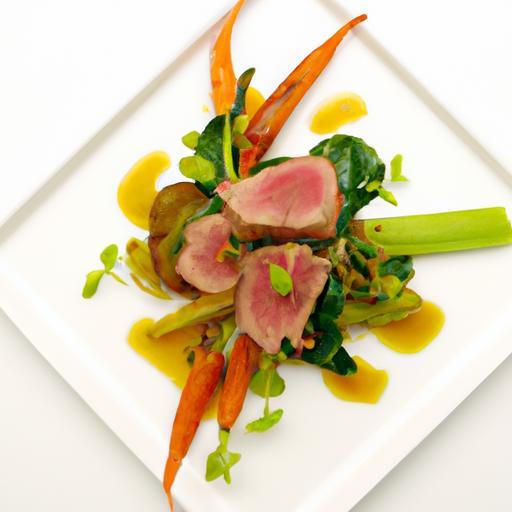

In a world increasingly conscious of its environmental footprint, every meal offers a chance to make a difference-right down to how we preserve our food. Enter the realm of “Green Bites,” where sustainability meets the age-old art of keeping meat fresh. Beyond just extending shelf life, sustainable preservation methods reduce waste, conserve energy, and honor the planet that provides our nourishment. This article takes you on a journey through eco-friendly techniques that not only keep your meat juicy and delicious but also shrink your carbon footprint. Ready to savor every bite with a clear conscience? Let’s explore how green preservation is redefining the way we store and savor our meaty favorites.
Green Bites: Sustainably Preserving Your Meat with Nature’s Best
Green Bites inspires home cooks to embrace eco-friendly meat preservation methods that marry tradition with innovation, reducing food waste and environmental impact. Rooted in age-old wisdom yet enhanced by modern refrigeration strides, these techniques invite you to savor every bite while honoring the planet.
Prep and Cook Time
Preparation: 20 minutes (plus optional marinating/rubbing overnight)
Preservation Duration: 1 day to 6 months depending on method
Yield
Preserves approximately 4 lbs (1.8 kg) of meat, adaptable to smaller or larger batches
Difficulty Level
Medium – ideal for adventurous home cooks eager to learn sustainable practices
Ingredients
- 4 lbs fresh meat (beef, pork, lamb, or poultry), trimmed
- 1 cup coarse sea salt for dry curing
- 1/2 cup organic sugar (brown or white) for curing balance
- 2 tbsp crushed black peppercorns
- Fresh herbs: 3 sprigs rosemary, 3 sprigs thyme, 5 bay leaves
- 2 cups water (filtered, for brine)
- Optional spices: 1 tbsp juniper berries, 1 cinnamon stick
- Reusable natural wrapping materials: clean cotton cloths or fresh herb bundles
- Root cellar or refrigeration unit capable of 34-40°F (1-4°C)
Instructions
- Create your dry cure mixture by blending the sea salt, sugar, crushed peppercorns, and optional spices in a bowl. This balanced mix draws moisture out gently while preserving flavor.
- Prepare the meat: Pat your meat completely dry with kitchen towels. Rub the dry cure mix evenly over every surface, pressing gently to adhere.
- Herbal wrapping: Lay fresh rosemary and thyme sprigs along the meat, then wrap tightly in a clean cotton cloth. Secure with string for airflow yet firm hold.
- Cold storage: Store the wrapped meat in a root cellar or refrigerator between 34-40°F. This harnesses nature’s chill to slow bacterial growth without freezing.
- Monitor and turn: Turn your meat every two days to redistribute moisture and curing agents evenly. Check for any unpleasant odors or excessive moisture – a sign to adjust wrapping or temperature.
- Optional freezing: For longer-term preservation, vacuum seal the cured meat in biodegradable bags and freeze at -4°F (-20°C). Label with date and contents.
- Creative repurposing: Use leftover curing brine to pickle vegetables or craft savory broths, minimizing waste and extending flavors into new dishes.
Tips for Success
- Choosing the right meat: Opt for local, pasture-raised cuts to sharpen sustainability impact.
- Herbal alternatives: Swap rosemary for sage or bay leaves for juniper to experiment with fresh notes.
- Use a thermometer: Regularly monitor storage temperature to maintain optimal preservation conditions.
- Make-ahead: Start your cure 1-3 days ahead of when you plan to use the meat for the best texture and flavor.
- Waste not want not: Collect leftover packaging to compost or reuse for wrapping non-meat items, extending sustainability beyond the kitchen.
Serving Suggestions
After curing, slice the meat thinly and serve at room temperature alongside a rustic bread basket and an assortment of pickled vegetables. Garnish with freshly chopped herbs such as parsley or chives to add a vibrant pop of color. For special occasions, pair with a drizzle of organic extra virgin olive oil and whole grain mustard, turning every bite into a celebration of natural flavors and mindful cooking.

Nutrition Information
| Nutrient | Per 100g |
|---|---|
| Calories | 215 kcal |
| Protein | 28 g |
| Carbohydrates | 0 g |
| Fat | 10 g |
Discover more sustainable cooking ideas
Learn about sustainable food consumption at FAO
Q&A
Q&A: Green Bites – Sustainable Methods to Preserve Your Meat
Q1: What does “sustainable meat preservation” mean?
A1: Sustainable meat preservation involves using eco-friendly techniques that reduce waste, minimize energy consumption, and keep your meat fresh without harming the environment. It’s about balancing tradition with innovation to savor every bite guilt-free.
Q2: Why should I consider sustainable methods over conventional ones?
A2: Conventional methods like excessive refrigeration or plastic wrap harm the planet through high energy use and non-biodegradable waste. Sustainable methods help reduce your carbon footprint, save money, and often improve the flavor and longevity of your meat.
Q3: What are some easy sustainable techniques to preserve meat at home?
A3: Start with natural curing using salt, sugar, and spices to draw out moisture and inhibit bacteria. Try vacuum sealing with reusable bags or beeswax wraps instead of plastic film. Freezing meat in glass containers or compostable paper can also extend shelf life responsibly.
Q4: How does fermentation play into sustainable meat preservation?
A4: Fermentation uses beneficial microbes to create delicious cured meats like salami or saucisson without relying heavily on refrigeration. This ancient method locks in flavor and nutrition while reducing energy use – a true green bite in every slice.
Q5: Can I use solar or alternative energy for meat preservation?
A5: Absolutely! Solar-powered dehydrators can dry jerky or biltong, preserving meat naturally with minimal energy consumption. Innovative communities are even experimenting with solar refrigeration, making sustainable preservation a sunny reality.
Q6: What role does portion control and storage planning play?
A6: Smart planning avoids overbuying and waste. Divide your meat into meal-sized portions before preservation to prevent frequent thawing and refreezing, which shortens shelf life. This simple practice supports sustainability and keeps your green bites fresh.
Q7: Any quick green tips for travelers or campers wanting to preserve meat sustainably?
A7: Pack cured or dried meats that don’t require refrigeration. Use insulated, reusable containers and natural wrapping materials like leaves or cloth. These methods reduce reliance on electricity and plastic even when on the move.
Q8: How does sustainable meat preservation impact food security?
A8: By reducing spoilage and waste, sustainable preservation methods stretch your resources further. They enable communities to store meat longer without expensive infrastructure, enhancing resilience and access to nutritious proteins year-round.
Q9: Where can I learn more or find supplies for sustainable preservation?
A9: Check out local farmers’ markets, eco-friendly kitchen stores, or online platforms specializing in zero-waste and sustainability. Workshops and community groups focused on homesteading or permaculture often offer hands-on tutorials too.
Embrace green bites, and make every slice count – for your palate, your wallet, and the planet!
Wrapping Up
As the aroma of perfectly preserved meat fills your kitchen, remember that every thoughtful choice echoes beyond the plate. Embracing sustainable methods not only extends the life of your meat but also nurtures the planet that sustains us. With “Green Bites,” preserving becomes more than a practice-it transforms into a pledge for a greener future, where flavor and responsibility walk hand in hand. So next time you seal that last piece, know you’re crafting a legacy of care, one bite at a time.