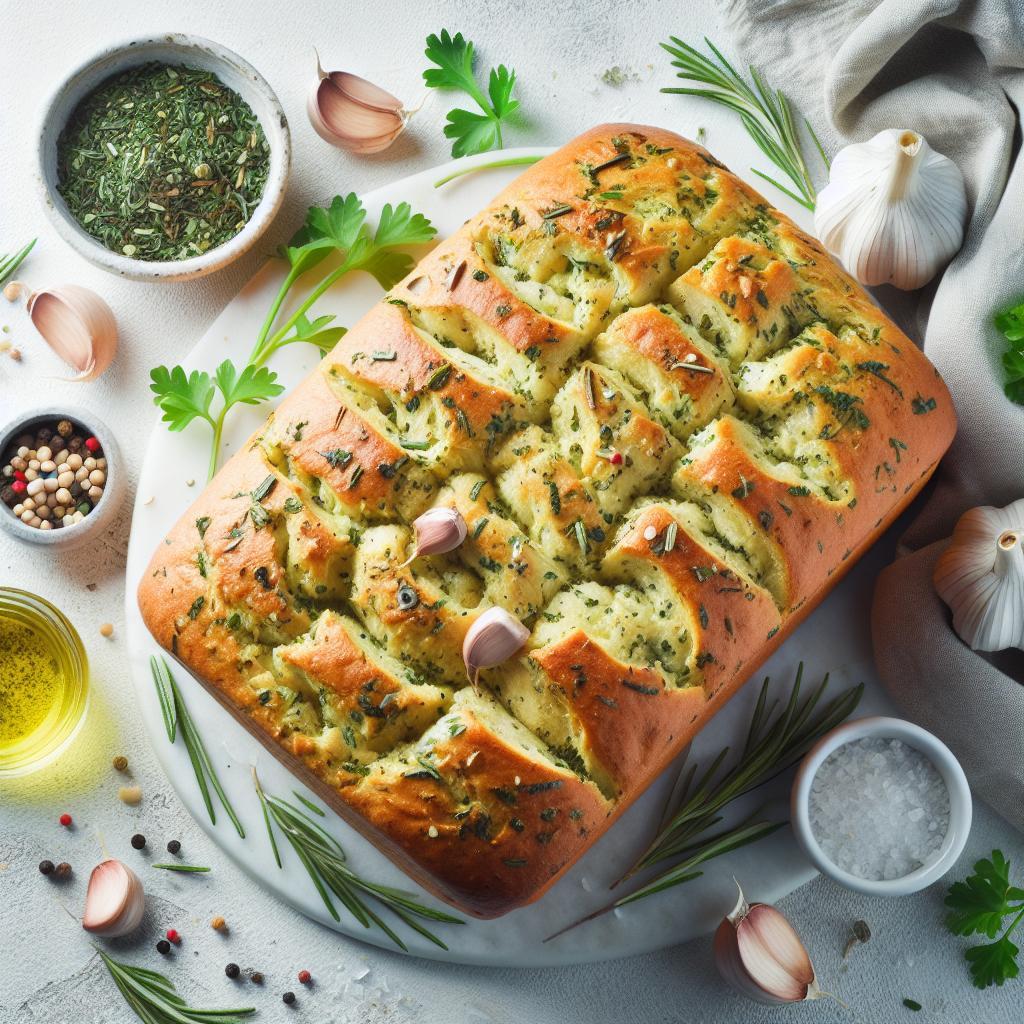

There’s something undeniably magical about the aroma of freshly baked bread wafting through the air – a scent that evokes warmth, comfort, and home. Now, imagine that timeless allure elevated with an aromatic blend of garlic and herbs, transforming everyday bread into an extraordinary culinary delight. Garlic Herb Bread is more than just a side dish; it’s a flavorful twist on classic comfort that awakens the senses and invites you to savor every bite. In this article, we’ll explore the art and science behind this beloved creation, uncovering tips, recipes, and the savory secrets that make garlic herb bread a staple on tables around the world. Whether you’re a seasoned baker or a curious food lover, get ready to discover how a simple loaf can become a symphony of taste and tradition.
Garlic Herb Bread: A Flavorful Twist on Classic Comfort
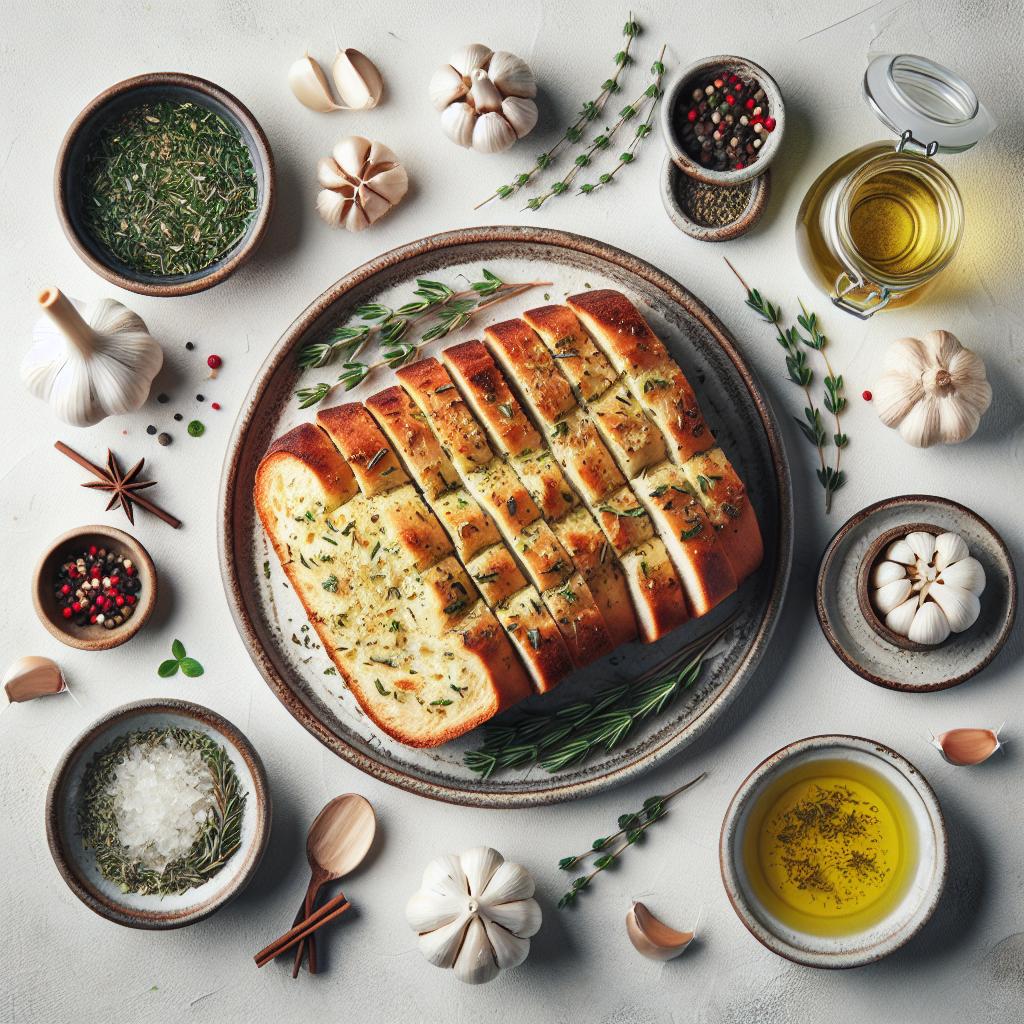
Garlic herb bread elevates traditional bread from a simple staple to a gourmet delight. Infusing fragrant garlic with fresh herbs creates a symphony of aromas and flavors that instantly captivates the senses. This handcrafted loaf draws inspiration from rustic European bakeries where herbs were prized for their ability to transform humble bread into a centerpiece of every meal. Whether you’re serving it alongside soup, salad, or a hearty main, the effortless crunch and herbaceous depth make every bite unforgettable.
Prep and Cook Time
- Preparation: 20 minutes
- Rising: 1 hour 30 minutes
- Baking: 25 minutes
- Total: Approximately 2 hours 15 minutes
Yield
Makes one large artisan loaf (8-10 slices)
Difficulty Level
Medium – perfect for bakers with some yeast experience
Ingredients
- 3 cups all-purpose flour, sifted
- 1 tbsp active dry yeast
- 1 1/4 cups warm water (110°F/43°C)
- 1 tsp sea salt
- 4 tbsp unsalted butter, melted
- 6 cloves garlic, finely minced
- 2 tbsp fresh rosemary, finely chopped
- 2 tbsp fresh thyme leaves
- 2 tbsp fresh parsley, chopped
- 1 tsp olive oil (for garlic infusion)
- Optional: flaky sea salt for finishing
Instructions
- Activate the yeast: In a small bowl, combine warm water and yeast. Let sit for 5-7 minutes until foamy. This confirms your yeast is alive and ready.
- Infuse garlic: Heat olive oil gently in a small pan over low heat. Add minced garlic and sauté until just golden, about 3 minutes. Remove from heat and let cool slightly.
- Mix dough: In a large mixing bowl, combine flour and salt. Pour in the yeast mixture and melted butter. Add the garlic-infused oil (including garlic bits) and herbs-rosemary, thyme, and parsley. Stir with a wooden spoon until the dough begins to form.
- Knead: Turn dough onto a floured surface. Knead for 8-10 minutes until smooth, elastic, and slightly tacky. If dough is too sticky, sprinkle a bit more flour, but avoid adding too much to keep it tender.
- First rise: Place the dough in a lightly oiled bowl, cover with a damp cloth or plastic wrap. Let it rise in a warm spot for 1 hour or until doubled in size.
- Shape loaf: Punch down the dough gently. Shape into an oval or round loaf and place on a parchment-lined baking sheet. Cover loosely and let rise again for 30 minutes to 45 minutes.
- Preheat oven: Heat oven to 425°F (220°C). Place an empty metal baking tray on the bottom rack.
- Prepare loaf for baking: Use a sharp knife to make 3-4 diagonal slashes on top to allow steam to escape and create beautiful texture. Lightly brush the surface with melted butter for a golden crust.
- Create steam in the oven: Just before baking, pour 1 cup hot water into the empty tray at the oven’s base-this generates steam, essential for that crispy, crackly crust.
- Bake: Place bread on the middle rack. Bake for 20-25 minutes until crust is deep golden and loaf sounds hollow when tapped.
- Cool: Transfer bread to a wire rack. Let cool for at least 20 minutes before slicing; this finishing step locks in moisture and flavors.
Chef’s Notes
- For a dairy-free option, substitute melted butter with extra virgin olive oil.
- Fresh herbs provide a vibrant scent, but dried herbs can be used (reduce quantity by half).
- Garlic intensity can be adjusted by roasting cloves beforehand for a milder, sweeter infusion.
- Make-ahead tip: After shaping, refrigerate the dough overnight and bake fresh in the morning for extraordinary flavor development.
- If the crust browns too quickly, tent with foil halfway through baking.
Serving Suggestions
Serve slices warm, slathered with extra virgin olive oil or herb-infused butter. Garnish with a sprinkle of flaky sea salt and a few rosemary sprigs for visual appeal. This garlic herb bread pairs beautifully with:
- Hearty tomato bisques or vegetable stews
- Grilled Mediterranean vegetables
- Fresh garden salads drizzled with balsamic glaze
- Rich mushroom ragouts or dairy-free cheesy spreads
Try using it as a base for bruschetta or as a crouton source, adding an elevated punch of flavor to any dish.

| Nutrient | Per Serving (1 slice) |
|---|---|
| Calories | 180 kcal |
| Protein | 5 g |
| Carbohydrates | 29 g |
| Fat | 5 g |
To explore more artisan bread recipes and elevate your baking skills, visit our Artisan Bread Collection. For detailed insights on the health benefits of fresh herbs, check reputable sources such as Healthline’s garlic benefits article.
Q&A
Q&A: Garlic Herb Bread – A Flavorful Twist on Classic Comfort
Q1: What makes garlic herb bread different from traditional garlic bread?
A1: Garlic herb bread elevates classic garlic bread by incorporating a blend of fresh herbs like rosemary, thyme, and parsley, adding layers of complexity and aromatic freshness. This herb infusion creates a multidimensional flavor that’s both comforting and vibrant, transforming a simple side into an unforgettable treat.
Q2: Which herbs work best in garlic herb bread, and why?
A2: Rosemary, thyme, oregano, and parsley are popular choices. Rosemary brings a piney, resinous note; thyme adds subtle earthiness; oregano contributes a warm, slightly peppery taste; and parsley offers a bright, fresh contrast. Together, these herbs balance the rich garlic and buttery base, providing a harmonious flavor profile.
Q3: Can garlic herb bread be made with different types of bread?
A3: Absolutely! While baguettes and Italian loaves are classics, garlic herb bread shines on ciabatta, sourdough, and even rustic whole-grain breads. Each bread type lends its texture and flavor, from chewy and crusty to soft and airy, offering a tasty canvas for the garlicky, herby butter.
Q4: Is it possible to make a dairy-free version of garlic herb bread?
A4: Yes! Simply swap the butter for olive oil or a vegan butter substitute. Olive oil not only keeps the bread moist but also enhances the herbal notes. Make sure to use fresh garlic and herbs to keep that vibrant infusion, ensuring that no flavor is lost when going dairy-free.
Q5: What are some creative serving ideas for garlic herb bread?
A5: Garlic herb bread is incredibly versatile. It pairs beautifully with soups and stews, acts as a crunchy topping for salads, or becomes a base for bruschetta loaded with colorful veggies. For a fun twist, use it as a dipper for hummus or creamy spreads, or toast slices for a satisfying snack topped with avocado or mushrooms.
Q6: How can I keep garlic herb bread fresh if I want to enjoy it later?
A6: To preserve freshness, wrap the bread tightly in foil or plastic wrap and store it at room temperature for up to two days. For longer storage, freeze slices in an airtight bag. To reheat, warm in the oven wrapped in foil to restore crispness and revive the fragrant garlic herb aroma.
Q7: Are there any tips for achieving perfectly crunchy garlic herb bread at home?
A7: For that ideal crunch, toast the bread in a preheated oven at around 375°F (190°C) until golden brown-usually 10 to 15 minutes. Applying the herb garlic butter generously and evenly ensures every bite bursts with flavor. For extra crispness, broil for a minute or two at the end, but watch carefully to avoid burning.
Q8: Can garlic herb bread be customized with other flavor additions?
A8: Certainly! Additions like sun-dried tomatoes, roasted garlic, or a sprinkle of grated hard cheese (such as Parmesan or Pecorino) can deepen the flavor profile. Experimenting with spices like smoked paprika or a pinch of chili flakes can also add exciting new dimensions, tailoring the bread to your personal taste.
Enjoy creating and savoring your own garlic herb bread-where rustic comfort meets gourmet flair!
In Retrospect
As the comforting aroma of garlic and herbs lingers in your kitchen, it’s clear that this simple twist on classic bread elevates every bite into a savory celebration. Garlic Herb Bread isn’t just a side-it’s an experience, a flavorful bridge between tradition and creativity. Whether paired with a hearty stew or enjoyed fresh from the oven, it invites you to savor the warmth of home with every mouthful. So next time you crave comfort food, remember: a humble loaf and a handful of herbs are all you need to transform ordinary into extraordinary. Happy baking-and even happier tasting!