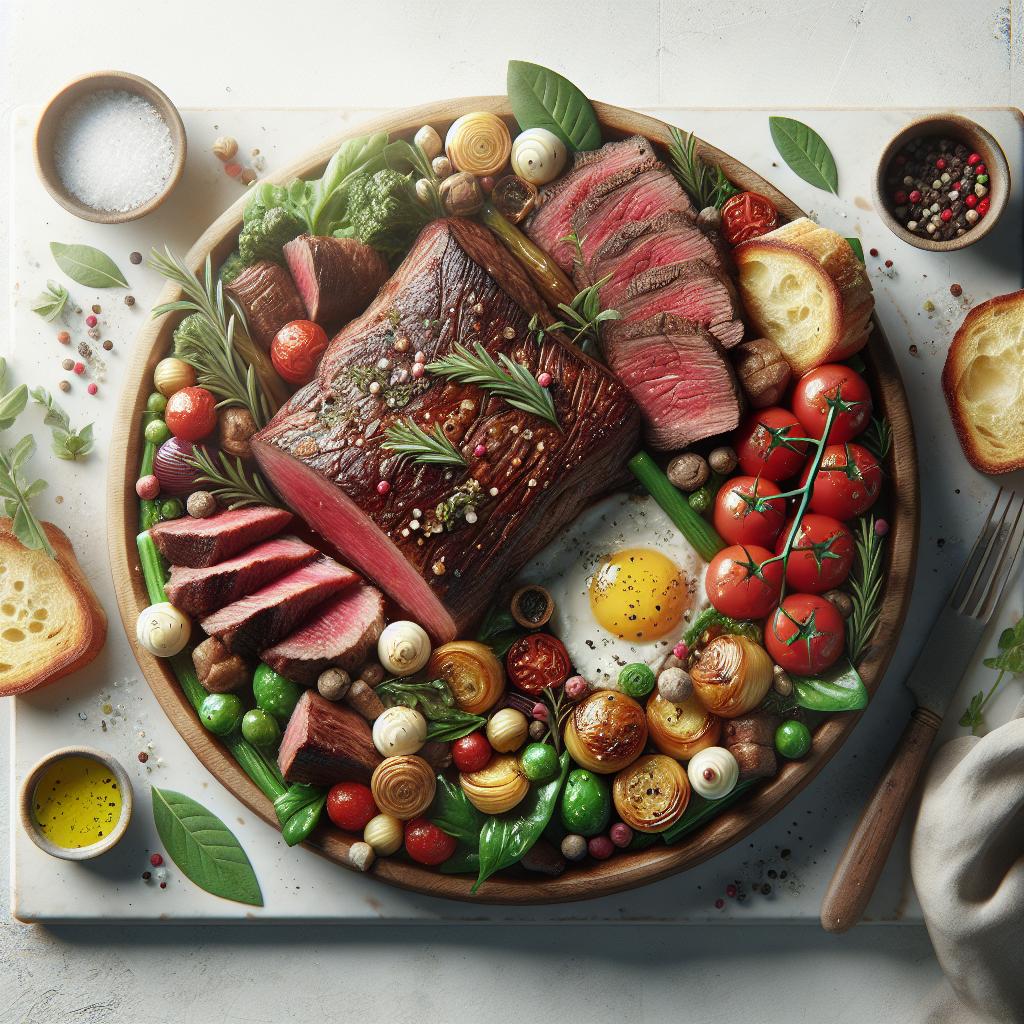
In the evolving world of culinary adventure, one trend is rewriting the rules of what’s possible on the plate: game-changing flexible meals featuring wild meat. These aren’t your typical backyard barbecue fare or everyday roasts-they’re bold, adaptable creations that transform the often overlooked bounty of the wild into sensational dishes bursting with flavor and creativity. Whether you’re an experienced forager, a seasoned hunter, or simply a curious cook seeking to expand your gastronomic horizons, these recipes offer a fresh perspective on how to celebrate wild meat in ways that are as versatile as they are delicious. Join us as we delve into innovative techniques and inspired pairings that turn the raw, rugged essence of wild game into flexible meals fit for any occasion.
Game-Changing Flexible Meals: Creative Recipes for Wild Meat
Embracing game-changing flexible meals unlocks a world of culinary possibilities where wild meat shines as the centerpiece. Whether you’re working with tender venison, robust wild boar, or delicate rabbit, mastering innovative preparation techniques and pairing them with regional herbs and spices transforms each bite into a memorable experience. As a longtime advocate of sustainable cooking, I’ve found that wild meat not only satisfies the palate but also encourages creativity in the kitchen by adapting seamlessly to any cut or portion size you have on hand.
Prep and Cook Time
- Preparation Time: 30 minutes
- Cook Time: 1 hour
Yield
Serves 4 hearty portions
Difficulty Level
Medium
Ingredients
- 2 lbs wild venison shoulder, trimmed and cut into 2-inch cubes
- 2 tbsp olive oil
- 1 large onion, finely chopped
- 4 cloves garlic, minced
- 1 tbsp smoked paprika
- 1 tsp ground coriander
- 2 tsp dried thyme (or 1 sprig fresh)
- 1 tsp crushed juniper berries
- 2 cups beef or vegetable broth
- 1 cup dry red wine
- 2 bay leaves
- 2 large carrots, sliced
- 2 parsnips, diced
- Salt and freshly ground black pepper, to taste
- Fresh parsley for garnish
Instructions
- Marinate the venison: In a large bowl, combine the venison cubes with olive oil, smoked paprika, coriander, dried thyme, crushed juniper berries, salt, and pepper. Toss thoroughly to coat the meat and let it rest for 20-30 minutes to absorb the flavors.
- Sear for flavor: Heat a heavy-bottomed skillet or Dutch oven over medium-high heat. Add the venison in batches, searing until browned on all sides, about 3-4 minutes per batch. Remove and set aside.
- Sauté the aromatics: In the same pot, reduce heat to medium. Add the onion and garlic, sautéing until translucent and fragrant, about 5 minutes, stirring frequently to prevent burning.
- Deglaze the pan: Pour in the red wine, scraping the browned bits off the bottom to capture all the depth of flavor. Let the wine reduce by half, about 5-7 minutes.
- Simmer the stew: Return the venison to the pot. Add broth, bay leaves, carrots, and parsnips. Bring to a gentle boil, then reduce heat to low, cover tightly, and simmer for 1 hour or until the meat is tender.
- Final seasoning: Remove bay leaves, adjust salt and pepper to taste. If the sauce is too thin, increase heat and reduce uncovered for 5-10 minutes to thicken.
- Garnish and serve: Sprinkle with fresh parsley and serve alongside rustic mashed potatoes or roasted root vegetables.
Tips for Success
- For more tenderness, try a light brine (water, salt, and sugar) soak overnight before marinating.
- Use regional herbs like rosemary or oregano to tailor the dish’s flavor profile to your locale.
- If working with leaner cuts such as venison loin, reduce simmering time to prevent drying out.
- This recipe is incredibly versatile-swap venison for wild boar or rabbit, adjusting cook time accordingly.
- Make a day ahead; flavors will deepen beautifully, making it perfect for entertaining.
Serving Suggestions
To complement the rich, earthy flavors of this wild meat stew, serve with creamy polenta or buttered egg noodles. Add a crisp salad of seasonal greens tossed with a zesty vinaigrette to balance the heartiness. Garnish with a fresh sprinkle of chopped parsley or a twist of lemon zest for brightness.
| Nutrient | Per Serving |
|---|---|
| Calories | 450 kcal |
| Protein | 48 g |
| Carbohydrates | 12 g |
| Fat | 18 g |

For more adventures into wild game cuisine, explore our comprehensive wild game cutting and preparation guide. Also, check out authoritative flavor pairing insights at Specialty Food Association.
Q&A
Q&A: Game-Changing Flexible Meals – Creative Recipes for Wild Meat
Q1: What exactly does “flexible meals” mean in the context of wild meat cooking?
A1: Flexible meals are culinary creations designed to adapt easily to whatever wild meat you have on hand-be it venison, rabbit, wild boar, or even game birds. These recipes emphasize versatility, allowing you to swap proteins without losing flavor or texture, making wild meat more approachable and enjoyable for everyday cooking.
Q2: Why should wild meat be incorporated into flexible meal recipes?
A2: Wild meat is not only environmentally sustainable and often leaner than farmed varieties, but it also offers unique, rich flavors that add character to your dishes. Flexible recipes help you showcase these bold tastes while accommodating seasonal availability or your latest hunt, turning every meal into a creative adventure.
Q3: Can you give an example of a flexible meal recipe for wild meat?
A3: Absolutely! Take a rustic wild meat ragù-a slow-cooked sauce that’s forgiving and flavorful. Whether you use diced venison, shredded rabbit, or ground wild boar, the recipe remains the same: simmer your chosen meat with tomatoes, herbs, garlic, and a splash of red wine. Served over pasta, polenta, or roasted vegetables, it’s a hearty, adaptable dish.
Q4: How can one adjust cooking techniques when using different types of wild meat?
A4: The key is understanding the texture and fat content of the meat. Lean cuts like venison benefit from slow, moist cooking methods (braising or stewing) to tenderize. Game birds might need quicker, high-heat approaches like roasting or pan-searing. Flexible meals embrace these nuances by offering adaptable steps-adjust cooking times or add fat sources like bacon or oil to balance dryness.
Q5: Are there any special pantry staples that enhance flexible wild meat meals?
A5: Yes! Stock your pantry with robust herbs (rosemary, thyme, juniper berries), flavorful broths, aromatic spices (smoked paprika, coriander), and versatile bases like onions, garlic, and mushrooms. These ingredients complement the earthiness of wild meat and help transform simple recipes into gourmet experiences regardless of the protein used.
Q6: How can beginners start experimenting with flexible wild meat meals without feeling overwhelmed?
A6: Start by choosing one flexible base recipe-like a stew, chili, or casserole-then substitute the wild meat that’s easiest for you to source. Focus on familiar flavors first and gradually introduce new herbs or spices. The beauty of flexible meals is you can customize according to taste and availability, so play, taste, and learn as you go!
Q7: What’s the biggest benefit of mastering creative, flexible wild meat recipes?
A7: Mastery means freedom in the kitchen. You’ll not only enjoy the satisfaction of turning wild ingredients into mouthwatering dishes but also gain confidence to experiment, reduce waste, and embrace seasonal eating. It’s about turning wild meat from a rarity into a game-changing staple that excites your palate and honors nature’s bounty.
Final Thoughts
As the culinary world continues to embrace innovation and sustainability, flexible meals crafted from wild meat stand at the forefront of a delicious revolution. These creative recipes not only celebrate the rich, untamed flavors of nature but also offer versatility that adapts to every kitchen and palate. Whether you’re a seasoned forager or simply adventurous at heart, incorporating wild game into your meals opens a gateway to boundless taste experiences and nourishment that honors the wilderness. So grab your knives and spices, and let these game-changing dishes inspire you to explore, experiment, and elevate your dining-one wild bite at a time.