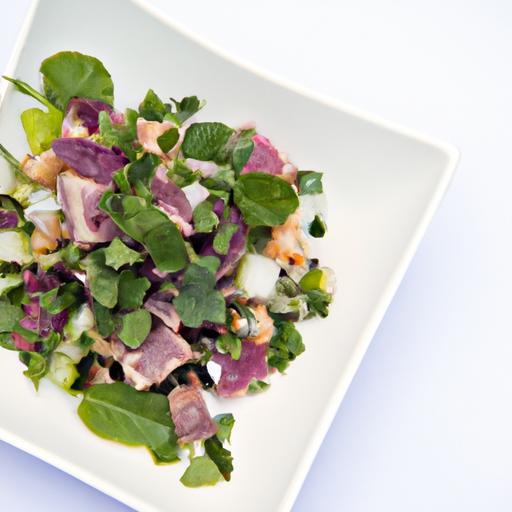

In a world where empty plates meet rising appetites, the quest for sustainable nourishment is no longer a distant dream-it’s an urgent imperative. Welcome to the frontier of food innovation, where sustainability is the spark igniting a revolution in protein production. From lab-grown delicacies to plant-powered powerhouses, the future of our plates is being reimagined with bold creativity and eco-conscious purpose. This article explores how the drive to protect our planet is fueling a protein renaissance, promising not just meals that satisfy hunger, but those that sustain the world for generations to come.
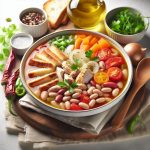
Fueling future plates involves embracing innovative and sustainable ingredients that transform how we nourish ourselves and the planet. This chickpea and quinoa protein bowl exemplifies the power of alternative proteins, marrying vibrant flavors with nutrient-rich components to create a dish that’s as responsible as it is delicious. Inspired by global grain bowls and the rising momentum of circular food systems, this recipe champions a balanced, plant-forward approach that makes sustainability approachable for every kitchen.
Prep and Cook Time
Prep: 15 minutes | Cook: 25 minutes | Total: 40 minutes
Yield
4 servings
Difficulty Level
Medium – Perfect for home cooks eager to explore alternative proteins with straightforward steps and vibrant add-ons.
Ingredients
- 1 cup quinoa, rinsed thoroughly
- 1 can (15 oz) chickpeas, drained and rinsed
- 2 tablespoons olive oil, divided
- 1 teaspoon smoked paprika
- 1 teaspoon ground cumin
- 2 cloves garlic, minced
- 1 small red onion, thinly sliced
- 1 cup cherry tomatoes, halved
- 1 avocado, diced
- 1 cup baby spinach, loosely packed
- Juice of 1 lemon
- Salt and freshly cracked black pepper, to taste
- Fresh parsley, for garnish
Instructions
- Cook the quinoa: Combine quinoa and 2 cups water in a medium saucepan. Bring to a boil, then reduce heat to low, cover, and simmer until water is absorbed, about 15 minutes. Fluff with a fork and set aside to cool slightly.
- Prepare the chickpeas: In a skillet, heat 1 tablespoon olive oil over medium heat. Add the drained chickpeas, smoked paprika, cumin, and a pinch of salt. Sauté until golden and slightly crispy, about 8 minutes, stirring often to prevent sticking.
- Sauté the aromatics: In the same pan, add remaining olive oil and sauté minced garlic and sliced red onion until translucent and fragrant, about 3 minutes.
- Assemble the base: In a large bowl, combine the fluffy quinoa, sautéed chickpeas, garlic, and onions. Add the cherry tomatoes and baby spinach. Toss gently to marry flavors and wilt the greens slightly.
- Dress the bowl: Drizzle with fresh lemon juice, season with salt and freshly cracked black pepper. Mix gently to distribute the dressing evenly.
- Plate and garnish: Divide the quinoa and chickpea mixture among four bowls. Top each with diced avocado and a sprinkle of chopped fresh parsley for a burst of color and freshness.
Chef’s Notes
- Feel free to swap quinoa with other whole grains like farro or brown rice for texture variety while maintaining the alternative protein focus.
- Peppers or roasted sweet potatoes add sweetness and bulk if you want to stretch this bowl further.
- Make ahead by cooking quinoa and preparing chickpeas in advance; assemble just before serving to keep avocado fresh.
- For a bit of heat, add crushed red pepper flakes or a splash of hot sauce.
- If avoiding oil, sauté chickpeas with vegetable broth or water to adhere to low-fat preferences.
Serving Suggestions
This protein-packed bowl shines best served at room temperature or slightly warm. Pair it with a crisp, citrusy white wine or a sparkling water infused with cucumber and mint. Garnish with toasted pumpkin seeds or a sprinkle of nutritional yeast for added umami. Wrap in a large lettuce leaf or serve alongside whole grain flatbreads for a satisfying meal that honors sustainable nutrition.
| Nutrient | Per Serving |
|---|---|
| Calories | 350 |
| Protein | 15g |
| Carbohydrates | 45g |
| Fat | 10g |

Explore more on sustainable cooking techniques in our Sustainable Cooking Techniques article and learn about the science behind alternative proteins at Nature Biotechnology.
Q&A
Q&A: Fueling Future Plates – How Sustainability Sparks Protein Innovation
Q1: What does “fueling future plates” mean in the context of protein innovation?
A1: “Fueling future plates” is a vivid way to describe the process of transforming our food systems by developing new, sustainable protein sources. It means rethinking what’s on our plates to nourish people while protecting the planet, using innovation to create ingredients that are both nutritious and kind to the Earth.
Q2: Why is sustainability such a crucial driver in protein innovation today?
A2: Traditional protein sources like beef and pork are resource-intensive, requiring vast amounts of water, land, and energy, and they contribute significantly to greenhouse gas emissions. Sustainability pushes innovators to find smarter, eco-friendly alternatives that reduce environmental footprints-helping secure food for future generations without exhausting the planet’s resources.
Q3: What are some exciting examples of sustainable proteins reshaping our diets?
A3: The culinary frontier is buzzing with options: plant-based meats crafted from peas, beans, or nuts; cultured meats grown from animal cells in labs; insects packed with protein and using minimal resources; and even single-cell proteins like algae and fungi. These alternatives delight taste buds while slashing carbon footprints.
Q4: How is technology fueling this wave of protein innovation?
A4: Cutting-edge tools like precision fermentation, cellular agriculture, and genetic engineering allow us to mimic the taste and texture of animal proteins without raising or slaughtering livestock. Advanced bioreactors and AI-driven food design accelerate the development of novel proteins, making sustainable options more affordable and accessible.
Q5: What challenges remain in bringing sustainable proteins to everyday tables?
A5: Some hurdles include scaling production to meet global demand, reducing costs, ensuring nutritional parity with traditional meats, and overcoming consumer skepticism rooted in taste preferences or unfamiliarity. Regulatory frameworks and supply chain logistics also need to evolve to support this protein revolution.
Q6: How can consumers contribute to fueling future plates?
A6: Consumers hold immense power through their choices-opting for plant-forward meals, trying innovative protein products, and embracing dietary diversity. Supporting sustainable brands and staying informed about food origins helps drive demand and encourages further innovation.
Q7: What’s the bigger picture impact of protein innovation on global sustainability?
A7: By redefining protein production, we can drastically reduce greenhouse gas emissions, conserve water and land, and enhance food security. This innovation aligns with broader climate goals and supports biodiversity, aiming toward a resilient, inclusive food system that feeds growing populations without compromising the Earth.
This creative Q&A illuminates how sustainability is the spark igniting a revolution in protein, shaping the plates-and planet-of tomorrow.
To Conclude
As the sun sets on traditional protein paradigms, a vibrant dawn of sustainable innovation breaks through the horizon of our future plates. Each bite becomes more than nourishment-it’s a deliberate step toward preserving our planet’s delicate balance. From lab-grown marvels to plant-powered revolutions, sustainability isn’t just inspiring protein innovation; it’s redefining how we connect with food, health, and the Earth itself. The journey ahead is as rich and diverse as the proteins emerging from these pioneering efforts, inviting us all to savor a future where every meal fuels not only our bodies but the world we share.