
Beneath the ocean’s shimmering surface lies a treasure often overlooked-shrimp shells. Once discarded as mere kitchen waste, these humble remnants are now emerging as a golden opportunity for sustainable innovation. “From Waste to Wealth: Crafting Shrimp Shell Stock Upcycled” dives deep into the art and science of transforming shrimp shells into a flavorful, nutrient-rich stock that not only elevates your culinary creations but also champions environmental responsibility. Join us as we explore how this unexpected ingredient is rewriting the story of food waste, turning what was once trash into a tasteful catalyst for change.
From Waste to Wealth: Crafting Shrimp Shell Stock Upcycled
From Waste to Wealth: Crafting Shrimp Shell Stock Upcycled begins with recognizing the untapped nutritional treasure nestled in shrimp shells-a resource that many kitchens overlook. Transforming these discarded shells into a deeply flavorful, mineral-rich stock not only elevates your cooking but champions sustainability in the most delicious way. This guide reveals how to extract every ounce of goodness from shrimp shells, imbuing your dishes with umami complexity while reducing waste in your culinary routine.
Prep and Cook Time
- Preparation: 10 minutes
- Cooking: 45 minutes
- Total Time: 55 minutes
Yield
Approximately 4 cups of rich shrimp shell stock
Difficulty Level
Easy – perfect for beginners and seasoned cooks alike
Ingredients
- 1 pound shrimp shells and heads (rinsed well to remove any impurities)
- 1 medium onion, roughly chopped
- 2 stalks celery, chopped
- 1 large carrot, chopped
- 4 cloves garlic, smashed
- 1 tablespoon tomato paste (adds depth and color)
- 1 teaspoon black peppercorns
- 2 bay leaves
- 6 cups cold water
- Fresh parsley stems (optional, for freshness)
- 1 tablespoon olive oil (for sautéing)
- Salt to taste
Instructions
- Heat olive oil in a large stockpot over medium heat. Add the shrimp shells and heads, sautéing until they turn bright pink and slightly crispy-about 5 minutes. Stir occasionally to ensure even cooking and prevent burning.
- Add chopped onion, celery, carrot, and smashed garlic cloves. Cook for another 5 minutes, stirring gently to soften the vegetables and meld flavors.
- Stir in the tomato paste, cooking it briefly for 2 minutes to deepen its flavor without burning.
- Pour in 6 cups of cold water, and add the peppercorns, bay leaves, and parsley stems if using. Bringing the stock to a gentle simmer, lower the heat to maintain a slow bubble.
- Simmer uncovered for 30 to 40 minutes, skimming off any foam or impurities that rise to the surface to keep your stock clear and clean-tasting.
- Once rich in color and aroma, remove the pot from heat. Strain the stock through a fine-mesh sieve or cheesecloth into a large bowl or another pot to remove all solids. Press gently on the solids to extract every drop of flavor.
- Season with salt to taste. Let it cool before storing, or use immediately in your favorite recipes.
Chef’s Notes
- Variation: For a more aromatic stock, add a few sprigs of thyme or a slice of fresh ginger during simmering.
- Make-Ahead: This stock freezes beautifully. Use ice cube trays to portion it out, perfect for adding in measured amounts to sauces or soups.
- Substitutions: If you can’t get fresh shrimp shells, frozen shells work well too; just thaw thoroughly before starting.
- Tip: Avoid boiling the stock vigorously to prevent a bitter taste and cloudy liquid-maintain a low simmer for the best clarity and flavor.
Serving Suggestions
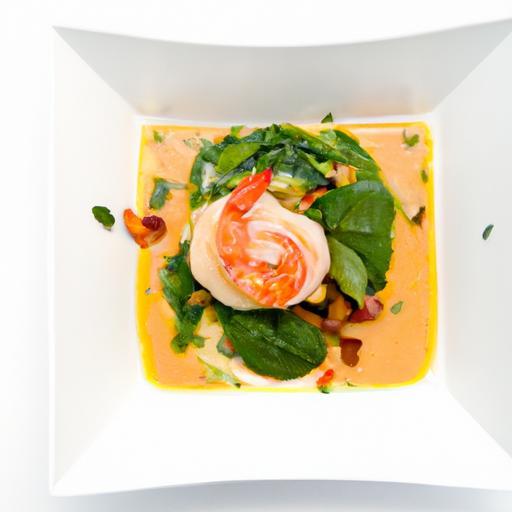
This velvety shrimp shell stock is a magnificent base for seafood risottos, bisques, and light chowders. To elevate your bowls, garnish with freshly chopped chives, a squeeze of lemon, or a drizzle of chili oil for heat. Use it to poach delicate fish or as a luxurious cooking liquid for grain dishes, unlocking gourmet magic with minimal effort. For a stunning presentation, serve soups made with this stock garnished with microgreens and a sprinkle of paprika.

Nutritional Information per 1 cup (240 ml) Serving
| Calories | Protein (g) | Carbs (g) | Fat (g) |
|---|---|---|---|
| 40 | 7 | 2 | 0.5 |
For more inventive ways to use upcycled stocks, check out our comprehensive seafood stock recipes. To understand the nutritional benefits of seafood shells, visit British Nutrition Foundation.
Q&A
Q&A: From Waste to Wealth: Crafting Shrimp Shell Stock Upcycled
Q1: What is shrimp shell stock, and why is it gaining attention?
A1: Shrimp shell stock is a flavorful broth made by simmering discarded shrimp shells and heads. Traditionally, these parts end up as waste, but innovative cooking has transformed them into a rich, umami-packed stock. It’s gaining attention because it not only reduces food waste but also extracts incredible depth of flavor that enhances a variety of dishes.
Q2: How does upcycling shrimp shells contribute to sustainability?
A2: Upcycling shrimp shells turns inedible waste into a valuable kitchen ingredient, significantly cutting down on landfill contributions. By reusing these shells, restaurants and home cooks reduce environmental impact and promote a circular economy in the culinary world-turning what was once trash into treasure.
Q3: What’s the flavor profile of shrimp shell stock?
A3: Shrimp shell stock boasts a savory, slightly briny, and subtly sweet flavor. It carries the ocean’s essence without the heaviness of whole shrimp, offering a delicate balance of sea salt, shellfish sweetness, and aromatic depth from added herbs and vegetables.
Q4: How do you make shrimp shell stock at home?
A4: Start by collecting clean shrimp shells and heads. Sauté them gently in a bit of oil until fragrant and lightly browned. Add aromatics like onion, garlic, celery, and carrots, cover with water, and simmer for about 45 minutes to an hour. Strain the liquid, and voilà-a delicious, versatile stock ready to elevate soups, risottos, or sauces!
Q5: Are there any tips to enhance the taste of shrimp shell stock?
A5: Absolutely! To boost flavor, roast the shells before simmering for a deeper, nuttier taste. Incorporate a splash of white wine or a few sprigs of fresh herbs like thyme or bay leaf during simmering. Also, resist the urge to over-salt; the shells naturally contribute enough salinity.
Q6: What dishes benefit most from shrimp shell stock?
A6: This stock shines in seafood bisques, paellas, risottos, and chowders. It’s also fantastic as a cooking liquid for grains or as a base for sauces, adding complexity that store-bought broths simply can’t match.
Q7: Is shrimp shell stock suitable for everyone?
A7: While it’s a great culinary resource, people with shellfish allergies should avoid it. For others, shrimp shell stock is a nutritious, sustainable way to enjoy the ocean’s bounty without excess waste.
Q8: How does shrimp shell stock exemplify the “waste to wealth” movement in food?
A8: It perfectly captures the ethos of waste to wealth by transforming discarded materials into a coveted ingredient. This innovation encourages mindful consumption, showcases creativity in cooking, and underscores how sustainability and gastronomy can harmoniously coexist.
Q9: Can other seafood shells be upcycled similarly?
A9: Yes! Crab shells, lobster shells, and even fish bones can be used to create equally flavorful stocks. The principles remain the same: harnessing discarded parts to yield rich, aromatic bases that enhance countless dishes.
Q10: Where can I learn more about upcycling food waste in the kitchen?
A10: Numerous cookbooks, blogs, and cooking shows now explore upcycling and sustainable cooking. Look for resources focusing on “nose-to-tail” or “root-to-stem” cooking, and join online communities passionate about reducing kitchen waste through culinary creativity.
The Way Forward
Transforming shrimp shells-once discarded as mere kitchen waste-into a rich, flavorful stock is a striking example of how innovation meets sustainability in the culinary world. By upcycling shrimp shells, we not only reduce waste but also extract hidden value, turning what was once overlooked into a treasured ingredient that enhances our dishes. This journey from waste to wealth serves as a delicious reminder that conscious cooking can nourish both our palates and the planet. As we embrace these sustainable practices, each simmering pot tells a story of resourcefulness, respect, and resilience-inviting us all to savor the rich rewards of thoughtful transformation.