
In a world awakening to the whispers of the earth, the story of lamb is being rewritten-one pasture at a time. From rolling green fields where flocks roam freely to kitchens that celebrate mindful choices, the journey of sustainable lamb is a testament to harmony between nature and nurture. This is not just about a meal; it’s about a movement-where ethical farming meets culinary innovation, and every bite tells a tale of stewardship and respect. Join us as we explore the rise of sustainable lamb, tracing its path from pasture to plate, and discover how conscientious care is transforming an age-old tradition into a future-focused feast.
From Pasture to Plate: The Rise of Sustainable Lamb
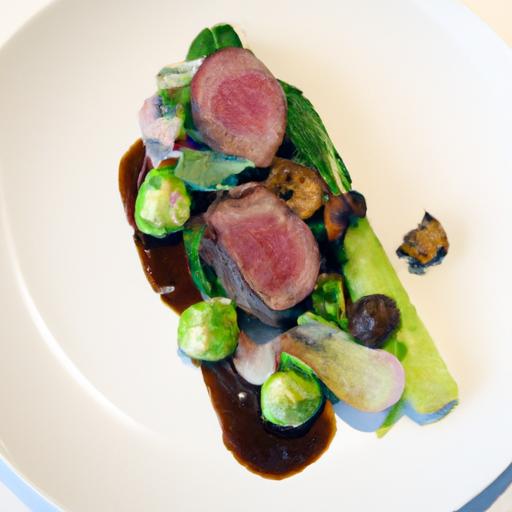
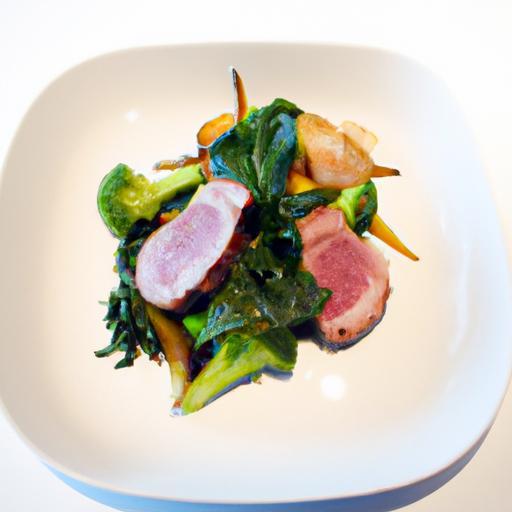
From pasture to plate, the rise of sustainable lamb offers a rich tapestry of tradition, innovation, and conscientious care. This dish celebrates lamb raised under eco-friendly practices that honor both the environment and animal welfare. Inspired by rural farms where the land and livestock thrive in harmony, this recipe highlights the natural flavors and nutritional benefits of sustainable lamb, bringing you a truly nourishing experience with every bite.
Prep and Cook Time
- Preparation: 20 minutes
- Cooking: 45 minutes
- Total Time: 1 hour 5 minutes
Yield
Serves 4
Difficulty Level
Medium
Ingredients
- 1.5 lbs sustainable lamb shoulder, trimmed and cut into 2-inch cubes
- 2 tbsp extra virgin olive oil
- 4 cloves garlic, minced
- 1 large onion, thinly sliced
- 2 sprigs fresh rosemary
- 1 tsp dried thyme
- 1 cup organic diced tomatoes (canned or fresh)
- 1 cup low-sodium vegetable or lamb broth
- 1/2 cup dry white wine (optional, for depth of flavor)
- 2 medium carrots, peeled and chopped
- 1 cup baby potatoes, halved
- Salt and freshly ground black pepper to taste
- Fresh parsley for garnish
Instructions
- Heat the olive oil in a heavy-bottomed pot over medium-high heat. Once hot, add the lamb cubes and sear until browned on all sides, about 5-7 minutes. Remove the lamb and set aside to retain juices.
- In the same pot, add the sliced onion and garlic, sautéing until translucent and aromatic, about 4 minutes. Stir frequently to prevent burning.
- Return the lamb to the pot. Add the rosemary sprigs, dried thyme, diced tomatoes, broth, and white wine if using. Bring the mixture to a gentle simmer, then cover and reduce heat to low.
- Add the chopped carrots and baby potatoes to the pot, stirring gently to combine. Cover again and simmer for 40 minutes, or until the lamb is tender and vegetables are cooked through.
- Season with salt and freshly ground black pepper to taste. Remove rosemary sprigs before serving.
- Garnish with freshly chopped parsley for a burst of color and fresh aroma.
Chef’s Notes
- For a gluten-free option, ensure broth and canned tomatoes are free of additives.
- Substitute lamb shoulder with sustainable lamb leg if preferred; adjust cooking time accordingly.
- To achieve a deeper flavor, marinate the lamb overnight with olive oil, garlic, and herbs before cooking.
- This dish reheats beautifully-store leftovers in an airtight container and refrigerate up to 3 days.
- Consider serving with a side of quinoa or a fresh green salad for a balanced plate.
Serving Suggestions
Plate this sustainable lamb stew alongside creamy mashed potatoes or a rustic whole-grain bread to soak up the savory juices. Garnish generously with freshly chopped parsley and a drizzle of high-quality olive oil for visual appeal and added richness. Pair with a glass of light red wine or a sparkling mineral water infused with lemon for a refreshing contrast.

| Nutrient | Per Serving |
|---|---|
| Calories | 410 kcal |
| Protein | 35 g |
| Carbohydrates | 20 g |
| Fat | 18 g |
To explore more about sustainable lamb and eco-conscious cooking techniques, check out our detailed article on sustainable meat cooking tips. For authoritative insights on ethical farming practices, visit FAO’s Sustainable Agriculture page.
Q&A
Q&A: From Pasture to Plate – The Rise of Sustainable Lamb
Q1: What exactly does “sustainable lamb” mean?
A: Sustainable lamb refers to meat sourced from sheep farms that prioritize environmental health, animal welfare, and social responsibility. This means practices like rotational grazing, reducing carbon footprints, preserving biodiversity, and supporting local communities-ensuring that the land and the animals thrive for generations to come.
Q2: Why is sustainable lamb gaining popularity now?
A: Consumers today are more conscious about where their food comes from and how it’s produced. With climate change and ethical farming in the spotlight, sustainable lamb offers a delicious solution that aligns with people’s values-delivering quality meat without the heavy ecological cost. Plus, chefs and foodies are celebrating its rich flavor and connection to nature.
Q3: How does the journey of lamb from pasture to plate differ in sustainable farming?
A: In sustainable farming, the journey is a mindful one. Sheep graze on well-managed pastures that regenerate the soil and support wildlife, free from excessive chemicals. Farmers use techniques that maintain harmony with nature rather than exploit it. The lamb is then processed locally to reduce transport emissions, ensuring freshness and a smaller carbon footprint by the time it reaches your plate.
Q4: Are there tangible environmental benefits to choosing sustainable lamb?
A: Absolutely! Sustainable lamb farming can improve soil health by enhancing carbon sequestration, reduce methane emissions through better grazing practices, and protect water resources. It also fosters biodiversity by maintaining wild habitats around the pastureland. Together, these efforts help combat climate change and create healthier ecosystems.
Q5: How can chefs and home cooks best highlight the qualities of sustainable lamb?
A: Celebrating sustainable lamb means respecting its natural flavor and texture. Simple, seasonal preparations-like herb-crusted roasts, slow-cooked stews, or grilled chops with fresh garden herbs-allow the meat’s richness to shine. Pairing with local vegetables and grains not only complements the taste but creates a truly farm-to-table experience.
Q6: What role do consumers play in the rise of sustainable lamb?
A: Consumers hold the power to drive change simply by choosing where and how they buy their lamb. Supporting farms and brands committed to sustainability encourages wider adoption of these practices. It also sparks conversations around ethical eating, fostering a food culture that values long-term planet health over short-term convenience.
Q7: Can sustainable lamb be affordable and accessible?
A: While sustainable lamb may sometimes carry a premium due to its careful production, the rise of local farming cooperatives and direct-to-consumer models is improving affordability and availability. Moreover, by valuing quality and sustainability, consumers invest in a food system that’s better for the environment, animal welfare, and rural communities-making every bite more meaningful.
Q8: What’s the future outlook for sustainable lamb?
A: The future shines bright for sustainable lamb as innovation in regenerative agriculture, transparency technologies, and consumer awareness continue to grow. As this movement expands, sustainable lamb could redefine not only taste and quality standards but also how we honor the connection between pasture, plate, and planet.
To Conclude
As the journey from pasture to plate continues to evolve, sustainable lamb emerges not just as a culinary choice, but as a thoughtful commitment to the planet and its future. By supporting regenerative farming practices, reducing environmental footprints, and honoring the traditions of responsible stewardship, we pave the way for a more ethical and flavorful dining experience. In embracing sustainable lamb, we savor more than just meat-we celebrate a harmonious cycle where nature, farmer, and consumer unite in a shared promise: to nourish both body and earth, one delicious bite at a time.