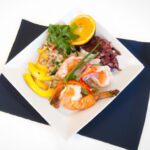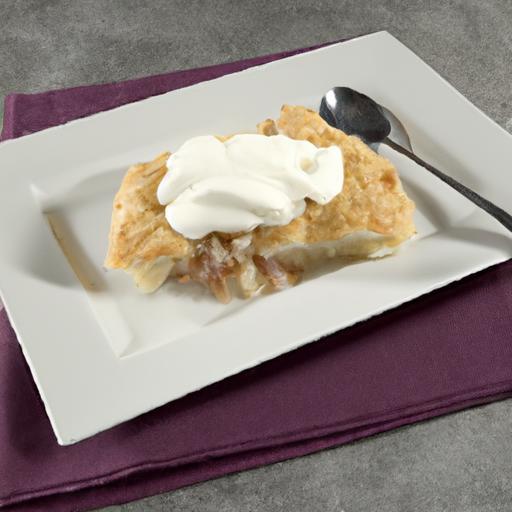

From the shimmering depths of the ocean to the warm embrace of the oven, the journey of a truly sustainable fish pie is a story of mindful choices and culinary creativity. In an era where every ingredient speaks to our responsibility toward the planet, crafting a fish pie that honors both flavor and environmental stewardship becomes an art form. This article dives into the world of sustainable seafood, exploring how selecting the right catch and combining it with seasonal, locally sourced ingredients can transform a traditional comfort dish into a conscious delight. Join us as we navigate the tides of eco-friendly cooking, proving that delicious can also mean responsible-one bite at a time.
From Ocean to Oven: Crafting Sustainable Fish Pie Delights
From Ocean to Oven: Crafting Sustainable Fish Pie Delights begins with the mindful selection of seafood that honors our planet’s bounty. This classic comfort dish gets a fresh, eco-conscious makeover by incorporating responsibly sourced fish and crustaceans, seamlessly blending bold flavors and wholesome nutrition into every luscious bite. Inspired by coastal heritage and a passion for green cooking, this sustainable fish pie not only satisfies cravings but also supports ocean-friendly practices-proving that indulgence and environmental care can beautifully coexist in your kitchen.
Prep and Cook Time
- Preparation: 25 minutes
- Cooking: 40 minutes
- Total Time: 1 hour 5 minutes
Yield
Serves 6 hearty portions
Difficulty Level
Medium – approachable for home cooks ready to explore sustainable seafood techniques
Ingredients
- 500g certified sustainable white fish fillets (e.g., cod or haddock), skin removed and cut into chunks
- 200g sustainably farmed salmon, diced
- 150g eco-certified peeled prawns or shrimp
- 2 tbsp extra virgin olive oil
- 1 medium onion, finely chopped
- 2 cloves garlic, minced
- 1 cup low-fat milk
- 200ml fish or vegetable stock (use sustainably sourced or homemade)
- 3 tbsp whole wheat flour
- 200g frozen peas, thawed
- 100g sweetcorn kernels
- 1 tbsp chopped fresh dill
- 1 tbsp chopped fresh parsley
- 3 large potatoes, peeled and chopped for mash
- 2 tbsp unsalted butter
- Salt and cracked black pepper to taste
- 1 tbsp lemon juice (freshly squeezed)
Instructions
- Start by preparing the mashed potato topping. Boil the peeled potatoes in salted water until tender, about 15 minutes. Drain well and mash with butter, a splash of milk, salt, and pepper until creamy but firm enough to spread. Set aside to cool slightly.
- Preheat your oven to 190°C (375°F).
- Heat olive oil in a large skillet over medium heat. Add chopped onions and sauté until translucent and fragrant, about 5 minutes. Stir in minced garlic and cook for another minute to avoid burning.
- Sprinkle the flour over the onion mixture, stirring constantly to form a roux. Cook for 2 minutes, ensuring the flour is fully absorbed but not browned.
- Gradually pour in the milk and stock while whisking to eliminate lumps. Continue stirring until the sauce thickens, coating the back of a spoon.
- Add the chopped white fish, salmon, and prawns to the sauce. Simmer gently for 5-7 minutes until the fish is just cooked and opaque. Do not overcook to retain tenderness. Stir in peas, sweetcorn, dill, parsley, and lemon juice. Taste and season with salt and pepper.
- Transfer the seafood filling into a deep casserole dish, spreading evenly.
- Top with the creamy mashed potatoes, spreading smoothly. For a golden finish, run a fork lightly over the surface to create texture.
- Bake in the preheated oven for 25-30 minutes until the crust is golden and bubbling at the edges.
- Allow to rest for 5 minutes before serving, letting the flavors meld beautifully.
Chef’s Notes: Tips for Success
- Choose seafood labeled by trusted ecolabels such as MSC (Marine Stewardship Council) or ASC (Aquaculture Stewardship Council) to ensure traceability and sustainability.
- For a lighter option, swap butter for olive oil in the mash and opt for low-fat milk.
- Try adding seasonal root vegetables into the mash for added texture and nutrition.
- Make ahead: Prepare the fish filling the day before, store in the fridge, then assemble and bake when ready for fresher flavors and convenience.
- Use lemon zest instead of juice if you prefer a subtler citrus hint that holds well during baking.
Serving Suggestions
Plate warm pie slices garnished with a sprinkle of fresh parsley or dill and a lemon wedge for brightness. Complement the dish with a crisp side salad of baby spinach, cucumbers, and cherry tomatoes dressed lightly in lemon vinaigrette. For beverages, a chilled glass of dry white wine or sparkling water with herbs will elevate the dining experience.

| Nutrient | Per Serving |
|---|---|
| Calories | 420 kcal |
| Protein | 38 g |
| Carbohydrates | 32 g |
| Fat | 12 g |
Explore more ocean-friendly recipe ideas in our Sustainable Seafood Recipes collection to continue your journey of conscientious eating.
Q&A
Q&A: From Ocean to Oven: Crafting Sustainable Fish Pie Delights
Q1: What does “From Ocean to Oven” mean in the context of crafting sustainable fish pies?
A1: “From Ocean to Oven” captures the journey of fish from their natural marine habitats straight to your kitchen, emphasizing freshness, sustainability, and mindful sourcing. It’s about honoring the ocean’s bounty while ensuring that every fish pie you create supports the health of our seas and local fishing communities.
Q2: Why is sustainability important when making fish pies?
A2: Sustainability ensures that fish populations remain abundant and ecosystems stay balanced for generations to come. By choosing sustainably sourced fish, you prevent overfishing, reduce environmental impact, and promote biodiversity-all while enjoying a delicious, guilt-free meal.
Q3: How do I select sustainable fish for my pie?
A3: Look for certifications like MSC (Marine Stewardship Council) or labels indicating responsibly caught or farmed fish. Favorite sustainable choices include cod, haddock, pollock, and certain types of line-caught or pole-and-line tuna. Local and seasonal options are also excellent picks that support smaller fisheries.
Q4: Can plant-based alternatives be incorporated without losing the authentic fish pie flavor?
A4: Absolutely! Ingredients like seaweed, smoked tofu, or jackfruit can mimic the ocean’s flavors and textures, offering tasty and sustainable alternatives. With clever seasoning-think sea salt, lemon zest, and fresh herbs-you can craft a pie that honors tradition while embracing innovation.
Q5: What are some creative twists to make my sustainable fish pie unique?
A5: Try layering your pie with root vegetables like parsnips or swede for earthy sweetness, adding a vibrant herb crust, or incorporating a creamy sauce made from oat milk or almond cream. Experiment with spices like smoked paprika or a hint of saffron to elevate the pie’s profile while keeping it eco-friendly.
Q6: How can home cooks reduce waste when preparing fish pies?
A6: Use fish skin to make crispy garnishes, turn bones into rich stock, and save peelings from vegetables to craft flavorful broths. Compost scraps when possible and opt for reusable containers to store leftovers. Every small step minimizes waste and maximizes your pie’s goodness.
Q7: What’s the best way to enjoy my sustainable fish pie?
A7: Serve it warm, fresh from the oven, alongside a crisp green salad or steamed seasonal greens. Pour a glass of chilled white wine or a light herbal tea, sit back, and savor with gratitude for the ocean’s generous gift-nurtured thoughtfully from ocean to oven.
In Summary
As we close the chapter on our journey from ocean to oven, it’s clear that crafting a sustainable fish pie is more than just a culinary endeavor – it’s a mindful celebration of our planet’s precious resources. By choosing responsibly sourced seafood, honoring traditional flavors, and embracing eco-friendly practices, we create dishes that nourish both body and conscience. So next time you savor that comforting slice of fish pie, remember the story behind every bite: a commitment to keeping our oceans vibrant, our kitchens inspired, and our future deliciously sustainable.