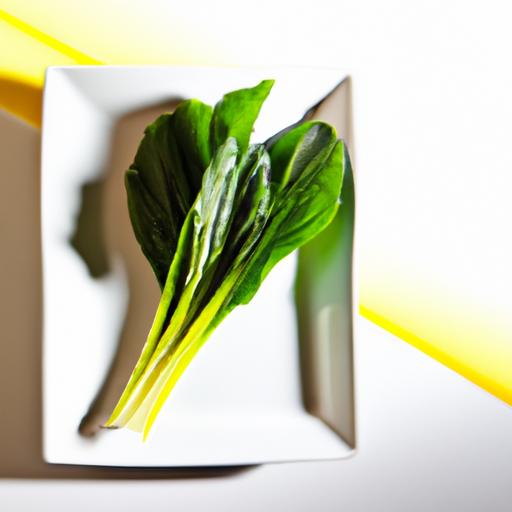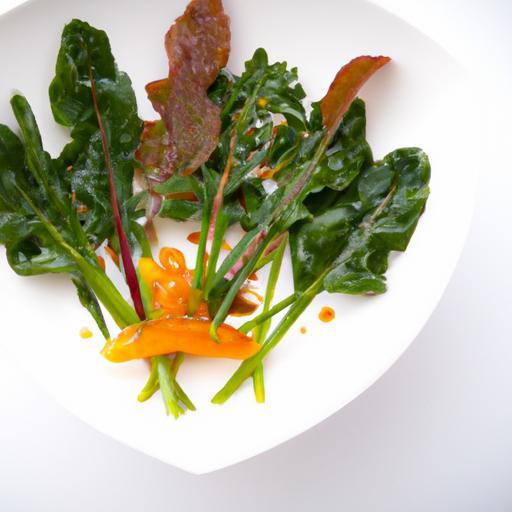

When winter’s chill settles in, hearty greens become the shining stars of our plates-brilliant kale, tender spinach, vibrant Swiss chard, and their leafy friends. Yet, as beautifully fresh as these winter greens arrive at the market, their journey from crisp to limp often feels heartbreakingly fast. But fear not! With a little savvy and some smart storage strategies, you can extend the life of your winter greens, keeping them fresh, vibrant, and nutrient-packed well beyond purchase day. Dive into these clever tips and tricks that will transform your winter greens from swift spoilage victims to crisp, delicious delights throughout the season.
Fresh & Crisp are the keys to celebrating the vibrant flavors of winter greens. Understanding the delicate balance between freshness and spoilage empowers you to enjoy every leaf at its peak. Winter greens, such as kale, collards, Swiss chard, and mustard greens, tend to spoil rapidly when exposed to excess moisture, improper temperature, or inadequate air circulation. This guide unveils essential storage and preparation methods that preserve their nutrient-rich profile and enticing texture, while also sharing inventive ways to revitalize greens before they lose their charm.
Prep and Cook Time
- Preparation: 10 minutes
- Cooking: 8-12 minutes
- Total: 18-22 minutes
Yield
- Serves 4 as a side or light main dish
Difficulty Level
- Easy to Medium
Ingredients
- 1 lb fresh winter greens (kale, Swiss chard, mustard greens), thoroughly rinsed and trimmed
- 2 tbsp extra virgin olive oil
- 3 cloves garlic, thinly sliced
- 1/4 tsp red chili flakes (optional)
- 1/2 tsp sea salt
- 1 tbsp fresh lemon juice
- Freshly ground black pepper, to taste
Instructions
- Prepare the greens: After washing, dry the greens gently using a salad spinner or by patting with a clean towel to remove excess moisture-this minimizes spoilage.
- Store optimally: Wrap the greens loosely in a damp paper towel and place them inside a perforated plastic bag or vented container. Refrigerate at 32-36°F (0-2°C) to maintain crispness and flavor.
- Heat the oil: In a large sauté pan over medium heat, warm the olive oil. Add the sliced garlic and red chili flakes, cooking until fragrant and the garlic turns golden-about 2 minutes.
- Sauté the greens: Add the winter greens to the pan, tossing to coat with the garlic oil. Stir continuously until wilted but still vibrant, about 5-7 minutes. Avoid overcooking to retain texture and nutrients.
- Season and finish: Sprinkle the salt and freshly cracked black pepper, then drizzle with lemon juice. Toss gently and remove from heat immediately to preserve freshness.
- Repurpose creatively: If you notice the greens are nearing the end of their freshness, consider chopping and mixing them into frittatas, soups, or blending into vibrant smoothies to maximize nutrient intake.
Tips for Success
- Store your winter greens in a crisp, cool spot of the fridge with good airflow. Avoid sealing them tightly, which encourages moisture buildup and accelerates spoilage.
- For longer life, consider blanching and freezing excess greens. This technique preserves their deep green hue and nutrients while making winter meal prep effortless.
- If texture softens but flavor remains, revitalize greens by quickly flash-sautéing with garlic and a squeeze of lemon to brighten the taste.
- Experiment with variety: turn tougher stems into crunchy slaws or pickle them for an acidic punch in sandwiches.
Serving Suggestions
- Serve sautéed winter greens as a vivid side dish, garnished with toasted pine nuts or shaved Parmesan to add textural contrast.
- Top roasted winter vegetables or grain bowls with these greens for an earthy, fresh balance.
- Drizzle with a balsamic glaze or nutty tahini dressing for an added flavor dimension.
- Serve alongside a rustic multigrain bread to soak up the garlicky, lemony oils.

| Nutrient | Per Serving |
|---|---|
| Calories | 85 kcal |
| Protein | 3 g |
| Carbohydrates | 6 g |
| Fat | 6 g |
Maintaining your winter greens as fresh & crisp as possible is a culinary delight that elevates every meal. For deeper insights into preserving your garden’s bounty, explore our detailed guide on storing fresh herbs. To learn more about the science of vegetable preservation, reputable sources like Purdue University Extension provide excellent food storage resources.
Q&A
Q&A: Fresh & Crisp – Smart Tips to Cut Winter Greens Spoilage
Q1: Why do winter greens spoil faster than other vegetables?
A1: Winter greens like kale, Swiss chard, and collards are delicate and packed with moisture. When exposed to fluctuating temperatures and excess humidity, they tend to wilt, turn slimy, or develop yellow spots quickly. Their leafy nature makes them especially vulnerable to spoilage if not stored properly.
Q2: What’s the number one rule for keeping winter greens fresh?
A2: Keep them cool and dry! Cold temperatures slow down enzymatic activity and bacterial growth, while dryness prevents excess moisture buildup that leads to decay. Store your greens in the crisper drawer of the fridge, ideally wrapped loosely in paper towels inside a breathable container.
Q3: Should I wash my winter greens before storing them?
A3: It’s best to wait. Washing before storage adds moisture, which speeds up spoilage. Instead, rinse your greens just before use and dry them thoroughly with a salad spinner or paper towels to maintain crispness.
Q4: Can I freeze winter greens to extend their shelf life?
A4: Absolutely! Blanching winter greens for a minute or two in boiling water, then plunging them into ice water before freezing helps preserve flavor, color, and nutrients. Frozen greens are perfect for soups, smoothies, and sautés even after months in the freezer.
Q5: How do I know if my winter greens are still good to eat?
A5: Look for vibrant color and firm, crisp leaves. Avoid any with mushy spots, discoloration, or unpleasant smells. If only a few leaves are damaged, trim them off to save the rest. When in doubt, trust your senses-fresh winter greens should smell clean and look lively.
Q6: Any insider hacks to reduce winter greens waste?
A6: Yes! Consider these tips:
- Use vegetable scraps to make a nourishing green broth.
- Wrap loose leaves around fillings to make nutritious wraps or rolls.
- Blend slightly wilted greens into pesto or smoothies rather than tossing them.
Q7: How can packaging affect winter greens’ shelf life?
A7: Packaging that allows airflow helps reduce moisture buildup. Avoid airtight bags that trap condensation. Instead, use perforated plastic bags or reusable produce bags paired with paper towels to absorb excess moisture. This balance keeps your greens fresh and crisp longer.
Keeping your winter greens fresh is easier than you think with a little care and know-how. Embrace these smart tips and enjoy your fresh, crisp greens through the chilly months!
Closing Remarks
As the chilly months settle in, keeping your winter greens fresh and crisp no longer has to be a battle lost to spoilage. With these smart tips in your kitchen arsenal, you can extend the life of your vibrant leafy treasures, savoring every nutrient-packed bite long after harvest. Embrace the season with confidence, turning the art of preservation into a simple, satisfying ritual. After all, winter greens are not just a cold-weather crop-they’re a fresh opportunity to nourish your body and brighten your table, one crisp leaf at a time.