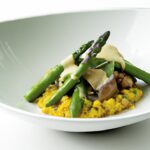
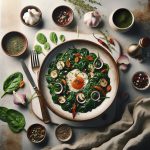
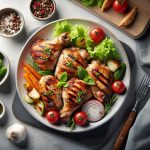
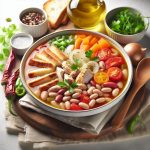
In a world where dietary choices often feel like an all-or-nothing gamble, the flexitarian diet emerges as a refreshing middle ground-a harmonious blend of flexibility and health. Imagine savoring the vibrant flavors of plant-based meals while occasionally indulging in the richness of animal proteins, all without the rigid restrictions that typically accompany strict eating plans. This balanced approach not only nurtures the body but also adapts gracefully to the rhythms of modern life. Welcome to the flexitarian lifestyle, where mindful eating meets freedom, creating a sustainable path to well-being that anyone can embrace.
Flexitarian diet enthusiasts will find a wealth of inspiration in this adaptable, nutrient-rich approach that blends plant-based living with occasional animal proteins. This style honors wholesome ingredients while encouraging vibrant, creative plates that balance nutrition and flavor effortlessly. Rooted in the intention to nourish body and soul, flexible eating is both a lifestyle and a cuisine that opens doors to a world of health rewards and culinary exploration.
Prep and Cook Time
Preparation: 15 minutes | Cooking: 25 minutes | Total Time: 40 minutes
Yield
4 generous servings
Difficulty Level
Easy – Medium
Ingredients
- 1 ½ cups quinoa, rinsed and drained
- 3 cups low-sodium vegetable broth
- 1 medium red bell pepper, diced
- 1 cup cherry tomatoes, halved
- 1 medium zucchini, diced
- 1 cup cooked chickpeas, drained and rinsed
- 2 tablespoons extra virgin olive oil
- 1 teaspoon smoked paprika
- 2 cloves garlic, minced
- ½ teaspoon cumin
- Juice of 1 lemon
- ¼ cup fresh parsley, chopped
- Salt and freshly ground black pepper, to taste
Instructions
- Cook the quinoa: In a medium saucepan, combine quinoa and vegetable broth. Bring to a boil over medium-high heat, then reduce to a simmer, cover, and cook for 15 minutes or until the liquid is absorbed and quinoa is fluffy. Remove from heat and let it sit covered for 5 minutes.
- Prepare the vegetables: While quinoa cooks, heat olive oil in a large skillet over medium heat. Add the minced garlic and sauté for 1 minute until fragrant.
- Sauté the veggies: Add diced red bell pepper and zucchini to the skillet. Cook, stirring occasionally, for 5-7 minutes until tender but still vibrant.
- Season: Stir in smoked paprika, cumin, salt, and pepper. Mix well to coat the vegetables in aromatic spices.
- Add chickpeas and tomatoes: Fold in the chickpeas and halved cherry tomatoes. Cook for another 3 minutes, allowing tomatoes to soften but retain shape.
- Combine and finish: Fluff the cooked quinoa with a fork and transfer it to the skillet with veggies. Stir gently to combine all ingredients evenly.
- Lemon and herbs: Remove skillet from heat, drizzle with fresh lemon juice, and sprinkle with chopped parsley. Toss lightly to infuse bright, fresh notes.
- Serve warm: Portion onto plates and garnish with additional parsley or lemon wedges if desired.
Chef’s Notes: Tips for Success
- For added protein, toss in toasted pine nuts or a sprinkle of feta cheese just before serving.
- Substitute quinoa with brown rice or bulgur for a different texture and flavor profile.
- Make ahead: This dish reheats well and can be stored in an airtight container in the fridge for up to 3 days, perfect for meal prep.
- Use seasonal vegetables to keep this recipe fresh and exciting year-round.
- To enhance the smoked flavor, try adding a pinch of smoked sea salt instead of regular salt.
Serving Suggestions
This flexible dish pairs beautifully with a crisp green salad dressed lightly with lemon vinaigrette. For an extra burst of color and flavor, garnish with edible flowers or a scattering of pomegranate seeds. Serve alongside warm whole-grain flatbreads to round out the meal or enjoy as a comforting bowl garnished with creamy avocado slices.
| Nutritional Info (per serving) | Calories | Protein | Carbs | Fat |
|---|---|---|---|---|
| Quinoa & Veggie Medley | 320 | 11g | 45g | 7g |

Discover more about balanced, plant-focused meals in our Plant-Forward Meal Planning guide. For comprehensive nutritional advice on flexible eating lifestyles, visit the Harvard T.H. Chan School of Public Health.
Q&A
Q&A: Flexitarian Diet – The Balanced Blend of Flexibility & Health
Q1: What exactly is a flexitarian diet?
A1: The flexitarian diet is the best of both worlds-a mostly plant-based eating style that welcomes occasional meat and animal products. Think of it as a flexible vegetarian approach, where plants are the star, but with room for occasional culinary guest appearances by meat, fish, or dairy.
Q2: How does the flexitarian diet differ from vegetarian or vegan diets?
A2: Unlike strict vegetarian or vegan diets that exclude animal products entirely, the flexitarian diet embraces flexibility. It prioritizes veggies, fruits, grains, nuts, and legumes but doesn’t demand total abstinence from meat. It’s less about restriction and more about mindful moderation.
Q3: Why has the flexitarian diet gained popularity?
A3: People are craving balance! The flexitarian diet is appealing because it’s sustainable, less intimidating, and easier to stick with long-term than rigid diets. It aligns with environmental consciousness, health benefits, and the desire for diverse, enjoyable meals without feeling deprived.
Q4: What are the health benefits of following a flexitarian diet?
A4: Studies suggest flexitarians enjoy improved heart health, better weight management, and reduced risk of diabetes. Rich in fiber, antioxidants, and plant-based nutrients, this diet supports digestion, boosts immunity, and promotes overall vitality-all while keeping meat consumption in check.
Q5: Can eating flexitarian style help the planet?
A5: Absolutely! By reducing overall meat intake, the flexitarian diet lowers greenhouse gas emissions, conserves water, and lessens land use compared to traditional meat-heavy diets. Every veggie-forward meal is a small but powerful step toward a greener planet.
Q6: How can one start adopting a flexitarian lifestyle?
A6: Begin with baby steps-try Meatless Mondays, incorporate more beans and grains, or experiment with plant-based recipes. Focus on adding, not just cutting out. The goal is to enhance your diet with plants, making animal products occasional, not central.
Q7: Is the flexitarian diet suitable for everyone?
A7: For most people, yes! It offers the flexibility to customize food choices based on individual health needs, cultural preferences, and ethical values. However, it’s wise to consult a healthcare professional if you have specific dietary restrictions or health conditions.
Q8: Any favorite flexitarian-friendly foods or recipes to recommend?
A8: Bring on lentil tacos, roasted veggie bowls, chickpea curries, or grilled salmon with quinoa salad. The flexitarian palette is vibrant and varied-using fresh, seasonal ingredients to craft meals that nourish and delight.
Q9: How is the flexitarian mindset different from dieting in general?
A9: Instead of rigid rules or calorie counting, flexitarianism promotes flexibility, mindfulness, and enjoyment. It’s about embracing food as an ally for health and the planet while honoring personal tastes and lifestyle, making it more of a joyful journey than a strict regimen.
Q10: What’s the ultimate takeaway about the flexitarian diet?
A10: The flexitarian diet is a harmonious dance between nutrition and adaptability. It encourages us to savor the goodness of plants without guilt, welcome occasional meat with gratitude, and create a balanced, sustainable lifestyle that nurtures our bodies and the earth. Flexibility is the new superfood!
The Way Forward
In a world where dietary choices often feel rigid and restrictive, the flexitarian diet emerges as a refreshing middle ground-a harmonious blend of flexibility and health. It invites us to savor the vibrant flavors of plant-based living while still honoring our occasional cravings for animal products. By embracing this adaptable approach, we not only nourish our bodies but also foster a more sustainable relationship with the planet. The flexitarian diet isn’t just a trend; it’s an evolving lifestyle that empowers you to take charge of your wellness journey without the pressure of perfection. So, whether you’re a committed carnivore curious about plants or a vegetarian looking to reintroduce variety, the flexitarian way offers a balanced path toward a healthier, happier you.