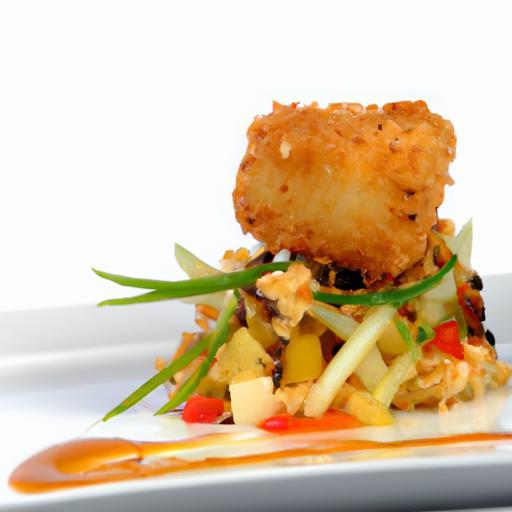

When it comes to savoring seafood, the spotlight often falls on fillets and tails, leaving hidden treasures overlooked. Enter the crispy nose-to-tail halibut cheeks fry-a culinary revelation that celebrates every morsel of this majestic fish. These tender, flavorful morsels, delicately fried to golden perfection, offer a symphony of textures and tastes that seafood aficionados crave. In this article, we dive deep into the art and allure of transforming humble halibut cheeks into a crispy delicacy that elevates nose-to-tail eating to new, mouthwatering heights. Join us as we explore why this underrated cut deserves a starring role on your plate and how to achieve that irresistible crunch at home.
Crispy Nose-to-Tail Halibut Cheeks Fry: A Seafood Delight
Crispy nose-to-tail halibut cheeks fry is a culinary treasure waiting to be discovered by seafood enthusiasts. These succulent morsels, nestled just beneath the fish’s eyes, offer a delicate texture and subtly sweet flavor that stand apart from traditional fillets. Originating from coastal communities where every part of the fish is cherished, halibut cheeks have gained recognition for their melt-in-the-mouth quality and crave-worthy crispiness when fried perfectly. This dish is a celebration of nose-to-tail eating, highlighting sustainability and flavor in equal measure.
Prep and Cook Time
Preparation: 15 minutes
Cooking: 10 minutes
Total: 25 minutes
Yield
Serves 4
Difficulty Level
Medium
Ingredients
- 12 fresh halibut cheeks, skin-on and patted dry
- 1 cup all-purpose flour, sifted
- 1 teaspoon smoked paprika
- 1 teaspoon sea salt
- ½ teaspoon freshly ground black pepper
- 2 large eggs, lightly beaten
- 1 cup panko breadcrumbs
- 1 tablespoon fresh lemon zest
- Vegetable oil, for frying (enough to cover cheeks halfway)
- Fresh parsley, finely chopped (for garnish)
- Lemon wedges, to serve
Instructions
- Prepare the dredging stations: In three shallow bowls, place the sifted flour mixed with smoked paprika, salt, and pepper; the beaten eggs; and the panko breadcrumbs combined with fresh lemon zest.
- Coat the halibut cheeks: Lightly dredge each cheek in the flour mixture, shaking off excess. Dip into the beaten eggs fully, then press gently into the panko mixture, coating evenly for an extra-crispy shell.
- Heat the oil: In a deep skillet or cast-iron pan, heat vegetable oil to 350°F (175°C). The oil should be enough to cover the cheeks halfway for optimal frying.
- Fry to golden perfection: Carefully place halibut cheeks in the hot oil, ensuring not to overcrowd the pan. Fry for 3-4 minutes per side until the panko crust is golden and crisp. Turn gently using tongs to maintain the crust’s integrity.
- Drain and rest: Transfer the fried cheeks to a wire rack over paper towels to drain excess oil, preserving their crunch. Rest for a minute to keep juiciness locked inside.
Tips for Success
- Moisture matters: Pat the halibut cheeks completely dry; excess moisture can cause the coating to slip and oil to splatter.
- Temperature control: Use a digital thermometer to maintain oil temperature at 350°F for even frying without soggy or burnt crusts.
- Panko power: Incorporating lemon zest into the breadcrumbs adds brightness complementing the cheeks’ sweetness.
- Make-ahead: Coat the cheeks up to step 2, refrigerate in a single layer for up to 2 hours, then fry fresh for best results.
- Alternative coatings: For a gluten-free version, substitute all-purpose flour and breadcrumbs with rice flour and crushed gluten-free crackers.
Serving Suggestions
Serve your crispy nose-to-tail halibut cheeks fry on a rustic wooden board or fine china, accompanied by fresh lemon wedges to brighten each bite. Garnish generously with finely chopped parsley for color and freshness. Pair with a light herb aioli or a tangy caper-mustard sauce to elevate the flavors even further. Complement the dish with a side of crisp garden salad or roasted fingerling potatoes to create a balanced and visually stunning seafood meal. For wine pairing, a chilled Sauvignon Blanc or unoaked Chardonnay works beautifully, balancing the crispy richness with zesty acidity.
| Nutritional Information (per serving) | Amount |
|---|---|
| Calories | 320 |
| Protein | 35g |
| Carbohydrates | 15g |
| Fat | 12g |
Discover more frying techniques to expand your culinary repertoire and master seafood delights. For additional authoritative insights on safely frying seafood, visit FDA’s guidelines on frying techniques.

Q&A
Q&A: Crispy Nose-to-Tail Halibut Cheeks Fry – A Seafood Delight
Q1: What exactly are halibut cheeks, and why are they special?
A1: Halibut cheeks are the tender, flavorful morsels of fish meat found just under the halibut’s eyes. Often overlooked, these “cheeks” are prized for their delicate texture and buttery sweetness. When fried to a crisp golden perfection, they transform into little bites of oceanic bliss that seafood lovers crave.
Q2: What does “nose-to-tail” mean in the context of halibut cheeks?
A2: “Nose-to-tail” is a sustainable cooking philosophy that encourages using every part of the fish, reducing waste while celebrating its full range of flavors. With halibut cheeks, it means not just focusing on fillets but appreciating the unique delicacy found in these small, succulent pieces, making each meal both eco-friendly and delicious.
Q3: How do you achieve that perfect crispy exterior on halibut cheeks?
A3: Achieving a perfect crisp starts with careful preparation: pat the cheeks dry, season lightly, and coat them in a delicate layer of flour or a seasoned batter. Fry them in hot oil just until golden-brown and crisp, ensuring the interior remains tender and juicy-a delightful contrast that makes each bite memorable.
Q4: Are halibut cheeks healthier than other parts of the fish?
A4: Halibut cheeks are just as nutritious as the rest of the fish, packed with high-quality protein, omega-3 fatty acids, and essential vitamins. Their slightly higher fat content contributes to their luscious texture, making them both a nourishing and indulgent seafood choice.
Q5: What sides or sauces pair best with crispy halibut cheeks?
A5: Bright, zesty accompaniments complement the richness of crispy halibut cheeks perfectly. Think a fresh citrus aioli, a tangy tartar sauce, or a sprinkle of sea salt and fresh herbs. Serve alongside crisp salads, roasted vegetables, or a light slaw to balance textures and flavors.
Q6: Can halibut cheeks be prepared other than frying?
A6: Absolutely! While frying accentuates their crispiness, halibut cheeks can also be grilled, sautéed, or steamed. Each method highlights different facets of their delicate flavor, from smoky to tender to subtly sweet – but frying remains the beloved classic for that irresistible crunch.
Q7: Where can I source halibut cheeks?
A7: Halibut cheeks aren’t always available in every fish market but can often be found at specialty seafood markets or ordered directly from sustainable fishmongers. Ask for “halibut cheeks” specifically or inquire if they can reserve them when you order a whole halibut.
Q8: Why should I give halibut cheeks a try?
A8: If you love seafood adventures, halibut cheeks offer a delightful surprise-a perfect harmony of texture and taste with a hint of culinary luxury. Trying nose-to-tail halibut cheeks is a way to honor sustainable eating while indulging in a delicious and unique seafood experience that’s crispy on the outside and melt-in-your-mouth on the inside. Your palate will thank you!
The Way Forward
Bringing the whole fish to the table is more than a culinary trend-it’s a celebration of flavor, sustainability, and creativity. Crispy nose-to-tail halibut cheeks fry encapsulates all these values in one irresistible bite. With their tender texture and golden, crunchy coating, these little morsels transform humble fish cheeks into a gourmet experience that seafood lovers won’t soon forget. Whether you’re a seasoned home cook or an adventurous foodie, embracing this nose-to-tail approach invites you to savor the sea in its fullest, most delicious form. So next time you’re at the market, don’t overlook the halibut cheeks-they just might be your new favorite indulgence.