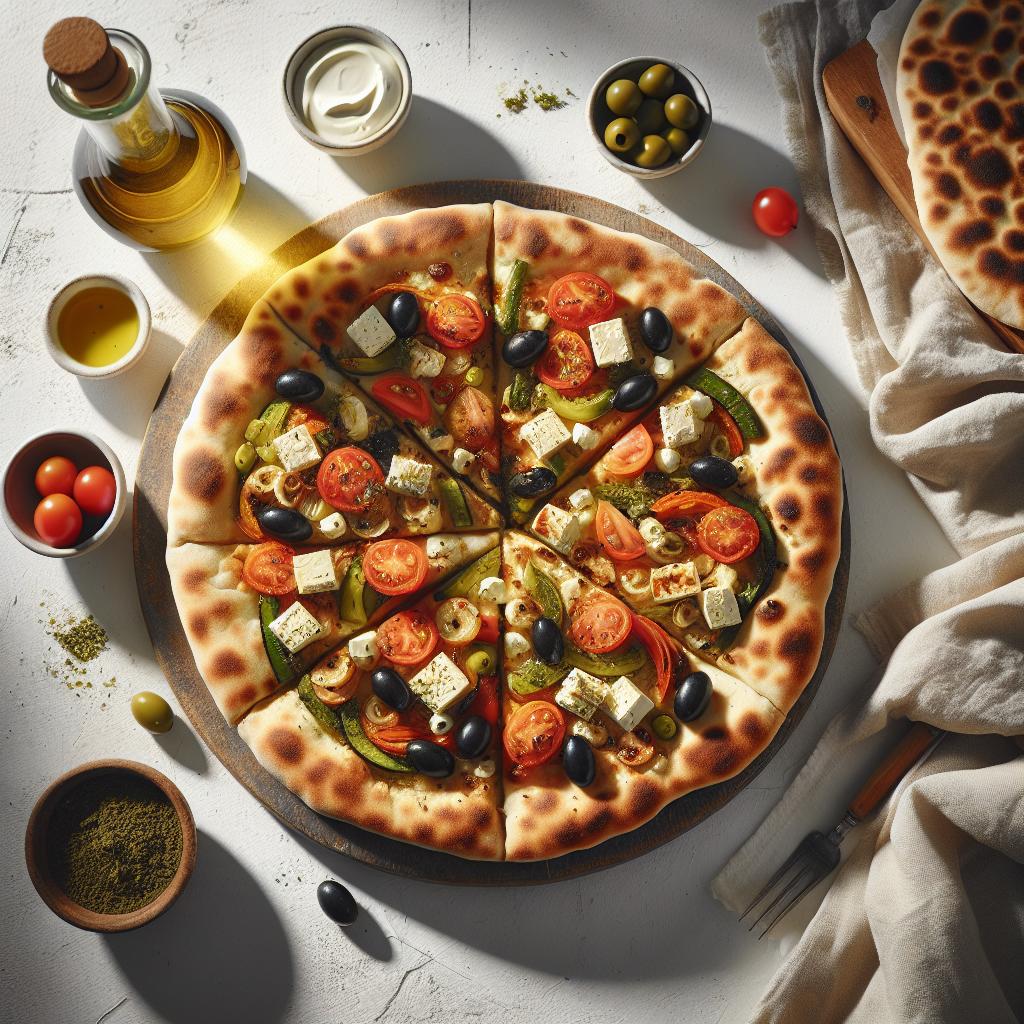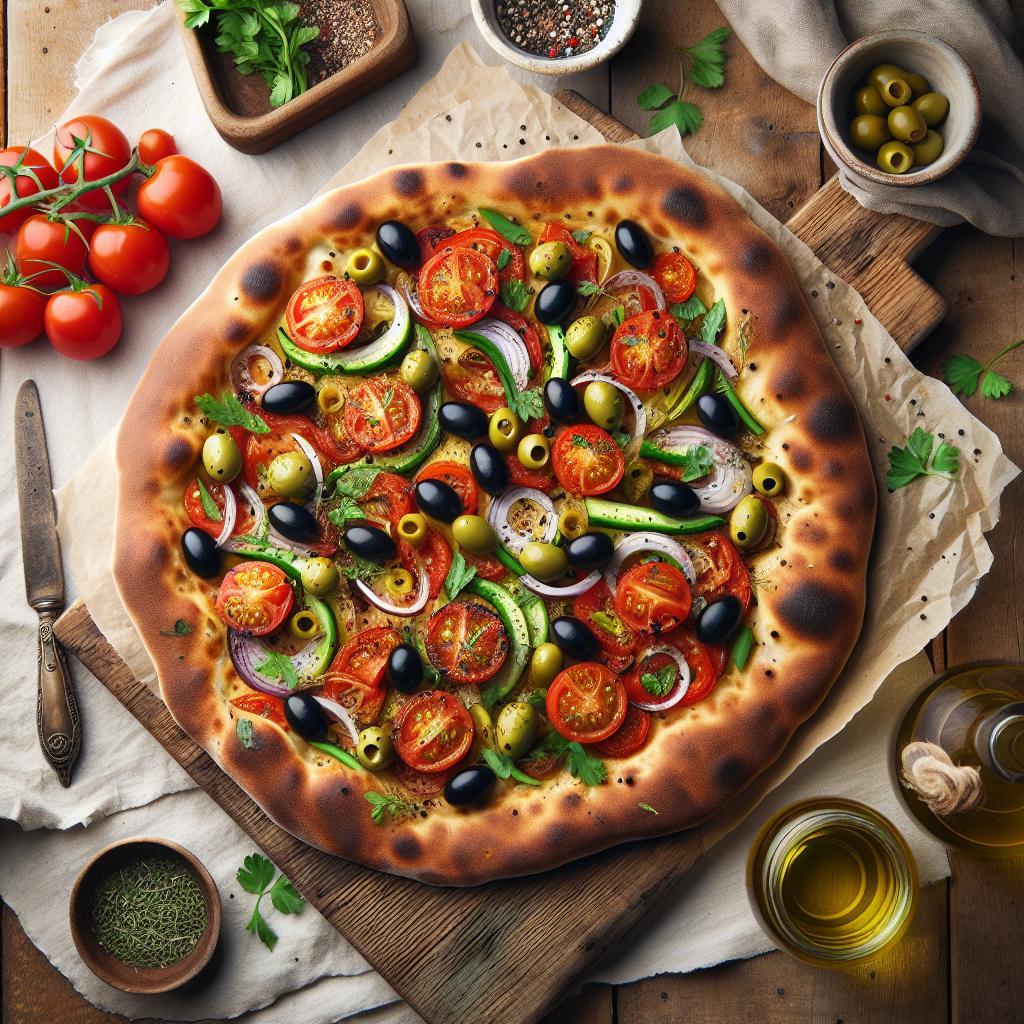

There’s something magical about the warm, earthy aroma of freshly baked bread wafting through your kitchen-especially when it’s Mediterranean flatbread, a timeless staple that carries the whispers of sun-soaked shores and ancient traditions. Crafting authentic homemade Mediterranean flatbread is more than just mixing flour and water; it’s a flavorful journey into rich cultural heritage, where simplicity meets artistry. In this article, we’ll explore the secrets to creating this soft, golden bread from scratch, inviting you to fill your home with the genuine taste and comforting textures that have nourished generations around the Mediterranean basin. Whether paired with vibrant dips, hearty stews, or enjoyed on its own, making flatbread at home transforms an everyday moment into a celebration of tradition and taste.
Crafting Authentic Homemade Mediterranean Flatbread at Home
Embark on the delightful journey of crafting authentic homemade Mediterranean flatbread at home, where the timeless flavors of sun-kissed olive groves, aromatic herbs, and hand-kneaded dough come alive. This revered staple from the Mediterranean coasts is more than just bread-it’s a canvas for vibrant dishes and culinary traditions passed down through generations. With each bite, you’ll experience a perfect harmony of softness and crispness, truly elevating your home dining experience.
Prep and Cook Time
- Preparation: 15 minutes
- Resting/Proofing: 1 hour
- Cooking: 10 minutes
- Total Time: 1 hour 25 minutes
Yield
Makes 6 medium-sized flatbreads, perfect for 4-6 servings.
Difficulty Level
Medium – approachable with basic baking skills and rewarding for first-timers looking to master Mediterranean flatbreads.
Ingredients
- 2 ½ cups all-purpose flour, sifted
- 1 cup warm water (110°F/45°C)
- 1 tsp active dry yeast
- 1 tsp sugar
- 1 tsp fine sea salt
- 2 tbsp extra virgin olive oil, plus more for brushing
- 1 tsp dried oregano or za’atar, optional for flavor boost
Instructions
- Activate the yeast: In a small bowl, combine warm water, sugar, and yeast. Stir gently and allow to sit for 5-7 minutes until frothy, signaling active yeast.
- Mix the dough: In a large mixing bowl, combine sifted flour and salt. Make a well in the center and pour in the yeast mixture and 2 tablespoons of olive oil.
- Knead for texture: Using clean hands or a dough hook attachment, knead the dough for about 10 minutes until smooth and elastic. The dough should be soft but not sticky. Add small amounts of flour if too wet, or water if dry.
- First rise: Lightly oil a bowl, place the dough inside, cover with a damp cloth or plastic wrap, and let it rise in a warm spot for 60 minutes, doubling in size.
- Divide and shape: Punch down the dough, divide it into 6 equal portions. Roll each ball on a floured surface into thin, round flatbreads, about ¼ inch thick for balance of softness and crispness.
- Heat your cooking surface: Preheat a heavy skillet or cast-iron pan over medium-high heat. The pan should be hot to create that signature crisp golden exterior.
- Cook the flatbreads: Place one flatbread at a time into the skillet. Cook for 2-3 minutes per side, or until bubbles appear and golden spots form. Brush lightly with olive oil for sheen and flavor.
- Optional flavor: Sprinkle dried oregano or za’atar mid-cooking for a fragrant, authentic touch.
- Rest: Stack cooked flatbreads covered with a clean towel to maintain softness until serving.
Tips for Success
- Flour choice: Using a blend of all-purpose and bread flour can enhance gluten development for an even chewier texture.
- Water temperature: Ensure water is warm, not hot, to activate yeast without killing it.
- Resting variations: For richer flavor, let the dough ferment overnight in the fridge and bring to room temperature before cooking.
- Skillet choice: Avoid nonstick pans, which won’t achieve the same beautiful crispness as cast iron.
- Make ahead: Prepare dough in advance and freeze individual portions. Thaw in the fridge overnight before rolling and cooking.
Serving Suggestions
Delight in serving your Mediterranean flatbreads warm with a variety of Mediterranean staples. For a festive spread, pair them with creamy hummus, smoky baba ghanoush, or vibrant tabbouleh salad. Drizzle with extra virgin olive oil and scatter fresh herbs like mint or parsley for freshness. Flatbreads act perfectly as scoops for spiced lamb koftas or as wraps for grilled vegetables and feta cheese. Consider garnishing with a sprinkle of sumac or a dusting of sesame seeds for texture and visual appeal.
| Nutritional Info (per flatbread) | Calories | Protein | Carbs | Fat |
|---|---|---|---|---|
| 1 Medium Flatbread | 150 kcal | 4 g | 28 g | 3 g |

Want to explore more Mediterranean recipes that pair beautifully with flatbreads? Check out our guide on Mediterranean Dips Perfect for Flatbreads. For authoritative insights on Mediterranean dietary traditions, visit the Mediterranean Living Foundation.
Q&A
Q&A: Crafting Authentic Homemade Mediterranean Flatbread at Home
Q1: What makes Mediterranean flatbread unique compared to other flatbreads?
A1: Mediterranean flatbread boasts a harmonious blend of simplicity and flavor. Unlike some thicker or yeast-heavy breads, it often features a light, airy texture with a slightly crisp exterior, achieved through minimal ingredients-flour, water, olive oil, and salt-and skillful technique. The use of high-quality olive oil and sometimes herbs like rosemary or za’atar infuses it with the sun-drenched essence of the Mediterranean.
Q2: Can I make authentic Mediterranean flatbread without a fancy oven or stone?
A2: Absolutely! While traditional methods might use a wood-fired oven or baking stone, you can replicate those results at home with a heavy cast-iron skillet or a hot baking sheet in a conventional oven. The key is high heat and quick cooking, which creates those signature bubbles and a golden crust. Preheat your cooking surface thoroughly to mimic authentic conditions.
Q3: Is yeast necessary for making Mediterranean flatbread?
A3: Not always. Some Mediterranean flatbreads are unleavened, relying on the dough’s hydration and cooking technique for softness and chewiness. However, others incorporate a small amount of yeast or baking powder for a slight rise. The choice depends on the regional style you’re aiming to replicate and your personal preference for texture.
Q4: How important is the quality of olive oil in this recipe?
A4: Olive oil is the soul of Mediterranean flatbread. Using extra virgin olive oil, especially one with a robust, fruity profile, elevates the bread’s flavor and aroma dramatically. It provides moisture, assists browning, and leaves that characteristic Mediterranean aroma that transports you straight to sunlit shores.
Q5: Can I add herbs or toppings to enhance the flavor of my flatbread?
A5: Certainly! Fresh or dried herbs like rosemary, thyme, oregano, or za’atar can be mixed into the dough or sprinkled on top before baking to impart a fragrant depth. You can also brush the flatbread with olive oil and sprinkle coarse salt or sesame seeds right before cooking for extra texture and flavor.
Q6: What is the secret to achieving a soft yet slightly crispy texture in homemade Mediterranean flatbread?
A6: The secret lies in dough hydration, resting time, and cooking temperature. A slightly wetter dough creates steam inside the bread, softening the crumb. Allowing the dough to rest lets gluten develop for elasticity. Cooking at high heat for a short time ensures a crisp, golden crust without drying out the interior.
Q7: How can Mediterranean flatbread be served at home for an authentic experience?
A7: Serve it warm with classic Mediterranean accompaniments like hummus, tzatziki, olives, fresh tomatoes, feta cheese, or grilled vegetables. Rolling it around savory fillings or using it as a base for flatbread pizzas channels true Mediterranean hospitality and flavor.
Q8: How long does homemade Mediterranean flatbread keep, and is it freezer-friendly?
A8: Fresh flatbread is best enjoyed the day it’s made to appreciate its texture and flavor. However, you can store leftovers wrapped tightly at room temperature for up to two days or freeze flattened dough balls for later use. Reheat gently in a skillet or oven to revive its softness and aroma.
Q9: Any tips for beginners looking to master this flatbread?
A9: Embrace simplicity and experiment! Start with basic ingredients, pay attention to dough consistency, and don’t rush resting times. Use your senses-look for a shiny, elastic dough and listen for the sizzling sound when cooking. Remember, each batch is a learning step toward your perfect Mediterranean flatbread.
Crafting authentic homemade Mediterranean flatbread is less about strict rules and more about celebrating the natural flavors, warmth, and communal spirit of Mediterranean cuisine. With a little patience and love, your kitchen can become a sunlit coastal bakery, one golden flatbread at a time.
In Retrospect
As the warm, golden flatbread emerges from your oven, its tantalizing aroma filling your kitchen, you realize that crafting authentic Mediterranean flatbread at home is more than just a recipe-it’s a journey. A journey that connects you to centuries of tradition, to sun-drenched olive groves, and to the vibrant heart of Mediterranean culture. With simple ingredients and a touch of patience, you’ve created a canvas for endless culinary adventures-from dipping into creamy hummus to wrapping fragrant grilled vegetables. So next time hunger strikes, remember: the true essence of Mediterranean flatbread lives not only in its taste but in the hands that make it and the stories shared around the table. Happy baking and even happier eating!