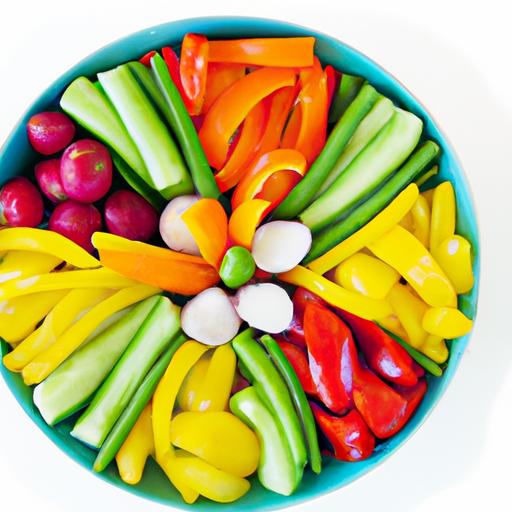

In a world that’s growing greener by the day, even the humble freezer can become a champion of sustainability. “Chill Smart: Eco-Friendly Freezing Tips for Fresh Veggies” dives into the art-and science-of preserving your favorite garden-fresh goodies without wasting energy or nutrients. Imagine a freezer that not only keeps your veggies vibrant and tasty but also shrinks your carbon footprint, one crisp carrot at a time. Ready to turn your kitchen habits into eco-friendly wins? Let’s explore how smart chilling can make a big difference for your food, your wallet, and the planet.
Chill Smart: Eco-Friendly Freezing Tips for Fresh Veggies
Embarking on the journey to preserve your garden’s bounty or supermarket finds means embracing methods that champion quality and environmental responsibility. Chill Smart: Eco-Friendly Freezing Tips for Fresh Veggies offers savvy guidance to select, prepare, and freeze vegetables in ways that lock in freshness while protecting our planet. From crisp carrots to hearty greens, each step ensures your frozen produce is as vibrant in flavor and texture as the day it was picked.
Prep and Cook Time
Preparation: 20 minutes
Freezing Process: 10 minutes
Yield
Perfect for preserving approximately 6 cups of fresh vegetables, enough for 6 servings.
Difficulty Level
Easy – Medium (Great for all skill levels; combines simple selection and preparation techniques.)
Ingredients
- 4 cups fresh green beans, trimmed and washed
- 3 medium carrots, peeled and sliced into ½-inch rounds
- 2 cups broccoli florets, washed and chopped
- 1 cup snap peas, trimmed and rinsed
- 1 tbsp lemon juice (optional, to prevent browning)
- Filtered water (for blanching and rinsing)
- Reusable silicone freezer bags or glass storage containers
Instructions
- Select firm, unblemished vegetables to ensure the best longevity. Freshness at freezing is key, so opt for produce that’s bright in color and crisp to the touch.
- Prepare your veggies properly: Wash thoroughly under cold running water. Trim ends and peel where needed, like carrots.
- Blanch the vegetables: Boil filtered water in a large pot. Submerge green beans, carrots, broccoli, and snap peas separately for 2-3 minutes to inactivate enzymes that degrade quality. Immediately transfer to an ice bath to halt cooking. This step is pivotal to preserving texture and nutrients.
- Drain and dry: Once chilled, lay the vegetables on a clean kitchen towel or paper towels. Pat them dry gently to minimize freeze burn risk.
- Optional brightening: Toss lightly with lemon juice to prevent discoloration, especially in vegetables prone to browning.
- Package efficiently: Portion the veggies in reusable silicone freezer bags or airtight glass containers, removing as much air as possible. This eco-conscious choice reduces plastic waste significantly.
- Label and freeze: Note the freezing date with a waterproof marker. Place packages flat in the freezer to freeze quickly and store compactly.
- When ready to use, thaw by steaming or adding directly to hot dishes to preserve freshness and flavor.
Chef’s Notes
- Substitutions: Use your favorite seasonal veggies following the same blanching and freezing principles.
- Freezing alternatives: For dense veggies like potatoes, parboil longer or consider roasting before freezing for best texture.
- Storage tips: Avoid refreezing thawed veggies to maintain optimal taste and nutrient content.
- Make-ahead: Pre-portion your freeze bags for quick meal prep throughout the week.
Serving Suggestions
Frozen veggies shine when gently reheated to preserve crispness. Serve sautéed with fresh garlic and a drizzle of olive oil for a simple side, or toss into hearty soups and stews for packed flavor. Garnish with freshly chopped herbs like parsley or basil for a burst of color and aroma. For a light snack, quickly steam frozen snap peas and season with sea salt and lemon zest.

| Nutrition | Per 1 cup serving |
|---|---|
| Calories | 45 |
| Protein | 3g |
| Carbohydrates | 9g |
| Fat | 0.2g |
Looking to expand your sustainable kitchen practices? Explore our guide on Zero-Waste Kitchen Tips to harmonize your entire cooking routine. For expert vegetable freezing techniques, visit the authoritative resource at USDA’s Freezing Guidelines.
Q&A
Q&A: Chill Smart – Eco-Friendly Freezing Tips for Fresh Veggies
Q1: Why should I focus on freezing veggies eco-friendly?
A: Freezing fresh veggies the eco-friendly way helps reduce food waste, saves energy, and keeps your produce at peak flavor without unnecessary packaging. It’s a win-win for your kitchen and the planet!
Q2: Which veggies are best suited for freezing?
A: Most veggies freeze well, especially green beans, peas, carrots, broccoli, and spinach. Leafy greens and water-heavy veggies like cucumbers can get mushy, so consider blanching or making smoothies instead.
Q3: What’s blanching and why is it eco-smart?
A: Blanching means briefly boiling veggies, then plunging them into ice water to stop cooking. This preserves color, nutrients, and texture, ensuring your frozen stash tastes fresh longer. It’s eco-smart because it minimizes waste-your veggies last months instead of days!
Q4: How can I reduce plastic use when freezing?
A: Use reusable silicone bags, glass containers, or beeswax wraps. If you must use plastic, choose recyclable bags and reuse them. Label everything with masking tape and a pencil instead of stickers.
Q5: Any tips to save freezer energy?
A: Freeze veggies in smaller, flat portions for faster freezing and thawing. Keep your freezer at around 0°F (-18°C) and avoid overfilling it to keep air circulating efficiently. Defrost your freezer regularly to maintain peak performance.
Q6: What’s the best way to thaw frozen veggies?
A: For most dishes, toss frozen veggies straight into your pan or pot-no need to thaw! If thawing is needed, do so in the fridge or use cold water in a sealed bag to keep it quick and safe.
Q7: How long can I keep frozen veggies before they lose quality?
A: For best taste and nutrients, aim for 8-12 months. Beyond that, they’re still safe but might lose texture or flavor intensity.
Q8: Can freezing veggies really help fight food waste?
A: Absolutely! Freezing extends the life of your harvest or market finds, so you don’t toss half your greens on the compost heap. It’s a simple step toward a greener, kinder kitchen.
Freeze smart, freeze green-your veggies and the Earth will thank you!
Future Outlook
As you embark on your journey to preserve the vibrant crunch and nutrient-packed goodness of your fresh veggies, remember: chilling smart isn’t just about convenience-it’s a love letter to the planet. By embracing eco-friendly freezing tips, you reduce food waste, save energy, and keep your kitchen green and lean. So next time you tuck those garden-fresh treasures into the freezer, do it with intention and care. Your veggies will thank you, your taste buds will rejoice, and Mother Earth will breathe a little easier. Here’s to a cooler, cleaner, and greener way to savor every bite!