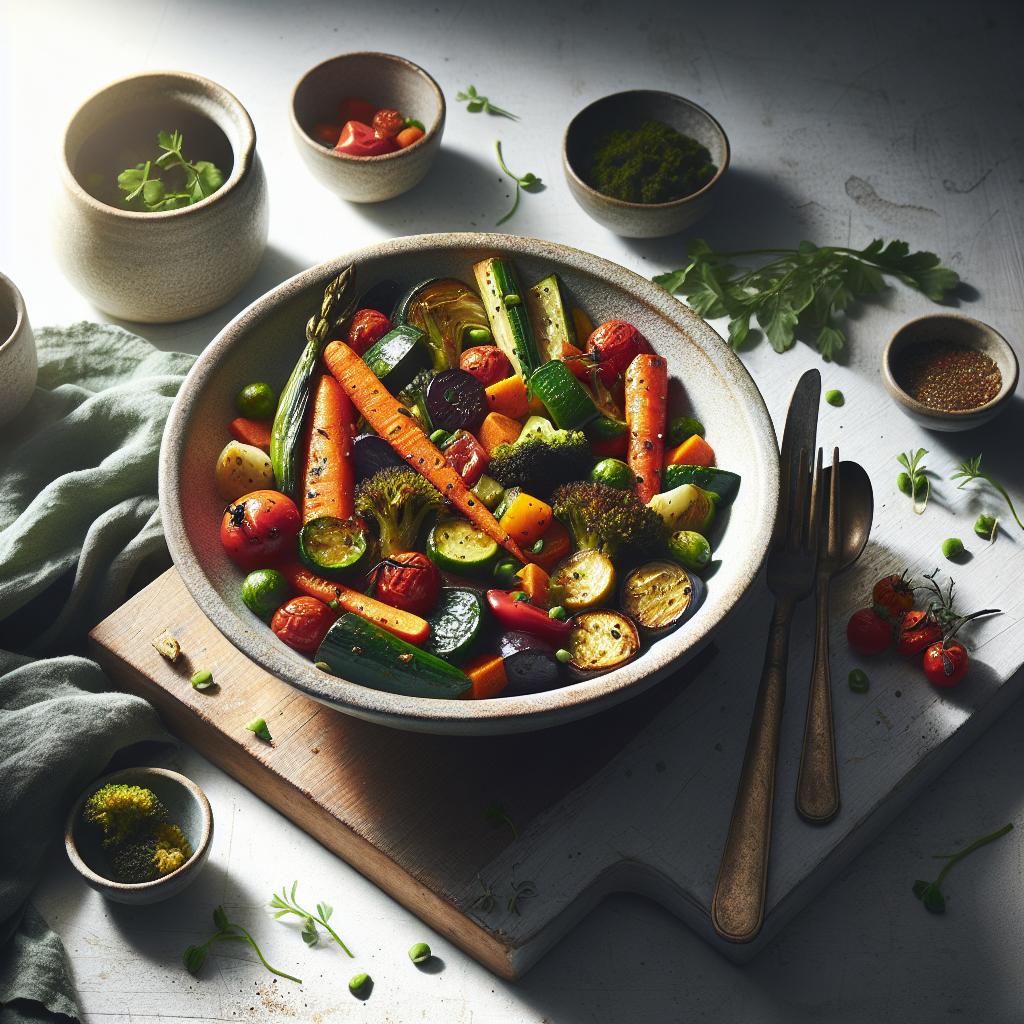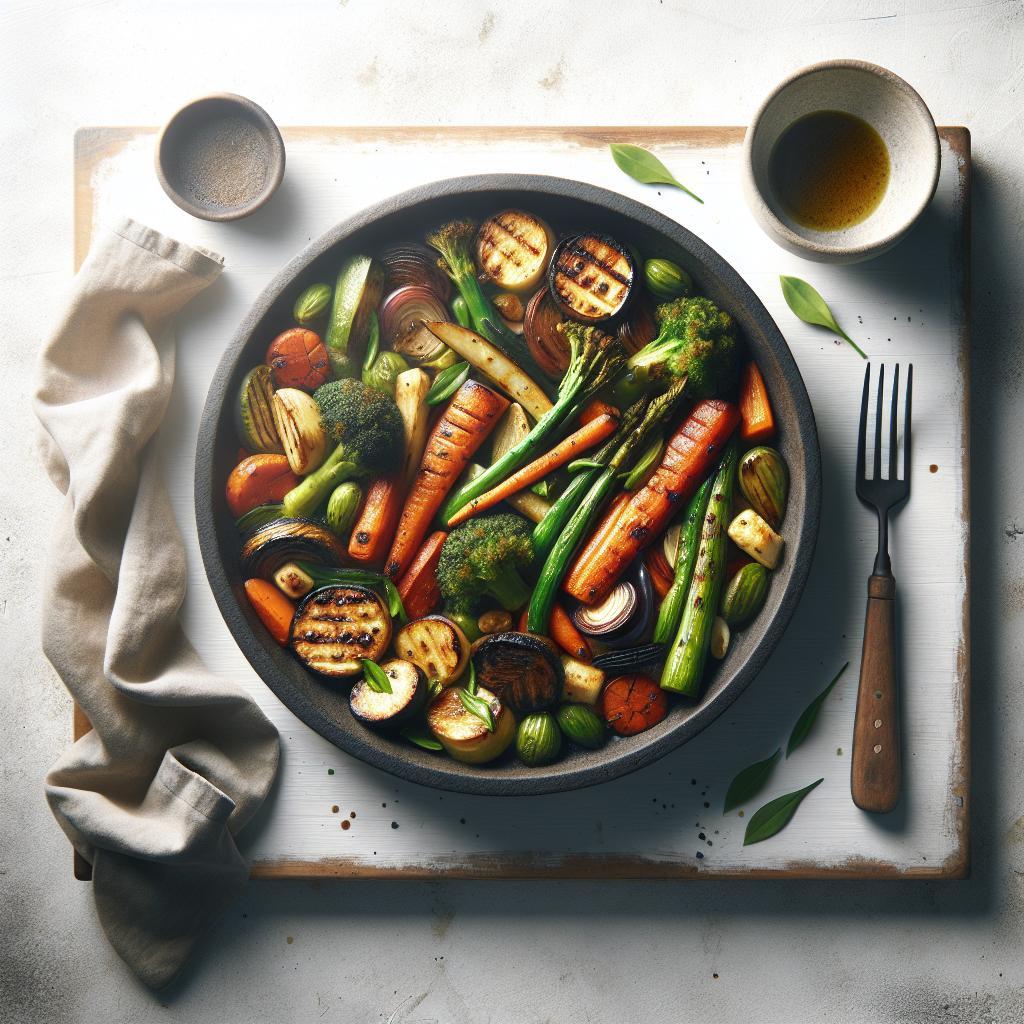

There’s a special kind of magic that happens when a medley of vibrant vegetables meets the gentle heat of an oven, their natural sugars caramelizing and their flavors deepening into a rich, harmonious symphony. Roasted vegetable stew isn’t just a meal-it’s an experience, a celebration of earth’s bounty transformed into comfort in a bowl. Whether you’re a seasoned cook or a curious novice, mastering the art of roasting your veggies before stewing can elevate this humble dish to new heights. In this guide, we’ll unravel the secrets to crafting the perfect roasted vegetable stew, from choosing the ideal produce to layering flavors that sing. Get ready to savor the flavor like never before.
Savor the Flavor: How to Make Roasted Vegetable Stew Perfect
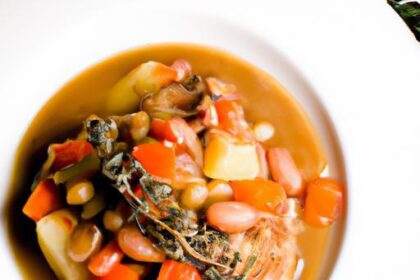
Savor the flavor the moment your spoon dips into this heartwarming roasted vegetable stew, a dish that transforms humble garden bounty into a symphony of rich, balanced tastes. Embracing the alchemy of roasting and slow simmering, this stew is more than a meal-it’s an aromatic experience that celebrates nature’s sweetness and umami depth without any fuss. Rooted in rustic traditions yet elevated by mindful seasoning, it’s perfect for both novice cooks and seasoned food lovers eager to dive into a bowl of pure comfort.
Prep and Cook Time
- Preparation Time: 20 minutes
- Roasting Time: 35-40 minutes
- Simmering Time: 45-50 minutes
- Total Time: Approximately 1 hour 45 minutes
Yield
This recipe serves 6 hearty portions of roasted vegetable stew, perfect for family dinners or batch-making weekend comfort food.
Difficulty Level
Medium: Ideal for cooks ready to master roasting and broth crafting, with approachable steps for layering flavors.
Ingredients
- 3 cups diced butternut squash
- 2 cups carrot chunks, peeled
- 1 large red onion, quartered
- 2 cups bite-sized cauliflower florets
- 1½ cups diced celery
- 6 cloves garlic, whole
- 1 cup diced tomatoes, fresh or canned
- 4 cups vegetable broth, low sodium
- 2 tbsp extra virgin olive oil
- 2 tsp smoked paprika
- 1 tsp dried thyme
- 1 tsp dried rosemary, crushed
- Salt and freshly ground black pepper, to taste
- 1 tbsp balsamic vinegar (optional, for brightness)
- Fresh parsley, finely chopped (for garnish)
Instructions
- Preheat your oven to 425°F (220°C). Line a large baking sheet with parchment paper for easy cleanup and even roasting.
- Toss the butternut squash, carrots, red onion, cauliflower, celery, and whole garlic cloves with olive oil, smoked paprika, thyme, rosemary, salt, and pepper until everything is evenly coated.
- Spread the seasoned vegetables in a single layer on the prepared baking sheet. Roast in the oven for 35-40 minutes, flipping halfway through, until edges are caramelized and tender, releasing their natural sweetness.
- Meanwhile, in a large heavy-bottomed pot, combine the vegetable broth and diced tomatoes. Bring to a gentle simmer over medium heat.
- Once the vegetables are roasted, carefully transfer them (including any flavorful pan drippings) into the simmering broth. Use a wooden spoon to mash a few vegetables slightly, enhancing the stew’s body and texture.
- Simmer the stew gently for about 45-50 minutes, uncovered, stirring occasionally. This slow marriage deepens flavors and melts the garlic into the broth.
- Adjust the seasoning with salt, pepper, and a splash of balsamic vinegar if using; this adds a subtle tang that balances the richness beautifully.
- Remove from heat and ladle the stew into warm bowls. Garnish generously with fresh parsley for a vibrant, fresh finish.
Tips for Success
- Roasting vegetables at a high temperature is key to developing those rich caramelized notes that define this stew’s signature depth. Don’t rush this step!
- Use low sodium broth to control the salt level, ensuring your seasoning shines without overpowering the natural flavors.
- For an even deeper flavor, roast additional aromatics like fennel or parsnips, or add a dried bay leaf to the simmering broth.
- Make this stew in advance for flavors to meld beautifully. It reheats like a dream and can even be frozen for up to 3 months.
- Swap in winter squash varieties or seasonal root vegetables based on your local market for a unique twist every time.
Serving Suggestions
This roasted vegetable stew is a meal on its own but shines paired with crusty whole-grain bread or creamy polenta. A dollop of herbed yogurt or cashew cream adds luscious contrast. For a colorful, cozy presentation, sprinkle toasted pine nuts or pumpkin seeds on top just before serving to introduce a satisfying crunch.
| Nutritional Info (per serving) | Calories | Protein | Carbs | Fat |
|---|---|---|---|---|
| Roasted Vegetable Stew | 190 kcal | 5 g | 30 g | 6 g |

Looking for more warm and hearty plant-based dishes? Check out our guide on Best Vegan Stews for Every Season.
For tips on roasting vegetables to perfection, the Serious Eats roasting guide is an excellent resource.
Q&A
Q: What makes a roasted vegetable stew stand out in flavor compared to a regular vegetable stew?
A: Roasting vegetables caramelizes their natural sugars, creating deeper, richer flavors and a hint of smokiness. This process enhances the stew’s taste profile, adding layers of complexity that simple boiling or simmering can’t achieve.
Q: Which vegetables are best suited for roasting before adding to the stew?
A: Root vegetables like carrots, parsnips, and sweet potatoes, as well as bell peppers, eggplant, zucchini, and tomatoes, roast beautifully. These vegetables develop a slightly crisp, golden exterior and tender interior that adds texture and savoriness to the stew.
Q: How should I prepare my vegetables before roasting to maximize flavor?
A: Chop your vegetables into uniform pieces for even roasting. Toss them with high-quality olive oil, a sprinkle of sea salt, freshly ground black pepper, and your favorite herbs like thyme or rosemary. This simple seasoning enhances their natural taste and helps build a flavorful base.
Q: What role do herbs and spices play in perfecting a roasted vegetable stew?
A: Herbs and spices are the soul of any stew. Fresh herbs added towards the end of cooking preserve bright, aromatic notes, while dried herbs and warming spices like smoked paprika or cumin, added early, infuse the stew deeply. Their balanced interplay transforms the dish into an extraordinary experience.
Q: Can I make my roasted vegetable stew ahead of time, and will the flavors improve?
A: Absolutely! Like many hearty dishes, roasted vegetable stew benefits from resting. Allowing it to sit overnight lets the flavors meld and intensify. Simply reheat gently on the stove or in the oven, adding a splash of broth if needed to refresh the texture.
Q: What’s the best way to incorporate the roasted vegetables into the stew liquid?
A: Add the roasted vegetables into the simmering broth towards the end of cooking to prevent them from becoming mushy. Gently fold them in and let the stew warm through, maintaining their caramelized edges and texture that create delightful contrasts.
Q: Are there any tips for achieving the perfect stew consistency?
A: Yes! Use a flavorful broth or stock as your stew base and add it gradually to control thickness. If the stew gets too thick, a bit more liquid will loosen it up. For a creamier texture, blending a portion of the cooked beans or potatoes within the stew works wonders.
Q: How can I elevate the presentation of my roasted vegetable stew for a memorable dining experience?
A: Garnish with fresh herbs like parsley or basil, a drizzle of extra virgin olive oil, and a sprinkle of toasted nuts or seeds for crunch. Serving it in rustic bowls paired with crusty bread invites a cozy, hearty ambiance that’s as pleasing to the eyes as to the palate.
Q: What are some creative variations to experiment with in a roasted vegetable stew?
A: Try adding roasted chickpeas for protein, incorporating exotic spices like sumac, or topping the stew with a dollop of herbed yogurt or a squeeze of lemon for brightness. These tweaks can transform your stew from familiar to fabulous without complicating the process.
Q: Why is patience important when making the perfect roasted vegetable stew?
A: Patience allows each step-from roasting to simmering-to develop flavors fully. Rushing can result in blandness or uneven textures. Taking your time with roasting and gentle simmering crafts a stew that’s rich, layered, and deeply satisfying.
Future Outlook
As the aroma of your perfectly roasted vegetable stew fills the kitchen, you’ve not only created a dish but an experience-one that warms both heart and soul. By mastering the art of roasting each vegetable to caramelized perfection, you unlock a depth of flavor that transforms a simple stew into a culinary celebration. So next time you gather your favorite harvest, remember these techniques and let your creativity simmer. After all, the perfect roasted vegetable stew is more than a meal; it’s a delicious journey that invites you to savor every step along the way. Happy cooking!