
There’s something irresistibly satisfying about biting into a perfectly baked fish fillet-crispy on the outside, tender and flaky on the inside, with flavors that dance on your palate. But achieving that golden, restaurant-quality crispiness at home can often feel like chasing a culinary unicorn. Fear not! In this article, we’ll dive into the art and science of baking fish fillets like a pro. From choosing the right fish to mastering seasoning, coating techniques, and oven tips, you’ll discover how to transform simple fillets into crispy perfection that will impress family and friends alike. Get ready to elevate your home cooking with foolproof methods that marry healthful baking with irresistible crunch.
Crispy Perfection: How to Bake Fish Fillets Like a Pro
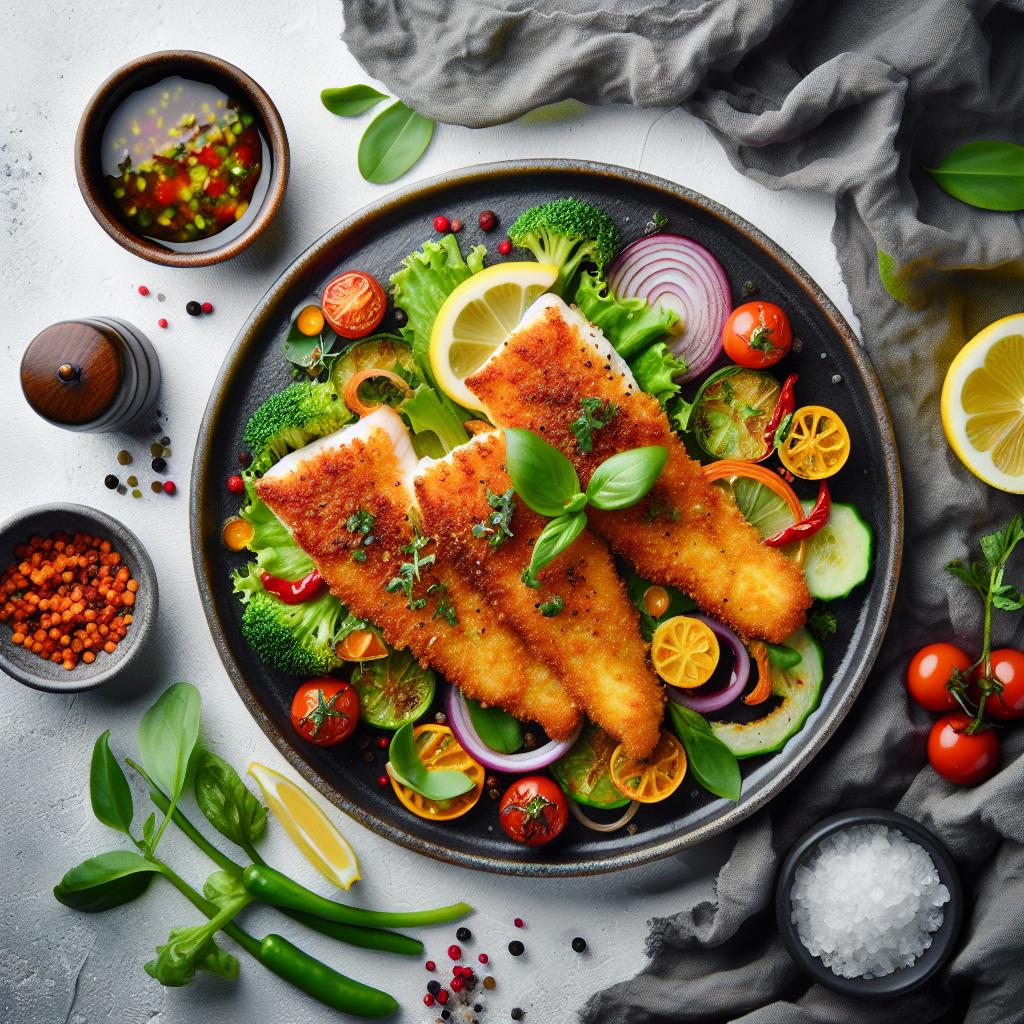
Crispy perfection starts with selecting the freshest fish fillets that promise tender flakes beneath a golden, crunchy crust. This dish brings a delightful contrast in texture, marrying simplicity with an impressive finish ideal for weeknight dinners or special occasions alike. Trust me, mastering the art of baking fish fillets perfectly crispy at home is easier than you think-and every bite will transport you to coastal kitchens where fresh catch reigns supreme.
Prep and Cook Time
- Preparation: 15 minutes
- Cooking: 20 minutes
- Total: 35 minutes
Yield
Serves 4
Difficulty Level
Easy to Medium
Ingredients
- 4 fresh fish fillets (such as cod, haddock, or tilapia; about 6 oz each, skin removed)
- 1 cup all-purpose flour, sifted
- 2 large eggs, beaten
- 1 ½ cups panko breadcrumbs for ultimate crunch
- 1 teaspoon smoked paprika
- 1 teaspoon garlic powder
- ½ teaspoon sea salt
- ½ teaspoon freshly ground black pepper
- 2 tablespoons olive oil or melted unsalted butter
- Fresh lemon wedges for serving
- Chopped fresh parsley for garnish
Instructions
- Start by preheating your oven to 425°F (220°C), ensuring a hot environment to promote crispiness without overcooking the fish’s delicate flesh.
- Pat the fish fillets dry using paper towels-this step is crucial for achieving a crispy crust as moisture inhibits browning.
- In a shallow dish, combine the sifted flour with half the salt, pepper, smoked paprika, and garlic powder. Mix well to incorporate the seasoning evenly.
- In a second bowl, beat the eggs gently.
- Place the panko breadcrumbs in a third shallow dish and toss with the remaining salt, pepper, and a teaspoon of olive oil to help them brown beautifully.
- Coat each fish fillet lightly in the flour mixture, shaking off excess, then dip into the beaten eggs, and finally press into the seasoned panko breadcrumbs. Ensure a thorough, even coating for maximum crispiness.
- Arrange the breaded fillets on a baking sheet lined with parchment paper. Lightly drizzle or brush the tops with the remaining olive oil for a radiant golden finish.
- Bake in the preheated oven for 15-20 minutes, flipping gently halfway through if you desire even browning on both sides. The fish should be opaque and flake easily with a fork.
- Remove from the oven and rest briefly before plating to allow juices to redistribute.
Tips for Success
- Choosing fish: Opt for firm, white-fleshed fish with a mild aroma. Freshness is key-look for clear eyes and moist, glistening flesh at your fishmonger.
- Breading tricks: For an ultra-crisp crust, use panko breadcrumbs; they create airy, crunchy layers compared to traditional breadcrumbs.
- Seasoning layers: Be generous with seasoning in the flour and breadcrumbs to infuse every bite with flavor.
- Oven precision: Avoid overcrowding on the baking tray to allow hot air circulation and crisp coating.
- Make-ahead: Bread the fillets and refrigerate for up to 1 hour before baking to let the coating set, improving adherence and texture.
Serving Suggestions
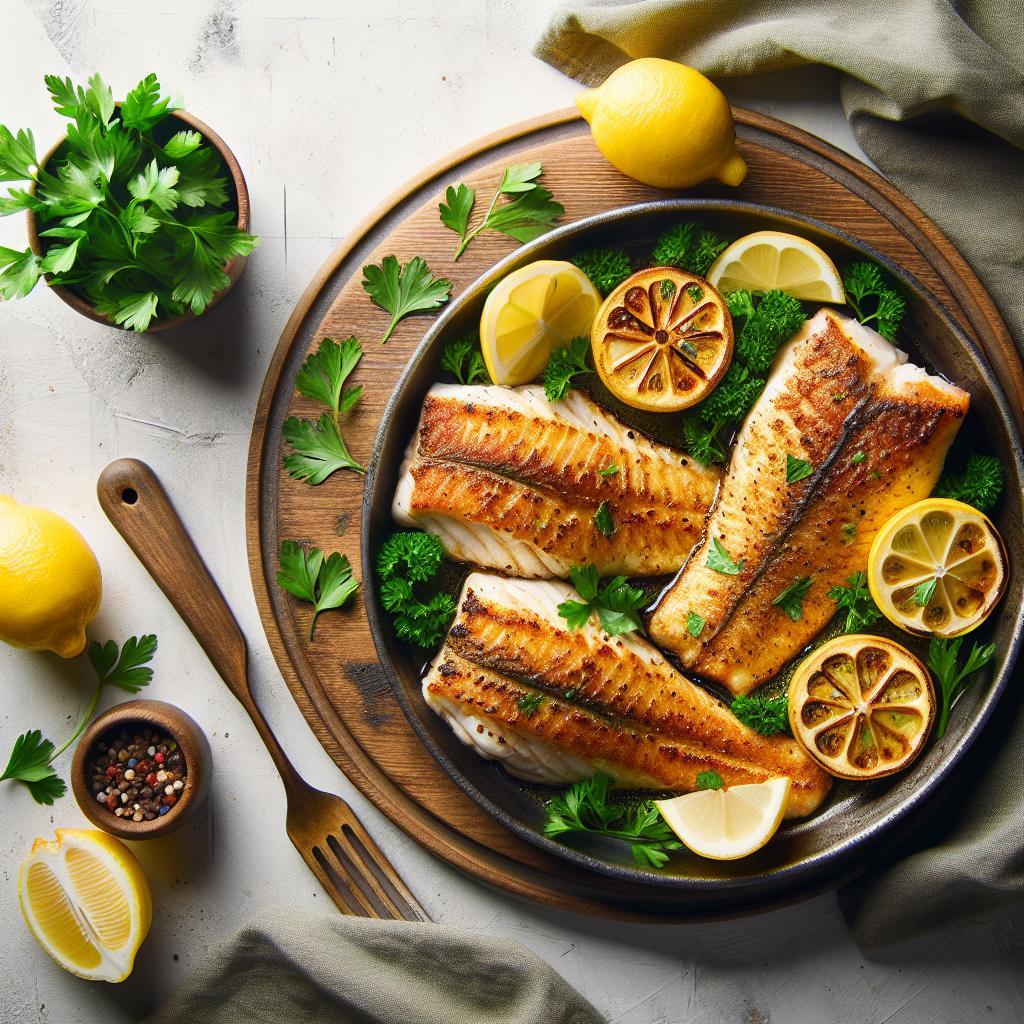
Present your perfectly baked fish fillets on a rustic wooden board or elegant white plates, garnished with fresh lemon wedges and a scattering of vibrant chopped parsley. Serve alongside a light herbed quinoa salad or crisp steamed vegetables to balance textures and flavors. A drizzle of a simple aioli or tartar sauce on the side can elevate the dish further without overpowering the crispy perfection beneath.

| Nutrient | Per Serving |
|---|---|
| Calories | 320 kcal |
| Protein | 35 g |
| Carbohydrates | 18 g |
| Fat | 10 g |
For more ideas on preparing fish with crispy perfection, explore our comprehensive guide on Best Frying Techniques for Seafood. To understand the science behind browning and heat conduction in baking, check out this detailed resource on Serious Eats Food Lab.
Q&A
Q&A: Crispy Perfection – How to Bake Fish Fillets Like a Pro
Q1: What’s the secret to achieving perfectly crispy fish skin when baking fillets?
A1: The golden, crackling skin comes down to a few key factors: start with dry, room-temperature fish fillets and pat the skin thoroughly with a paper towel to remove excess moisture. A light brush of high-smoke-point oil-like avocado or grapeseed oil-creates the ideal barrier for crisping. Bake the fillets on a preheated baking sheet or a wire rack set over a pan to let the heat circulate evenly, avoiding sogginess.
Q2: Should I season the fish before or after baking to keep it crispy?
A2: Season generously before baking. Sprinkle salt, pepper, and any herbs or spices right onto the dry fillets so the flavors can meld during cooking. Hold off on wet marinades until after baking; excess moisture can dampen that coveted crisp texture.
Q3: What temperature is best for baking fish fillets to get a crispy edge while keeping the inside tender?
A3: Bake at a relatively high heat between 425°F to 450°F (220°C to 230°C). The intense heat encourages the skin to crisp up quickly while sealing in moisture, producing a tender and flaky interior. Keep an eye on the fish as thinner fillets might only need 10-12 minutes, while thicker cuts might require a bit longer.
Q4: How can I avoid the dreaded soggy bottom when baking fish?
A4: Using a wire rack elevates the fish off the baking sheet, allowing air to circulate underneath, which keeps the underside drying out and crisp. If you don’t have a rack, line your baking sheet with parchment or aluminum foil, and make sure the fillets aren’t resting directly in any liquid or juices released during cooking.
Q5: Are there any coatings or techniques to amplify crispiness without adding heaviness?
A5: Yes! A light dusting of seasoned panko breadcrumbs or finely ground cornmeal can add a delicate crunch. Alternatively, a sprinkle of semolina flour or rice flour before baking can enhance crisp texture without weighing down the fillets. Just be careful not to overcoat-the aim is a thin, even layer.
Q6: Can I bake fish fillets from frozen and still get that crispy finish?
A6: It’s best to thaw fillets completely and pat dry before baking for optimum crispiness. Baking frozen fish tends to release excess water during cooking, leading to steam rather than crisping. However, if you’re pressed for time, bake frozen fillets on a preheated baking sheet at a slightly lower temperature (around 400°F) and finish under the broiler for a minute or two to add a crispy finish-watch closely to prevent burning.
Q7: What are some flavor-boosting accompaniments that complement crispy baked fish?
A7: Bright, fresh elements like a zesty lemon herb sauce or a drizzle of garlicky olive oil elevate the natural flavors without overpowering the crisp texture. Simple sides such as lightly roasted vegetables, a crunchy green salad, or a tangy cucumber relish add freshness that balances the richness of the fish.
Q8: How can I tell when my fish fillet is perfectly done without overcooking?
A8: The fillet should flake easily with a fork but still hold its shape. Look for opaque flesh and slight firmness to the touch. Using an instant-read thermometer, aim for an internal temperature of about 140°F to 145°F (60°C). Remember: residual heat will finish the cooking once removed from the oven, so pull your fish fillets just shy of fully done for juicy, delicate results.
Mastering crispy baked fish is all about managing moisture, heat, and timing with a dash of patience-and soon, your oven will be churning out perfectly golden fillets that rival your favorite seafood spot!
Concluding Remarks
Mastering the art of baking fish fillets to crispy perfection is more than just a cooking skill-it’s your ticket to transforming simple meals into unforgettable dining experiences. With the right techniques, a keen eye for detail, and a touch of culinary confidence, you can elevate flaky, tender fish into a golden masterpiece that’s crisp on the outside and melt-in-your-mouth inside. So next time you’re ready to cook, remember these expert tips, embrace the process, and watch as your oven becomes a stage for crispy, flavorful success. Happy baking, and may every fillet be your finest yet!