
In the world of artisan baking, where every crumb and crust tells a story, salt brine has quietly emerged as a secret protagonist-a humble ingredient with the power to transform ordinary dough into extraordinary bread. Unlocking flavor through the art of salt brine bread baking is more than a technique; it’s a sensory journey that deepens texture, enhances aroma, and elevates taste to new heights. This alchemical process, rooted in tradition yet embraced by modern bakers, invites us to explore how a simple brine can unlock complexity and richness, turning each loaf into a masterpiece of culinary craft. Join us as we dive into the science, the craft, and the delicate balance that makes salt brine bread baking an art form worth savoring.
Unlocking Flavor with Salt Brines: Mastering Dough Texture and Taste
Unlocking Flavor with Salt Brines transforms traditional bread baking into an artful science, revealing how the precise concentration and timing of salt brining drastically elevate both crust and crumb. Having experimented and honed this technique in my kitchen, I’ve witnessed how a simple salt soak can usher moist, flavorful, and perfectly textured bread to your table. Originating from centuries-old preservation methods, salt brines now serve as a culinary tool to manipulate gluten structure, moisture retention, and ultimately, flavor depth.
Prep and Cook Time
- Preparation: 20 minutes
- Brine Soaking: 10 to 30 minutes (depending on texture goals)
- Rising: 1 hour to 1 hour 30 minutes (first proof)
- Baking: 30 to 40 minutes
- Total Time: Approximately 2½ hours plus rising
Yield
Makes 2 medium loaves (about 12 servings)
Difficulty Level
Medium – Ideal for home bakers ready to experiment beyond basic bread recipes.
Ingredients
- 4 cups bread flour, sifted
- 1 ½ cups warm water (105°F / 40°C)
- 2 tsp active dry yeast
- 1 tbsp honey or maple syrup
- 1 tbsp olive oil
- Salt Brine: 4 cups water mixed with 2 tbsp kosher salt (adjust salt concentration between 1.5%-3% for experiment)
- Additional 1 tbsp fine sea salt (for dusting)
Instructions
- Prepare the starter dough: In a large bowl, dissolve yeast and honey in warm water. Let it bloom for 5-7 minutes until foamy. Gradually add bread flour and olive oil, mixing until a shaggy dough forms.
- Knead the dough: Turn dough onto a lightly floured surface. Knead vigorously for 8-10 minutes until smooth and elastic. Proper kneading develops gluten for optimum texture.
- First rise: Place dough in a greased bowl, cover with a damp cloth, and let it rise for about 1 hour or until doubled in size.
- Salt brine soak: Gently submerge the dough in the pre-made salt brine for 10 to 30 minutes. Shorter soaking produces a delicate crust; longer soaking infuses deeper saltiness and increases moisture retention inside the bread. Tip: Use a kitchen scale to gauge exact salt concentration for balanced flavor enhancement.
- Drain and shape: Remove the dough from the brine. Pat lightly with paper towels to remove excess liquid. Shape into desired loaf forms-boule, batard, or baguette.
- Second rise: Place shaped dough on a parchment-lined baking tray. Cover loosely with a towel and proof for 30-45 minutes.
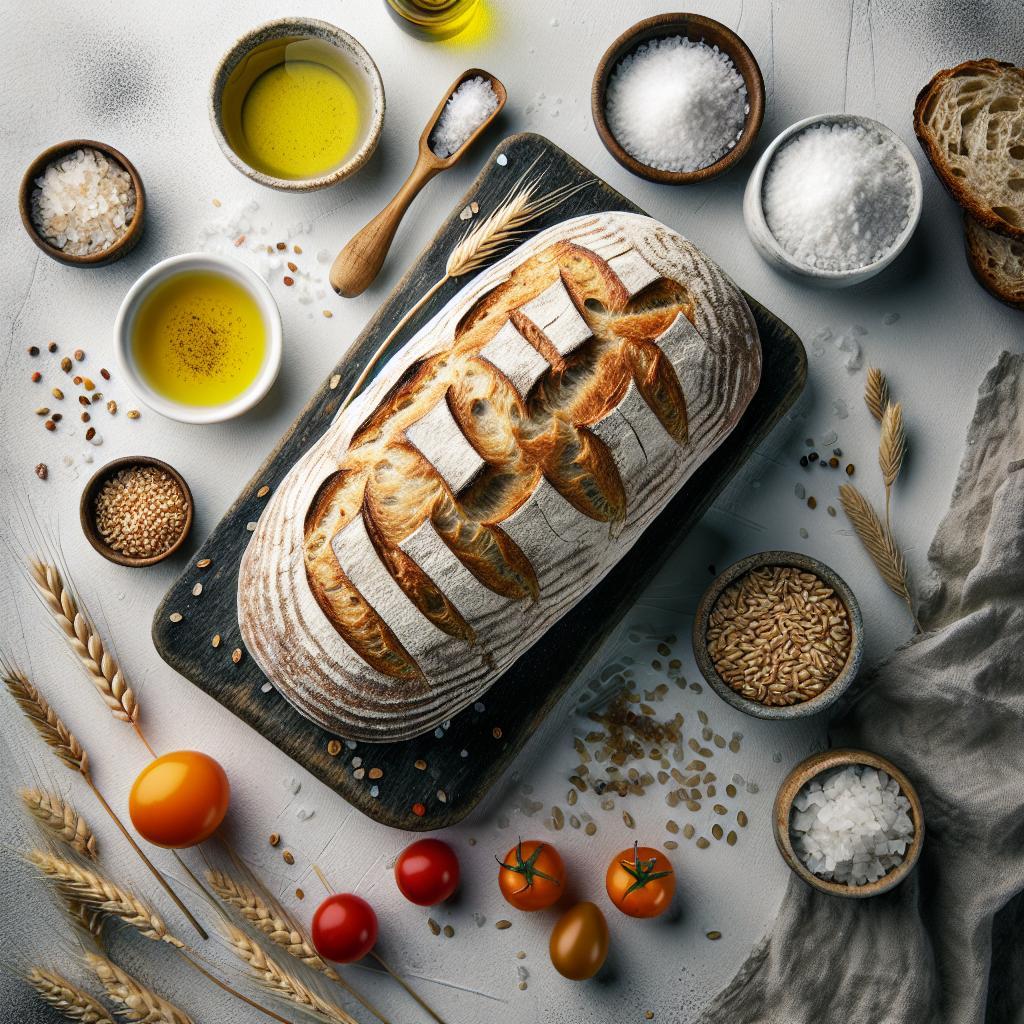
- Preheat and score: Preheat oven to 450°F (230°C). Score the dough’s surface with a sharp knife to encourage controlled expansion and create enticing crust patterns.
- Bake: Bake for 30-40 minutes. Optionally, place a pan of water at the bottom of the oven to generate steam which promotes a crisp crust. A golden-brown exterior with a crackly snap signals perfection.
- Cool and rest: Transfer bread to a cooling rack for at least 30 minutes before slicing. This rest distributes moisture evenly throughout the crumb, allowing flavor to develop fully.
Chef’s Notes: Tips for Success
- Balancing salt concentration: Adjust brine salt content between 1.5% for a subtle hint to 3% for an assertive savory punch.
- Timing the soak: A delicate 10-minute soak enhances crust crispness; prolonged soaking locks in moisture, yielding a soft but flavorful crumb.
- Substitutions: Whole wheat or spelt flour can be used for a heartier flavor; reduce brine salt slightly since whole grains are naturally saltier.
- Enhancements: Infuse your brine with herbs like rosemary or thyme for aromatic notes that enhance the bread’s complexity.
- Troubleshooting: If crust is too salty, shorten brine time or reduce salt concentration. If crumb is too dense, ensure full gluten development through kneading and rising.
Serving Suggestions
For an irresistible presentation, slice warm salt brine bread and brush the crust with melted butter infused with garlic and fresh herbs. Pair with creamy hummus or a vibrant tomato basil spread for an elevated appetizer. Garnish with a sprinkle of flaky sea salt and chia seeds to add visual appeal and texture. This bread also shines alongside roasted vegetables or a simple bowl of soup, where every bite bursts with balanced flavor and moisture.
| Nutrient | Per Slice (50g) | Amount |
|---|---|---|
| Calories | 120 kcal | |
| Protein | 4 g | |
| Carbohydrates | 22 g | |
| Fat | 1.5 g | |
| Sodium | 180 mg |
Explore more baking secrets with artisan bread techniques
For a deeper understanding of salt’s impact on dough, visit ScienceDaily’s coverage on salt and gluten structure.

Q&A
Q: What is salt brine bread baking, and why is it gaining popularity among bakers?
A: Salt brine bread baking is a technique where bread dough is either soaked or partially fermented in a saltwater solution before baking. This method enhances the bread’s flavor complexity, improves crust texture, and extends shelf life. Bakers are drawn to this approach because it unlocks deeper savory notes and creates a beautifully caramelized crust, transforming a simple loaf into a culinary masterpiece.
Q: How does salt brine influence the fermentation process in bread dough?
A: Salt in a brine solution acts as a regulator, slowing down yeast activity just enough to allow for longer, more controlled fermentation. This extended fermentation encourages the development of nuanced flavors as natural enzymes break down starches and proteins. The result is bread with a rich, well-rounded taste and an inviting aroma.
Q: What types of salt are best suited for making a salt brine, and does the choice affect the final loaf?
A: The type of salt you use can indeed influence the taste and texture of your bread. Fine sea salt or kosher salt is ideal because they dissolve easily and provide a clean, mineral-rich flavor. Avoid iodized table salt, which may impart off-flavors. Each salt variety brings its own subtle depth, allowing bakers to experiment and customize their flavor profile.
Q: Can salt brine baking techniques be applied to all kinds of bread?
A: Absolutely! While artisanal loaves like sourdough and rustic country bread benefit greatly, the salt brine method can enhance everything from dinner rolls to focaccia. The key is adjusting the salt concentration and soaking time to suit the dough type, ensuring balanced seasoning without overpowering the natural wheat flavors.
Q: What are some common pitfalls to avoid when baking bread with a salt brine?
A: One common mistake is using too salty a brine, which can kill yeast or produce an overly salty loaf. It’s crucial to measure salt concentration carefully-usually around 2-3% of the flour’s weight in salt works well. Another tip is ensuring the dough is not overproofed, as the salt can mask early signs of fermentation exhaustion.
Q: How does the crust differ when using salt brine compared to traditional bread baking methods?
A: Brining enhances crust formation by drawing out surface moisture and encouraging caramelization during baking. This process yields a crust that is crispier, glossy, and deeply flavored with subtle hints of umami. You’ll notice a satisfying crunch followed by a tender crumb inside-a perfect balance that delights the senses.
Q: Is it possible to make a salt brine bread recipe at home without specialized equipment?
A: Definitely! All you need is kitchen basics: salt, water, flour, yeast, and a good timer. Most home bakers can experiment with soaking dough or mixing saltwater into their preferred recipes. The magic comes from patience and practice, allowing you to tune the flavor and texture to your liking without fancy gear.
Q: Beyond flavor, does salt brine impact the nutritional aspects of bread?
A: While salt brine primarily enhances taste and texture, the controlled fermentation process improves digestibility by breaking down gluten and releasing beneficial nutrients. Though the sodium content does increase slightly, mindful use of brine means you keep bread flavorful yet balanced in health terms.
Q: Can salt brining be combined with other bread baking innovations, such as using alternative flours or seeds?
A: Yes! Salt brine plays well with a broad range of ingredients-whole grains, ancient grains, nuts, and seeds all develop richer flavors with this technique. Combining brine with hearty flours like rye or spelt amplifies earthy undertones, while seeds add textural contrast, creating a multi-dimensional taste experience.
Q: What steps can a baker take to begin experimenting with salt brine bread at home?
A: Start by prepping a simple salt brine solution-dissolve your salt in water at a 2-3% salt-to-flour ratio. Decide whether to soak your dough partially or integrate the brine into the dough hydration. Monitor fermentation carefully, noting the timing and dough response. With each bake, tweak salt concentration and soak duration until you discover the perfect balance for your palate. Happy baking!
To Wrap It Up
As the last crumb melts on your tongue, the magic of salt brine bread baking reveals itself-not just as a technique, but as an art form that elevates the humble loaf into a symphony of flavor and texture. By embracing the science of brining, you unlock a world where salt dances delicately within the dough, enhancing each note from crust to crumb. Whether you’re a seasoned baker or a curious novice, the journey into salt brine bread invites you to experiment, taste, and savor the transformative power of this ancient craft. So, roll up your sleeves, mix that brine, and let your oven become a stage where flavor takes its rightful bow. Happy baking!