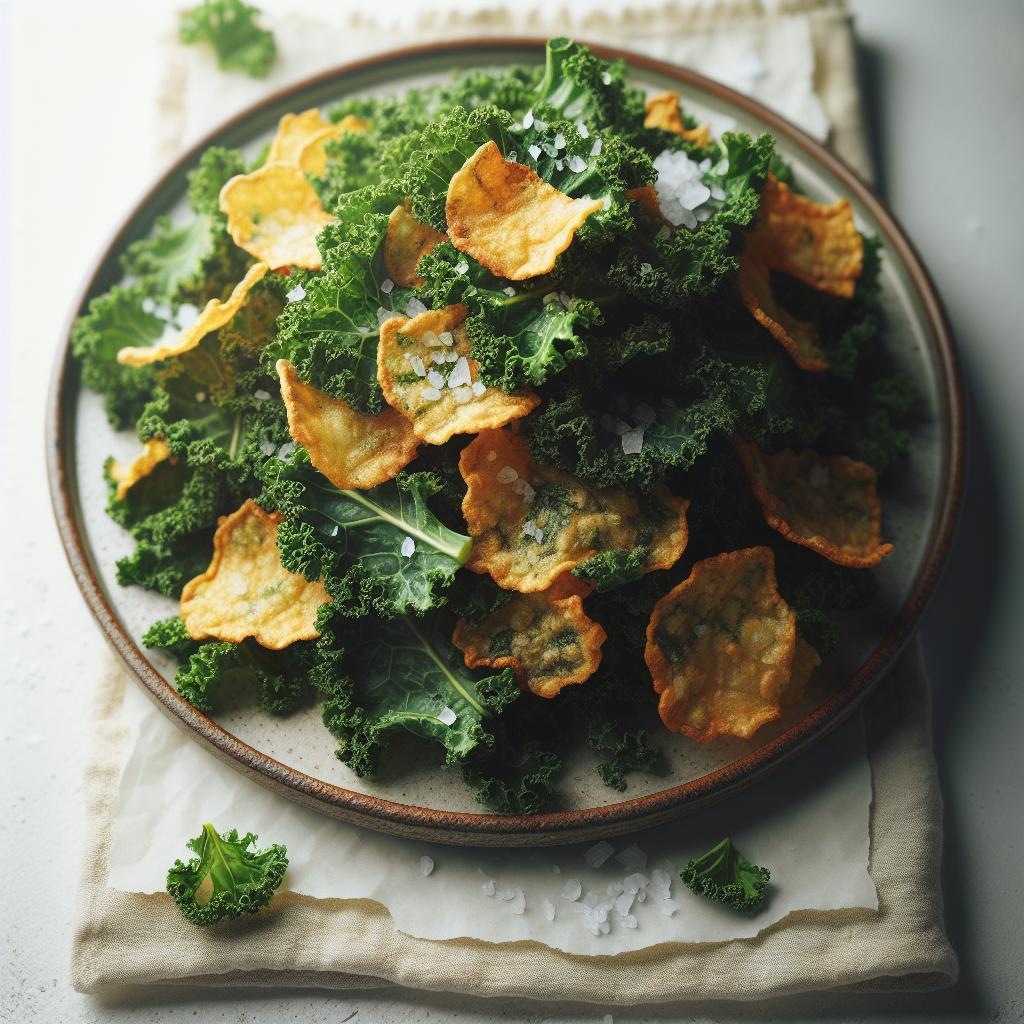

In a world where snacking often leans toward the indulgently greasy or sugar-laden, a vibrant, wholesome alternative has been quietly stealing the spotlight-sea salt kale chips. Their irresistible crunch and delicate seasoning transform humble leafy greens into a crispy delight that’s as nourishing as it is addictive. Whether you’re a seasoned kale enthusiast or a curious newcomer, this ultimate guide to sea salt kale chips will unravel the secrets behind their perfect texture, the health benefits packed into each bite, and foolproof methods to craft your own batch at home. Prepare to elevate your snack game with a treat that’s simple, savory, and wonderfully satisfying.
- The Art of Perfectly Crisping Kale Leaves
- Choosing the Ideal Sea Salt for Flavor Enhancement
- Creative Seasoning Blends to Elevate Your Kale Chips
- Baking Techniques and Storage Tips for Lasting Crunch
- Prep and Cook Time
- Yield
- Difficulty Level
- Ingredients
- Instructions
- Tips for Success
- Serving Suggestions
- Q&A
- Closing Remarks
The Art of Perfectly Crisping Kale Leaves
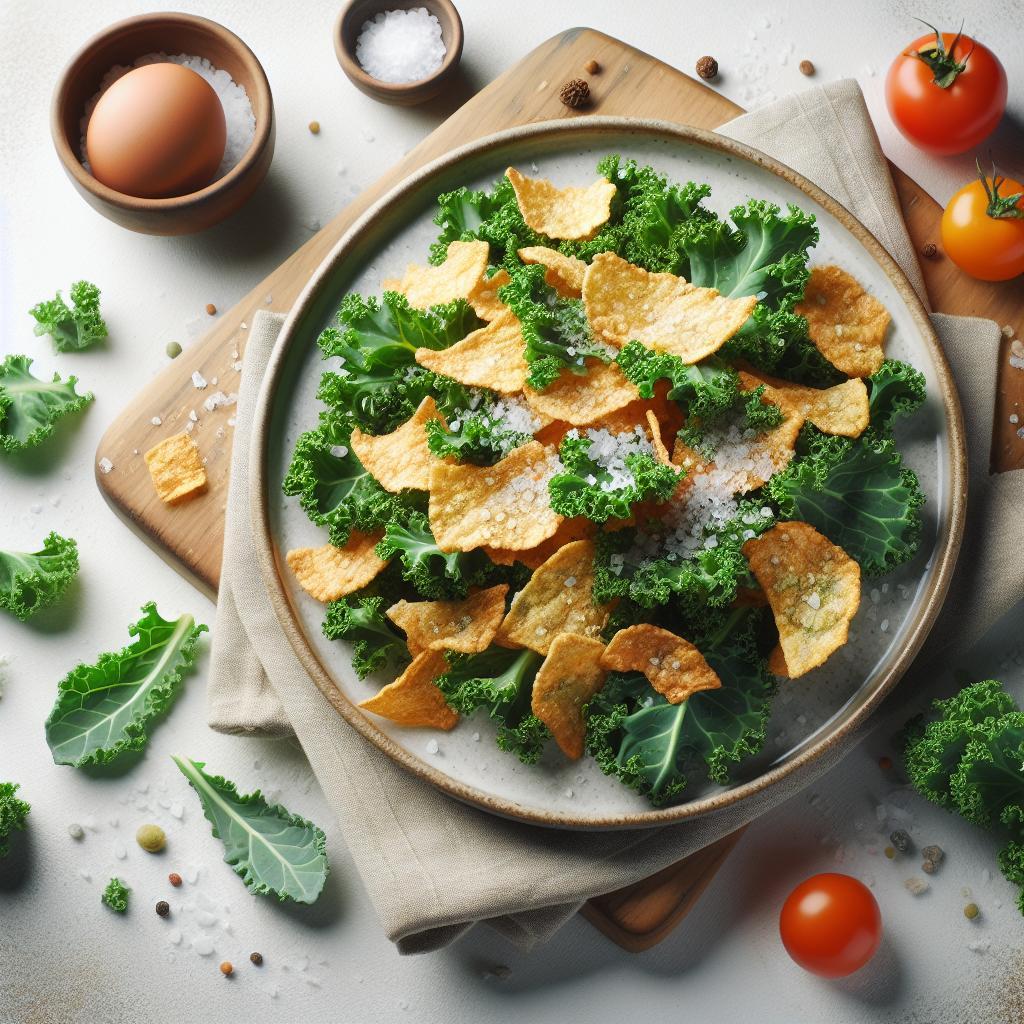
Sea salt kale chips have become a favorite snack for health-conscious food lovers everywhere, and achieving that perfect crisp is truly an art form. The key lies in selecting fresh, tender kale leaves with sturdy ribs and preparing them meticulously. Begin by choosing organic dinosaur kale or curly kale with medium-sized leaves-large enough to create satisfying chips but small enough to crisp evenly.
Gently washing and thoroughly drying the kale is essential; excess moisture will steam the leaves rather than crisp them. Using a salad spinner or patting leaves dry with paper towels ensures the surface is perfectly ready for the magic of crisping. Tear the leaves into bite-sized pieces, being sure to remove the thick, fibrous veins that can remain chewy. This process allows the heat to penetrate evenly, delivering a crunchy texture that delights the palate with every bite.
Choosing the Ideal Sea Salt for Flavor Enhancement
Not all salts are created equal when it comes to seasoning kale chips. Using a flaky sea salt such as Maldon or Celtic Grey adds a delicate crunch and a subtle briny finish that elevates the natural earthiness of kale. These salts dissolve just enough during baking to infuse flavor without overpowering the chip’s crisp integrity.
For adventurous palates, finishing with a pinch of smoked sea salt can lend a gentle warmth reminiscent of a campfire, while pink Himalayan sea salt imparts trace minerals that enhance depth. Avoid using finely ground table salt, as it tends to dissolve too quickly, leaving chips less flavorful and sometimes soggy.
Creative Seasoning Blends to Elevate Your Kale Chips
While classic sea salt kale chips shine with simplicity, incorporating creative seasoning blends invites a world of flavor possibilities. Try tossing the kale pieces in a mixture of nutritional yeast for a cheesy, umami-rich boost, along with a sprinkle of garlic powder and smoked paprika for a subtle smoky savoriness.
For a zesty twist, blend lemon zest, a dash of cayenne pepper, and fresh cracked black pepper before sprinkling onto the leaves. Herb enthusiasts can experiment with dried rosemary or thyme infused with a touch of olive oil. These layers of seasoning not only amp up taste but also create vibrant color contrasts, making your kale chips an irresistible snack centerpiece.
Baking Techniques and Storage Tips for Lasting Crunch
Perfecting the baking technique is crucial to keep your kale chips crisp long after baking. Arrange the kale in a single, even layer on a parchment-lined baking sheet, ensuring no leaves overlap. Bake at a low temperature around 300°F (150°C) to gradually dehydrate the leaves without burning them. Stir and rotate the tray halfway through baking (approximately 15 minutes in) to promote consistent crisping.
When the edges turn golden and the leaves snap easily, remove from the oven and allow to cool completely on the baking sheet. This cooling phase locks in the crunch. To avoid moisture absorption, store your kale chips in an airtight container lined with a dry paper towel and consume within 2-3 days for the freshest experience.
Prep and Cook Time
- Prep Time: 10 minutes
- Cook Time: 25 minutes
- Total Time: 35 minutes
Yield
Yields approximately 4 servings of delightfully crisp kale chips, perfect for snacking or sharing.
Difficulty Level
Easy – Ideal for beginner cooks and experienced snack makers alike.
Ingredients
- 1 large bunch of organic kale (approximately 8 cups after tearing)
- 2 tablespoons extra virgin olive oil
- 1 teaspoon flaky sea salt (Maldon or Celtic Grey preferred)
- Optional seasoning blend:
- 1 tablespoon nutritional yeast
- 1/2 teaspoon garlic powder
- 1/4 teaspoon smoked paprika
Instructions
- Prepare the kale: Rinse kale leaves thoroughly and dry completely using a salad spinner or clean kitchen towel. Remove the stems and tear leaves into bite-sized pieces.
- Season: Place the kale in a large bowl and drizzle with olive oil. Massage gently to coat the leaves evenly without saturating them. Sprinkle with flaky sea salt and any optional seasoning blend of your choice, tossing to distribute.
- Arrange for baking: Spread the kale leaves in a single layer on a parchment-lined baking sheet, taking care to avoid overlap for even baking.
- Bake: Preheat oven to 300°F (150°C). Bake for 20 minutes, rotating the tray halfway through. Monitor closely to prevent burning; chips are done when edges appear golden and kale snaps easily.
- Cool: Remove the baking sheet and allow kale chips to cool completely before storing or serving. This step is vital for maintaining optimum crispness.
Tips for Success
- Ensure kale is completely dry before oiling to prevent soggy chips.
- Use high-quality, cold-pressed olive oil for better flavor and crispness.
- Baking at lower temperatures reduces risk of burnt edges and promotes consistent crunch.
- Experiment with seasoning sparingly-the less oil and dry spices, the better the crunch.
- Store kale chips in airtight containers with a dry paper towel to absorb moisture.
- For a faster method, use a dehydrator set to 125°F (52°C) for about 1.5 hours, rotating frequently.
Serving Suggestions
Serve your crisply seasoned kale chips alongside a tangy Greek yogurt dip or a creamy avocado hummus for a satisfying snack duo. Garnish with a light drizzle of chili-infused olive oil or finely grated lemon zest to add a burst of brightness. Pairing these sea salt kale chips with a chilled cucumber and tomato salad creates a refreshing balance that’s perfect for summer gatherings or anytime you crave a guilt-free crunch.
| Nutrient | Per Serving |
|---|---|
| Calories | 70 |
| Protein | 3g |
| Carbohydrates | 8g |
| Fat | 4.5g |
Discover more healthy snacks here and explore vibrant, guilt-free snack options. For expert nutritional science behind leafy greens and salt interaction, visit the Harvard T.H. Chan School of Public Health.

Q&A
Q&A: Crispy Delight – The Ultimate Guide to Sea Salt Kale Chips
Q1: What makes kale chips a healthier snack option compared to traditional chips?
A1: Kale chips harness the natural powerhouse of nutrients found in kale-a leafy green abundant in vitamins A, C, and K, as well as antioxidants and fiber. Unlike conventional chips, which are often loaded with unhealthy fats and additives, kale chips offer a crispy texture with a fraction of the calories, making them a guilt-free, nutrient-packed crunch.
Q2: How do you achieve the perfect crispy texture in sea salt kale chips?
A2: The secret lies in preparation and temperature control. Start with thoroughly washed and impeccably dried kale leaves; moisture is the arch-nemesis of crispiness. Lightly massage the leaves with a drizzle of olive oil and sprinkle evenly with sea salt before baking at a low temperature (around 275°F or 135°C). Patience is key-slow baking ensures a dry, crunchy finish rather than a burnt or soggy chip.
Q3: Can you use different types of salt in kale chips, or is sea salt best?
A3: While sea salt is favored for its delicate briny crunch and natural mineral content that enhances flavor subtly, other salts like Himalayan pink or kosher salt work beautifully too. The choice ultimately depends on your taste preference and the texture crunch you desire-just remember, the salt’s coarseness influences how it ‘sprinkles’ on and blends with the kale’s surface.
Q4: What are some creative twists to customize basic sea salt kale chips?
A4: Elevate your kale chips by experimenting with natural seasonings! Dust them with smoked paprika, nutritional yeast for a cheesy flavor, garlic powder, or a zing of cayenne pepper for a gentle kick. Even a splash of lemon zest before baking adds a bright, refreshing dimension. The possibilities are endless and encourage playful culinary adventures.
Q5: Is it better to use curly kale or another variety for making chips?
A5: Curly kale is the most popular choice due to its sturdy texture and ruffled edges that hold oil and seasonings well. However, dinosaur kale (lacinato) makes an intriguing alternative, offering a slightly earthier taste and a thinner, more delicate crisp. Whichever you choose, ensure leaves are fresh and free from blemishes for optimal chip quality.
Q6: How should sea salt kale chips be stored to maintain crispness?
A6: Store kale chips in an airtight container at room temperature, away from humidity and direct sunlight. If they lose their crunch, a brief re-bake in a low oven can revive their crispy charm. Avoid refrigeration, as cold air tends to introduce moisture, leading to sogginess.
Q7: Can I make sea salt kale chips without an oven?
A7: Yes! A food dehydrator is an excellent alternative, gently removing moisture while preserving nutrients and color. Aim for a dehydrator temperature around 115°F (46°C) and let the kale chip magic happen over several hours. For adventurous cooks, air frying offers a speedy, crunchy result but may require slight oil adjustments.
Q8: Are sea salt kale chips suitable for all dietary lifestyles?
A8: Absolutely. These chips are naturally vegan, gluten-free, low-carb, and free from processed ingredients. They make for a versatile snack option compatible with plant-based diets, paleo approaches, and even keto-friendly plans when seasoned simply.
Q9: What common mistakes should be avoided when making kale chips?
A9: Avoid washing kale and going straight to baking without fully drying; residual water steams the leaves instead of crisping them. Don’t overload the baking tray-overcrowding causes uneven heat circulation. Lastly, resist the urge to bake at super-high temperatures, which can burn the edges while leaving some leaves limp.
Q10: Why sea salt instead of table salt?
A10: Sea salt is less processed, offering a more nuanced flavor profile and a satisfying crunch that complements kale’s texture. Its natural trace minerals can subtly enhance the overall taste experience, making every bite of your kale chips a crispy, flavorful delight.
Closing Remarks
As the satisfying crunch of homemade sea salt kale chips fades from your fingertips, you’ll find that this crispy delight is much more than just a snack-it’s a celebration of wholesome flavor and simple ingredients. Whether you’re a kale connoisseur or a curious newcomer, these chips offer a perfect balance of nutrition and indulgence. Embrace the art of making your own, and transform humble kale leaves into a guilt-free treat that’s as nourishing as it is delicious. So next time cravings strike, remember: the ultimate sea salt kale chip experience is just a bake away, inviting you to savor every crispy, salty bite with confidence and delight.