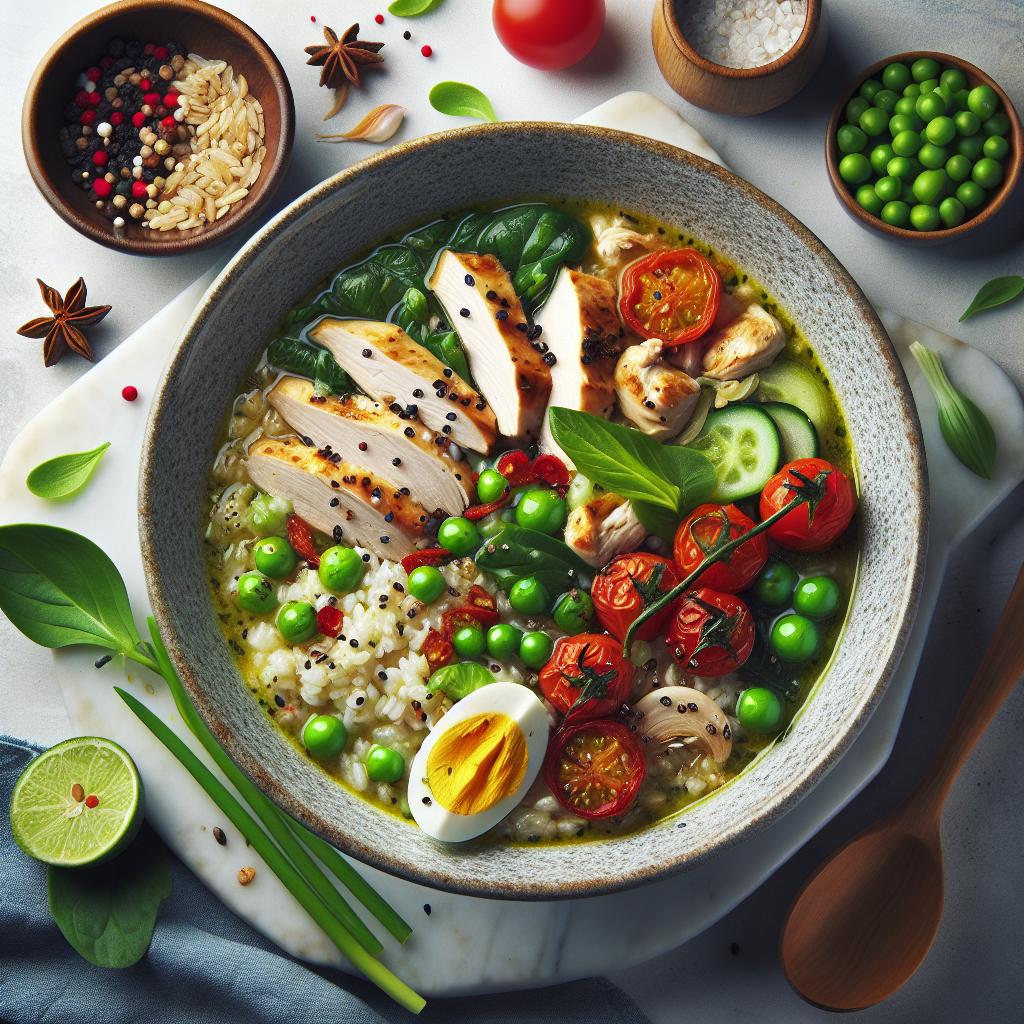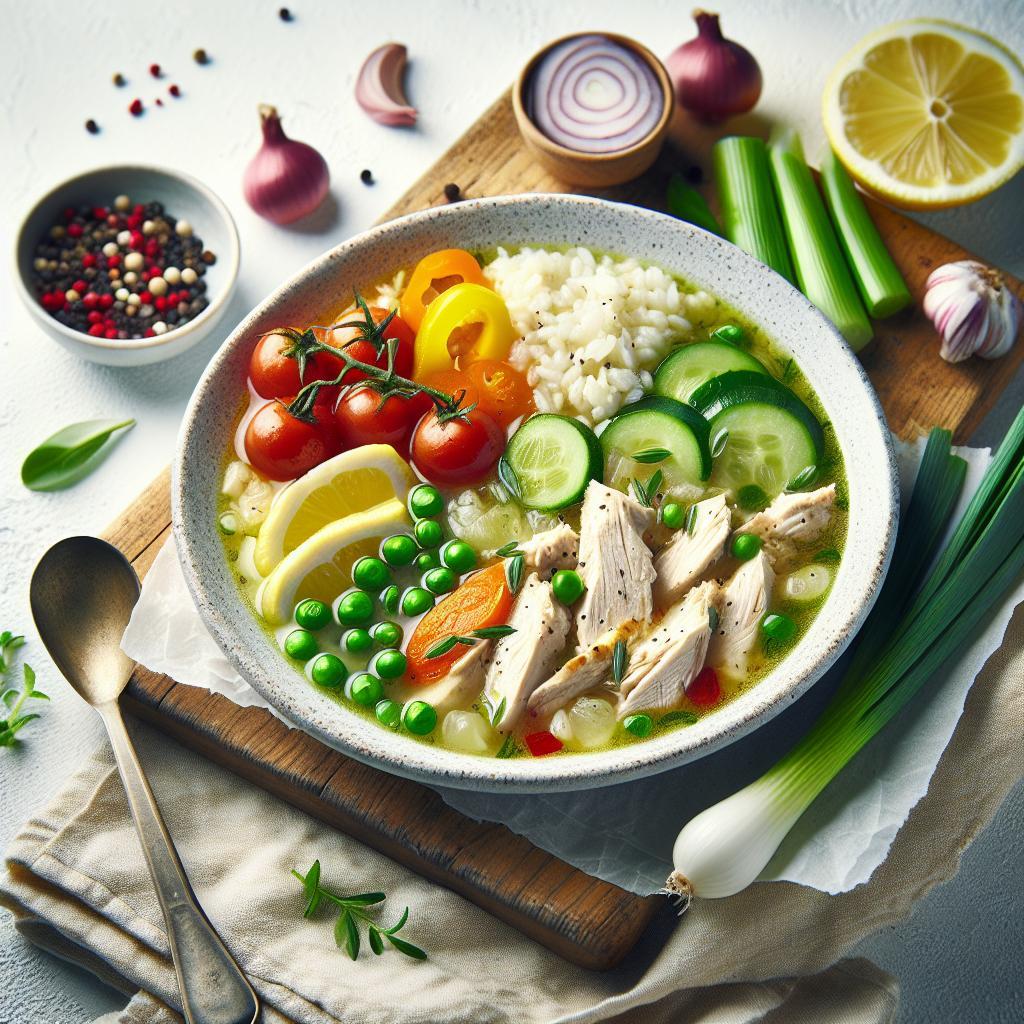

There’s something undeniably soothing about a steaming bowl of chicken and rice soup-a timeless classic that wraps you in warmth and comfort with every spoonful. Whether it’s chasing away the chill of a snowy evening or nursing a weary soul on a sluggish day, this humble dish has earned its place in kitchens and hearts worldwide. But beyond its cozy reputation lies a fascinating harmony of flavors, textures, and nourishing goodness waiting to be explored. Welcome to “Warm Comfort: The Ultimate Guide to Chicken and Rice Soup,” where we dive deep into the art and science of crafting the perfect pot, sharing tips, tricks, and variations to elevate this beloved staple from simple sustenance to culinary masterpiece. Get ready to stir up some comfort, one hearty ladle at a time.
Embracing Tradition and Wellness Through Every Spoonful
Warm Comfort: The Ultimate Guide to Chicken and Rice Soup invites you on a journey through a culinary classic cherished across cultures for its nurturing essence and healthful qualities. This dish traces its roots to humble hearths worldwide, celebrated as a remedy for the body and soul, reconnecting us with the simple pleasures of wholesome nourishment.
The magic of chicken and rice soup lies not merely in its ingredients but in the deeply satisfying broth, infused with collagen-rich chicken bones and aromatic vegetables, simmered long enough to awaken layers of wholesome flavor. Its reputation as a restorative meal is backed by nutritional virtues-rich protein and easily digestible carbs that replenish energy without weighing you down.
Prep and Cook Time
Preparation: 20 minutes
Cooking: 1 hour 15 minutes
Total Time: 1 hour 35 minutes
Yield
6 hearty servings
Difficulty Level
Easy to Medium – Perfect for both beginner cooks and seasoned food lovers seeking soul-soothing simplicity
Ingredients
- 1 whole chicken (3-4 lbs),
- 1 cup long-grain basmati rice,
- 2 large carrots,
- 2 celery stalks,
- 1 large yellow onion,
- 4 cloves garlic,
- 1 bay leaf
- 1 teaspoon whole black peppercorns
- 6 cups low-sodium chicken broth (homemade or store-bought)
- 2 tablespoons olive oil
- Salt to taste
- Fresh herbs for garnish: parsley, thyme, or dill
- Optional seasonal vegetables: diced zucchini, peas, or kale
Instructions
- Prepare the broth base: In a large heavy-bottomed pot, heat olive oil over medium heat. Add chopped onions, carrots, and celery. Sauté until soft and translucent, about 6-8 minutes, stirring occasionally to prevent browning.
- Build the depth of flavor: Add minced garlic and cook for 1 more minute until fragrant. Pour in the chicken broth, and gently place the quartered chicken into the pot. Add bay leaf and peppercorns.
- Simmer to perfection: Bring the broth to a gentle boil, then reduce heat and cover. Allow it to simmer for 45 minutes to 1 hour, skimming any foam that rises to keep the broth clear and pure.
- Remove chicken: Carefully take out the chicken pieces and set aside to cool. Strain the broth through a fine sieve to remove solids, then return to the pot.
- Cook the rice: Add the rinsed basmati rice to the clear broth and simmer for 12-15 minutes until tender but not mushy. If using seasonal vegetables, add them during the last 5 minutes of cooking.
- Shred the chicken: While the rice cooks, remove skin and bones from the cooled chicken, shredding the meat into bite-sized pieces.
- Combine and season: Stir shredded chicken back into the soup, season with salt to taste, and gently reheat if necessary for 3-5 minutes until piping hot.
- Garnish and serve: Ladle the soup into bowls and sprinkle generously with freshly chopped herbs for a burst of aroma and color, completing this warm comfort.
Tips for Success
- Choosing cuts: Using a whole chicken or bone-in pieces like thighs and drumsticks gives a richer broth than boneless breasts alone.
- Rice selection: Long-grain basmati offers a fluffy texture that doesn’t easily clump, but jasmine rice or arborio can also be excellent alternatives for distinct mouthfeel.
- Herbs matter: Fresh herbs added at the end preserve their brightness and enhance the final presentation – thyme for earthy notes, dill for a subtle tang, and parsley for vibrant freshness.
- Make-ahead ease: Soup flavors meld beautifully after a day, so prepare in advance and refrigerate. Reheat gently to maintain texture and brightness.
- Clear broth tips: Skim foam early during simmering to achieve a pure, clean-tasting broth. Avoid boiling vigorously to prevent cloudiness.
Serving Suggestions
Serve this Warm Comfort soup in deep bowls accompanied by rustic crusty bread or warm naan to soak up every last bit of broth. Garnish with freshly cracked black pepper and a drizzle of high-quality extra virgin olive oil to amplify richness. For an elevated touch, add a squeeze of fresh lemon juice to brighten the palate or a dollop of plain Greek yogurt for creamy contrast.
Pair with a light green salad studded with toasted nuts or roasted vegetables to round out a wholesome, soul-satisfying meal.
Nutritional Information per Serving
| Calories | Protein (g) | Carbohydrates (g) | Fat (g) |
|---|---|---|---|
| 310 | 32 | 28 | 8 |

For those eager to deepen their expertise, consult Healthline’s overview of chicken soup health benefits for additional insights into its restorative properties. Also, explore our collection of hearty soup recipes to expand your comforting seasonal repertoire.
Q&A
Q&A: Warm Comfort – The Ultimate Guide to Chicken and Rice Soup
Q1: What makes chicken and rice soup such a beloved comfort food?
A1: Chicken and rice soup is a timeless classic because it combines the nourishing warmth of a savory broth with tender chicken and soothing rice. It’s gentle on the stomach, packed with protein and carbs, and evokes a sense of home and care, making it the perfect remedy for chilly days and when you need a hug in a bowl.
Q2: How can I ensure my chicken stays moist and flavorful in the soup?
A2: To keep chicken tender, simmer it gently rather than boiling vigorously. Using bone-in, skin-on pieces at first infuses the broth with rich flavor, and then you can shred the meat before adding it back to the soup. Cooking the chicken slowly allows it to soak up the broth’s seasoning without drying out.
Q3: What variety of rice works best in chicken and rice soup?
A3: Long-grain white rice is often preferred for its light texture and quick cooking time, which helps keep the soup clear rather than too thick. However, short-grain rice and even wild rice blend can add interesting texture and nutty flavors. The key is to add the rice at the right time, so it cooks through but doesn’t turn mushy.
Q4: Are there creative twists to traditional chicken and rice soup to elevate the flavor?
A4: Absolutely! Infuse the broth with fresh herbs like thyme, rosemary, and bay leaves during simmering. Adding a splash of lemon juice or a sprinkle of freshly grated ginger can brighten the flavor profile. You can also toss in diced vegetables like carrots, celery, and leeks for added nutritional punch and color.
Q5: How do I make this soup hearty enough for a satisfying meal?
A5: To bulk up the soup, incorporate chunky vegetables such as potatoes, sweet corn, or even butternut squash. Adding legumes like lentils or chickpeas before serving can also increase heartiness. Don’t forget to balance the ingredients so the rice remains a gentle cushion rather than overtaking the broth.
Q6: Can chicken and rice soup be frozen, and how should I reheat it?
A6: Yes! This soup freezes wonderfully. For best results, slightly undercook the rice before freezing so it doesn’t become too soft upon reheating. When reheating, warm the soup gently on the stove, adding a bit of water or broth if it’s too thick. This preserves texture and flavor for your next cozy meal.
Q7: Is chicken and rice soup suitable for all dietary preferences?
A7: Chicken and rice soup can easily cater to many diets by adjusting the broth and vegetable selections. Using homemade or low-sodium chicken broth ensures better control over salt content. For gluten-free diets, rice is naturally safe, making this dish a go-to option. Just remember to avoid any processed additives or seasoning blends containing gluten.
Q8: What are some traditional and cultural variations of chicken and rice soup around the world?
A8: Around the globe, chicken and rice soup takes on many forms-from the comforting Greek Avgolemono, enriched with egg and lemon, to Asian-inspired chicken congee featuring silky texture and ginger aroma. Each version celebrates local flavors and cooking methods while maintaining the heartwarming essence that makes this dish universally loved.
Q9: How important is the balance between broth and rice in this soup?
A9: Striking the right balance is key. Too much rice can make the soup overly thick and porridge-like, while too little can leave it watery and less satisfying. The goal is a broth that is flavorful and aromatic, with just enough rice to add body and substance, creating a perfectly comforting harmony.
Q10: What are simple garnishes or finishing touches to elevate chicken and rice soup’s presentation and taste?
A10: A handful of fresh chopped parsley or cilantro adds a burst of color and freshness. A drizzle of high-quality olive oil or a sprinkle of cracked black pepper can enhance aroma and richness. For a hint of indulgence, some crispy toasted garlic or a spoonful of creamy yogurt on top can transform the soup into an elegant yet cozy treat.
In Conclusion
As the steam rises gently from your bowl, carrying the rich aroma of tender chicken and wholesome rice, you realize that chicken and rice soup is more than just a meal-it’s a warm embrace on a chilly day, a timeless comfort that nourishes both body and soul. Whether you’re nursing a cold, seeking a simple weeknight dinner, or craving a taste of home, this ultimate guide has shown you how to craft a bowl that soothes, satisfies, and sustains. So next time the world feels a little too brisk, remember: sometimes, the simplest ingredients create the coziest moments. Warm comfort is just a ladle away.