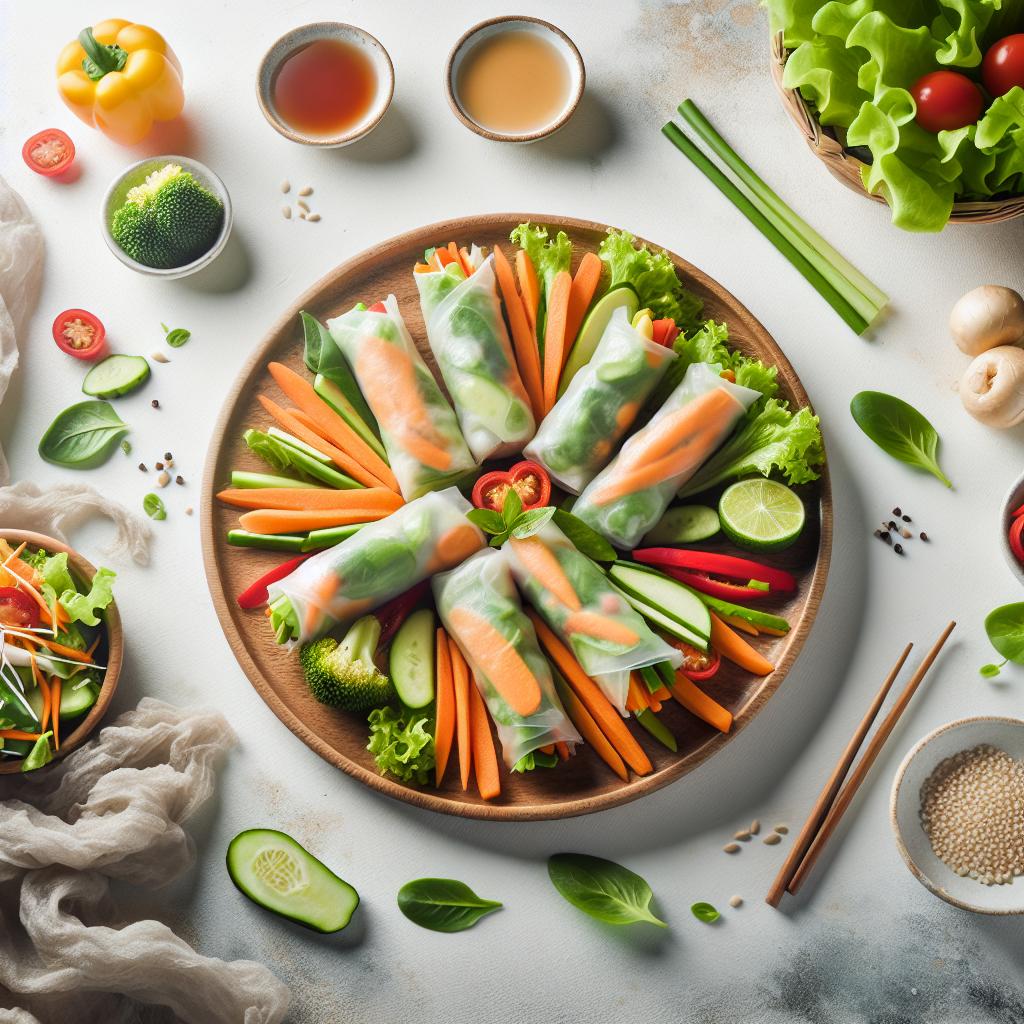

In the vibrant world of culinary delights, few dishes capture the essence of freshness and finesse quite like the vegetable spring roll. Crisp & Fresh: The Art of Perfect Vegetable Spring Rolls invites you on a sensory journey where delicate wrappers embrace a colorful symphony of garden-fresh vegetables, bursting with flavor and texture. This timeless appetizer, beloved across cultures, is more than just a snack-it’s a celebration of balance, technique, and artistry. Join us as we unravel the secrets behind achieving that enviable crunch and radiant freshness, transforming humble ingredients into an irresistible bite that delights both the eye and the palate.
Crisp & Fresh: The Art of Perfect Vegetable Spring Rolls
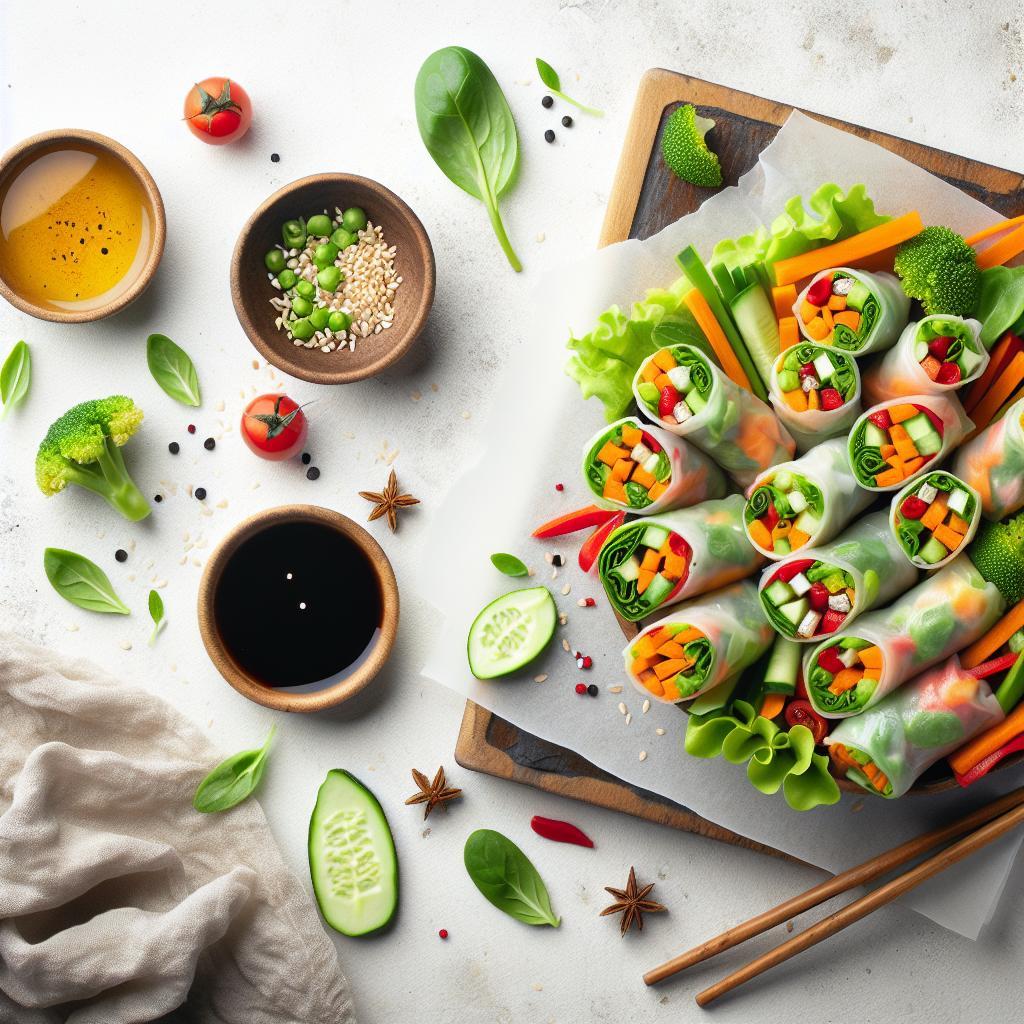
Crisp & Fresh: The Art of Perfect Vegetable Spring Rolls captures the magic of vibrant textures and flavors wrapped in delicate rice paper. From bustling streets of Vietnam to your kitchen counter, these spring rolls celebrate freshness and balance-a delicious harmony of crunch and softness that delights every bite. Achieving that impeccable texture isn’t just culinary luck; it’s a science of selecting and preparing vegetables, mastering wrapping technique, and preserving freshness. Let’s dive into the heart of this art and unlock your ability to create flawless, irresistible spring rolls that sing with crispness.
Prep and Cook Time
- Preparation: 25 minutes
- Cooking (for blanching/roasting vegetables if applicable): 10 minutes
- Total Time: 35 minutes
Yield
Serves 6 (about 12 spring rolls)
Difficulty Level
Intermediate
Ingredients
- 8-10 sheets rice paper wrappers
- 1 cup julienned carrots
- 1 cup thinly sliced cucumber (seeds removed)
- 1 cup shredded red cabbage
- 1 cup bean sprouts, rinsed and drained
- ½ cup fresh mint leaves, loosely packed
- ½ cup fresh cilantro leaves
- ½ cup thinly sliced bell peppers (red, yellow, or orange)
- 1 ripe avocado, thinly sliced (optional for creaminess)
- 2 tbsp toasted sesame seeds or crushed peanuts for garnish
- Rice vermicelli noodles: 100g, cooked according to package instructions (optional)
Instructions
- Prepare the vegetables: Wash all vegetables thoroughly. Remove seeds from cucumbers and bell peppers to reduce excess moisture and bitterness. Julienne carrots and slice the cucumber and bell peppers into thin, uniform strips for consistent texture. Thin, even cuts create a more pleasurable crisp bite.
- Soften the rice paper wrappers: Fill a large shallow bowl with warm water. Submerge one rice paper wrapper completely for 10-15 seconds or just until pliable but not too soft-over-soaking causes tearing. Lay the softened wrapper flat on a damp, clean kitchen towel or wooden board.
- Layer fillings carefully: Arrange a small handful of carrots, cucumber, cabbage, bean sprouts, mint, cilantro, bell peppers, and optional avocado slices across the bottom third of the rice wrapper. If using vermicelli noodles, add them lightly to maintain moisture balance-too much can lead to sogginess.
- Master the wrapping: Fold the bottom edge over the filling tightly without bursting the rice paper. Fold the sides inward snugly to encase the filling, then continue rolling upwards firmly but gently until fully closed. Ensuring a tight roll preserves that coveted crisp & fresh texture without tears.
- Repeat: Continue the process with remaining rice papers and fillings. Place each finished roll on a lightly damp towel to prevent sticking.
- Serve or store: For immediate serving, plate with fresh herbs and garnish with toasted sesame or crushed peanuts. To store, wrap each roll individually in plastic wrap and place in an airtight container with a damp paper towel to maintain moisture without compromising crispness.
Tips for Success: Achieving Crisp & Fresh Spring Rolls
- Select firm, fresh vegetables: Look for carrots and cucumber with no signs of limpness. Use crunchy varieties like red cabbage and bell peppers for maximum texture contrast.
- Dry vegetables thoroughly: Excess water dilutes crispness. Pat them dry gently but completely with paper towels before assembly.
- Control moisture with rice paper: Avoid over-soaking to prevent tearing and sogginess. Practice a 10-15 second soak and quickly remove.
- Keep herbs loose: Tightly pressed herbs can wilt quickly; layer them loosely for freshness.
- Serve promptly: Spring rolls are best eaten immediately but can last a day when stored correctly. Pour dipping sauces at the table to avoid sogginess.
- Experiment with rolling: Use your fingertips to gently but firmly seal edges, maximizing spring roll structure without damaging delicate rice paper.
- Make-ahead tip: Prepare vegetables and herbs, keeping them covered separately in the fridge until ready to roll.
Serving Suggestions
Present these crisp & fresh vegetable spring rolls on a rustic wooden board or colorful plate interspersed with sprigs of mint and cilantro. Accompany with dipping sauces like a tangy peanut sauce, a light Vietnamese nuoc cham, or sweet chili sauce to add complexity and contrast. Garnish each plate with crushed peanuts or sesame seeds for visual appeal and an added layer of textural intrigue. Complement with a chilled glass of jasmine tea or cucumber-infused water for a refreshing meal experience.
| Nutrient | Per Serving (2 rolls) |
|---|---|
| Calories | 150 kcal |
| Protein | 4 g |
| Carbohydrates | 28 g |
| Fat | 3 g |

Expand your culinary repertoire with more healthy vegetable snacks or explore the science behind textures in cooking via ScienceDaily’s texture and flavor research.
Q&A
Q&A: Crisp & Fresh: The Art of Perfect Vegetable Spring Rolls
Q1: What makes a vegetable spring roll truly crisp and fresh?
A1: Achieving that perfect crispness comes from a combination of thin, well-moistened rice paper or spring roll wrappers and precise frying technique. Using fresh, crunchy vegetables like julienned carrots, cucumbers, bell peppers, and cabbage ensures a burst of freshness inside. Properly draining excess moisture from fillings prevents sogginess, while quick frying at the right temperature locks in crunch without greasiness.
Q2: Which vegetables are best for stuffing spring rolls to maintain vibrant texture and flavor?
A2: Opt for vegetables that retain their crunch and add a variety of textures and colors. Shredded carrots, bean sprouts, water chestnuts, thinly sliced bell peppers, green onions, and cabbage are excellent choices. Herbs like mint, cilantro, or Thai basil brighten the taste and uplift the overall freshness.
Q3: How can I prevent vegetable spring rolls from becoming soggy after cooking?
A3: To keep spring rolls crisp, ensure your palette is dry before rolling. Pat dry vegetables to remove excess water and avoid overstuffing wrappers. When frying, use hot oil (around 350°F/175°C) and fry in small batches to maintain consistent heat. Drain on wire racks or paper towels immediately after frying to remove excess oil.
Q4: Are there techniques for making spring rolls without deep-frying while still keeping them crisp?
A4: Absolutely! Baking or air frying offers healthier alternatives. Lightly brush rolls with oil before baking at high temperature (around 400°F/200°C) or air frying to achieve a golden, crisp exterior. For a no-cook option, fresh spring rolls wrapped in rice paper with crisp veggies serve as a refreshing alternative that showcases natural crunch.
Q5: What dipping sauces complement vegetable spring rolls best?
A5: Classic dipping sauces enhance the rolls’ flavor profile. Tangy, slightly sweet chili-garlic sauce pairs beautifully, as does a fragrant peanut sauce with hints of lime and soy. A simple blend of soy sauce, rice vinegar, sesame oil, and minced garlic adds an umami kick without overpowering the delicate veggies.
Q6: How can I creatively elevate the flavors inside vegetable spring rolls?
A6: Experiment with textures and seasoning by adding finely chopped roasted nuts, toasted sesame seeds, or thin slices of ripe avocado. Incorporating mild heat with fresh chili or a touch of ginger brightens the complexity. Dressing the filling lightly with lime juice or a dash of tamari before wrapping infuses subtle layers of flavor.
Q7: What kind of wrappers work best for vegetable spring rolls?
A7: Traditional rice paper wrappers create a delicate, translucent shell perfect for fresh spring rolls, while wheat-based or egg roll wrappers deliver a sturdier, crispier bite when fried. Selecting the wrapper depends on the cooking style-fresh, baked, or fried-and desired texture.
Q8: Can vegetable spring rolls be prepared in advance without losing quality?
A8: Spring rolls made fresh are always ideal for crispness, but you can make them ahead by keeping components separate. Store fillings in airtight containers and roll shortly before serving. For fried spring rolls, reheat in a hot oven or air fryer to regain crispness rather than microwaving, which leads to sogginess.
Crafting the perfect vegetable spring roll is both a science and an art-a celebration of vibrant textures, fresh flavors, and that irresistible crunch that makes every bite a joy. With thoughtful prep and mindful cooking, your kitchen can bring this classic to life in delightful new ways.
Concluding Remarks
As the delicate crunch of a perfectly crafted vegetable spring roll melts in your mouth, it’s clear that this humble snack embodies a harmonious blend of texture, flavor, and artistry. Mastering the art of crisp and fresh spring rolls is not just about following a recipe-it’s about celebrating each vibrant ingredient and honoring the tradition behind every fold. Whether you’re a seasoned chef or a curious home cook, embracing these techniques promises a delightful journey into the world of fresh, healthy, and irresistibly crunchy bites. So, roll up your sleeves, gather your freshest vegetables, and let each spring roll be a testament to the timeless joy of crafting something truly delicious.