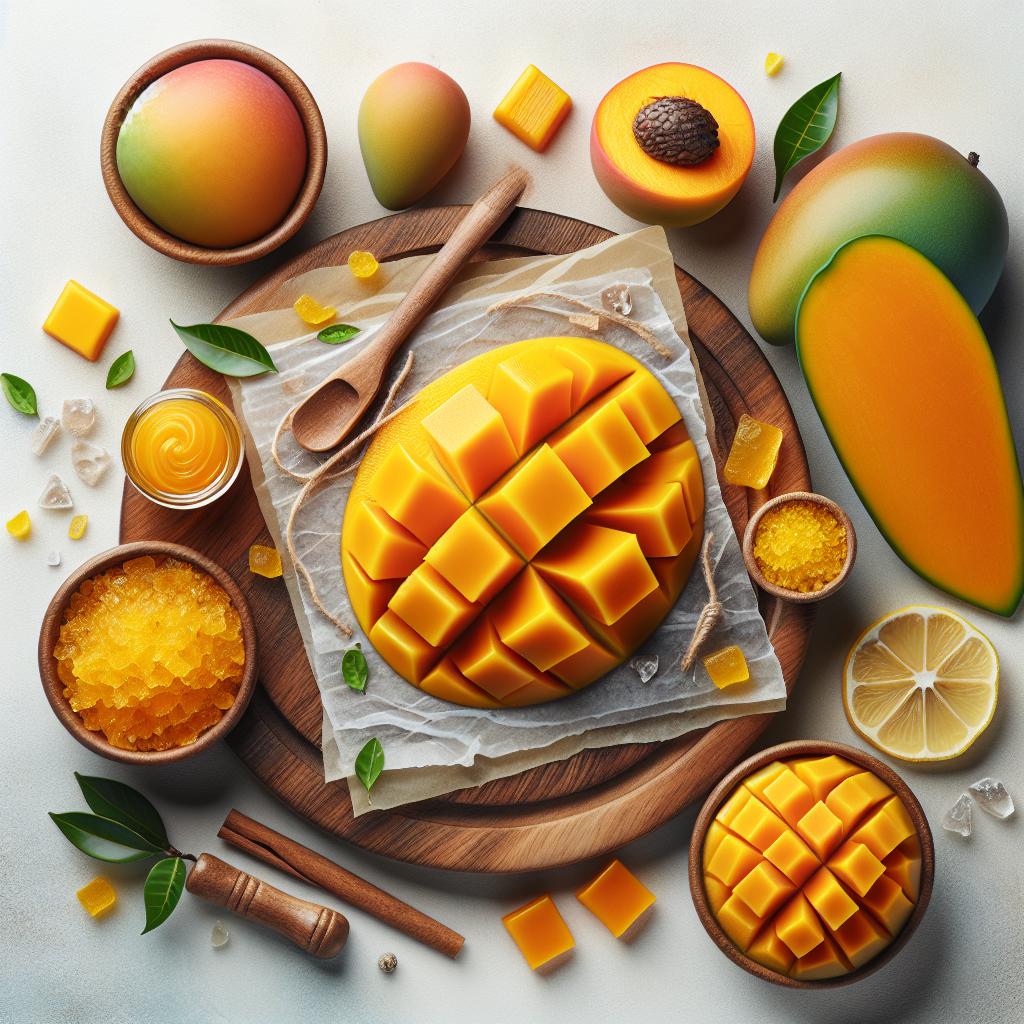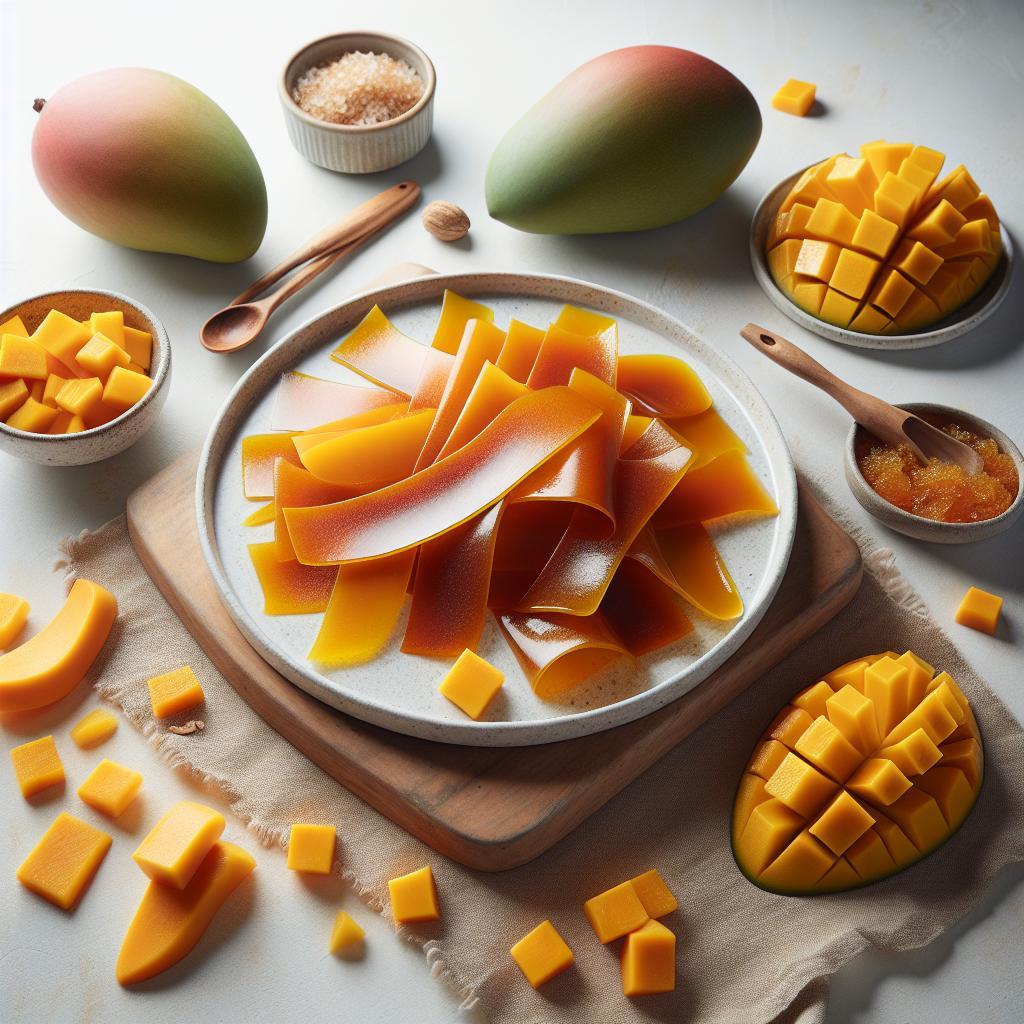

Imagine unwrapping a vibrant, sun-kissed slice of tropical sunshine-its sweet aroma instantly transporting you to swaying palm trees and balmy island breezes. Mango fruit leathers, with their chewy texture and intense burst of natural sweetness, offer a delightful way to savor the luscious flavors of this beloved tropical fruit anytime, anywhere. In this article, we’ll explore the fascinating journey of mangoes transformed from juicy flesh into these portable, tangy-sweet strips. Join us as we peel back the layers on mango fruit leathers, uncovering their history, crafting methods, nutritional benefits, and why they’ve become a favorite snack for both kids and adults seeking a taste of the tropics on the go.
Mango Fruit Leathers are a delightful celebration of tropical sweetness transformed into a chewy, portable snack bursting with natural flavor. Originating from traditional fruit preservation methods, crafting these leathers from ripe mangoes captures the essence of summer with simplicity and artistry. The vibrant orange hues and luscious aroma make preparing mango fruit leathers an irresistibly sensory kitchen adventure.
Prep and Cook Time
Preparation: 15 minutes | Drying: 6-8 hours (oven or dehydrator)
Yield
Approximately 4 fruit leather sheets (8×10 inches each), serving 8-10 people
Difficulty Level
Easy
Ingredients
- 4 large ripe mangoes, peeled and pitted (about 4 cups mango puree)
- 2 tablespoons honey or pure maple syrup (optional, depending on mango sweetness)
- 1 tablespoon fresh lime juice (to enhance brightness and preserve color)
- 1/4 teaspoon ground ginger (optional, for subtle spice)
Instructions
- Prepare the mango puree: Place peeled mango chunks into a blender or food processor. Blend until completely smooth. Incorporate honey, lime juice, and ground ginger, blending again to combine evenly.
- Line baking sheets: Use parchment paper or silicone baking mats to prevent sticking. Lightly grease the surface for easy leather removal.
- Spread the puree: Pour the mango mixture onto the prepared sheets, spreading evenly with an offset spatula to about 1/8 inch thickness. Thinner layers dry faster, but aim for uniformity to prevent tears.
- Dry the mango puree: Preheat your oven to the lowest setting (around 140°F/60°C). Place the trays inside and let dry for 6-8 hours, checking occasionally. Alternatively, use a food dehydrator at 135°F for similar timing. The leather should be pliable and no longer sticky.
- Cool and cut: Remove sheets from oven or dehydrator and let cool completely. Peel the fruit leather off parchment and cut into strips or fun shapes with kitchen scissors or a pizza cutter.
- Store properly: Roll each strip in parchment or plastic wrap. Keep in an airtight container at room temperature for up to 2 weeks, or refrigerate to extend freshness.
Tips for Success
- Choose ripe mangoes: The sweeter and juicier the mango, the richer the flavor and smoother the texture of your fruit leather.
- Use lime juice: It prevents oxidation and helps preserve that brilliant golden color.
- Uniform spreading: Ensures even drying and beautiful presentation. Avoid overly thick layers to reduce drying time and prevent chewy, gummy spots.
- Testing doneness: The leather should peel easily, feel dry but flexible, and have no visible moisture.
- Make ahead: Fruit leathers store beautifully and make ideal travel snacks or lunchbox treats.
Serving Suggestions
Enjoy your mango fruit leathers as a wholesome snack on their own, or get creative by slicing them into thin strips to use as natural ribbons to garnish yogurt bowls, smoothies, or ice cream desserts. Layer strips between whole-grain crackers with nut butter for a delightful flavor fusion. For a tropical twist, pair with fresh coconut flakes and chopped pistachios sprinkled on top for added texture and flavor complexity.

Nutritional Benefits & Health Perks
Mango fruit leathers concentrate the rich, natural sugars and fiber found in fresh mangoes, offering a nutrient-dense snack alternative to processed sweets. They provide a good source of vitamin C, which supports immune function, and dietary fiber for digestive health. Without added refined sugars and preservatives, mango fruit leathers satisfy sweet cravings naturally, making them a smart choice for kids and adults alike.
The Art of Crafting Mango Fruit Leathers: Incorporating into Daily Snacks
Beyond simple snacking, mango fruit leathers can effortlessly enhance your daily diet. Roll small strips into bite-sized fruit “wraps” for quick energy boosts during hikes or workouts. Chop and sprinkle over breakfast cereals or salads for a subtle fruity hint. Use as creative garnishes on tropical-inspired cocktails or mocktails to impress guests at your next gathering. The vibrant color and chewy texture add visual and flavor appeal to your culinary repertoire.
Storage Tips & Best Practices for Freshness and Flavor
To maintain the luscious texture and bright flavor of mango fruit leathers, always store them in airtight containers or wrapped tightly in parchment/polysheets. Avoid exposure to heat and humidity which can cause stickiness or mold. Refrigeration prolongs shelf life, especially in warmer climates, and freezing is a viable option for long-term storage without quality loss. Reheat briefly in the oven or at room temperature before serving if stiffness occurs after refrigeration.
| Nutrient | Per Serving (1 strip) | % Daily Value* |
|---|---|---|
| Calories | 60 | 3% |
| Protein | 0.5g | 1% |
| Carbohydrates | 15g | 5% |
| Fat | 0.1g | 0% |
| Dietary Fiber | 1.5g | 6% |
| Vitamin C | 15mg | 25% |
| *Percent Daily Values are based on a 2,000 calorie diet. | ||
For further inspiration on tropical fruit recipes, explore our Tropical Fruit Desserts Collection. Additionally, learn more about mango nutrition from The Nutrition Society.
Q&A
Q&A: Mango Fruit Leathers: A Sweet, Chewy Tropical Treat Explored
Q1: What exactly are mango fruit leathers?
A1: Mango fruit leathers are thin sheets of dried mango puree that have been cooked down until chewy and pliable, much like a natural fruit-based candy. They capture the essence of ripe mangoes in a convenient, portable, and long-lasting snack.
Q2: How are mango fruit leathers made at home or commercially?
A2: To make mango fruit leathers, fresh mangoes are peeled, blended into a smooth puree, and sweetened lightly if desired. This mixture is spread thinly onto lined trays and slowly dehydrated until it becomes tacky and leathery. Commercial products often undergo similar drying processes but with quality controls for uniformity and shelf life.
Q3: What makes mango fruit leathers a unique tropical treat?
A3: Their chewy texture combined with the vibrant tropical flavor of mangoes makes fruit leathers uniquely satisfying. Unlike fresh mangoes, they are portable, non-perishable, and offer a concentrated burst of sweetness balanced by natural tanginess inherent in the fruit.
Q4: Are mango fruit leathers healthy?
A4: Yes! They retain most of the vitamins, fiber, and antioxidants of fresh mangoes, especially vitamin C and beta-carotene. Since they are made from pureed fruit without added artificial ingredients, they provide a wholesome, natural snack option, although moderation is key due to concentrated sugars.
Q5: How can mango fruit leathers be enjoyed beyond just snacking?
A5: Mango fruit leathers can be sliced into strips and added to trail mixes, used as wraps for nuts or dried seeds, or chopped and sprinkled over yogurt or oatmeal for a tropical twist. Creative chefs sometimes blend pieces into smoothies for natural sweetness or even use them to decorate desserts.
Q6: Can mango fruit leathers be made from other fruits?
A6: Absolutely! Fruit leathers can be made with virtually any sweet fruit, such as strawberries, apples, peaches, or pineapples. However, mangoes stand out due to their naturally juicy texture and rich tropical flavor, making their fruit leather particularly luscious and distinct.
Q7: What should consumers look for when buying mango fruit leathers?
A7: Opt for fruit leathers made from 100% real mango puree without added sugars, preservatives, or artificial colors. The best ones have a supple texture, vibrant color, and a balanced sweet-tart flavor that mirrors fresh mangoes.
Q8: How should mango fruit leathers be stored?
A8: Store them in an airtight container in a cool, dry place to maintain freshness. If kept sealed and away from humidity, mango fruit leathers can last several months, making them a reliable snack for travel or quick energy boosts.
Embrace the sweet, chewy sunshine of mango fruit leathers-the tropical treat that’s as fun to eat as it is full of natural goodness!
Future Outlook
As we wrap up our flavorful journey through the world of mango fruit leathers, it’s clear that this humble snack is much more than just a chewy treat. Bursting with tropical sunshine and natural sweetness, mango fruit leathers offer a convenient, nutritious way to enjoy the essence of one of nature’s most beloved fruits. Whether you’re a fan of their tangy twist, the nostalgic chew, or the handy snack-on-the-go format, mango fruit leathers stand out as a vibrant testament to the magic that happens when tradition meets innovation. So next time you crave a sweet escape, reach for a strip of mango delight and savor the tropical charm that lingers long after the last bite.