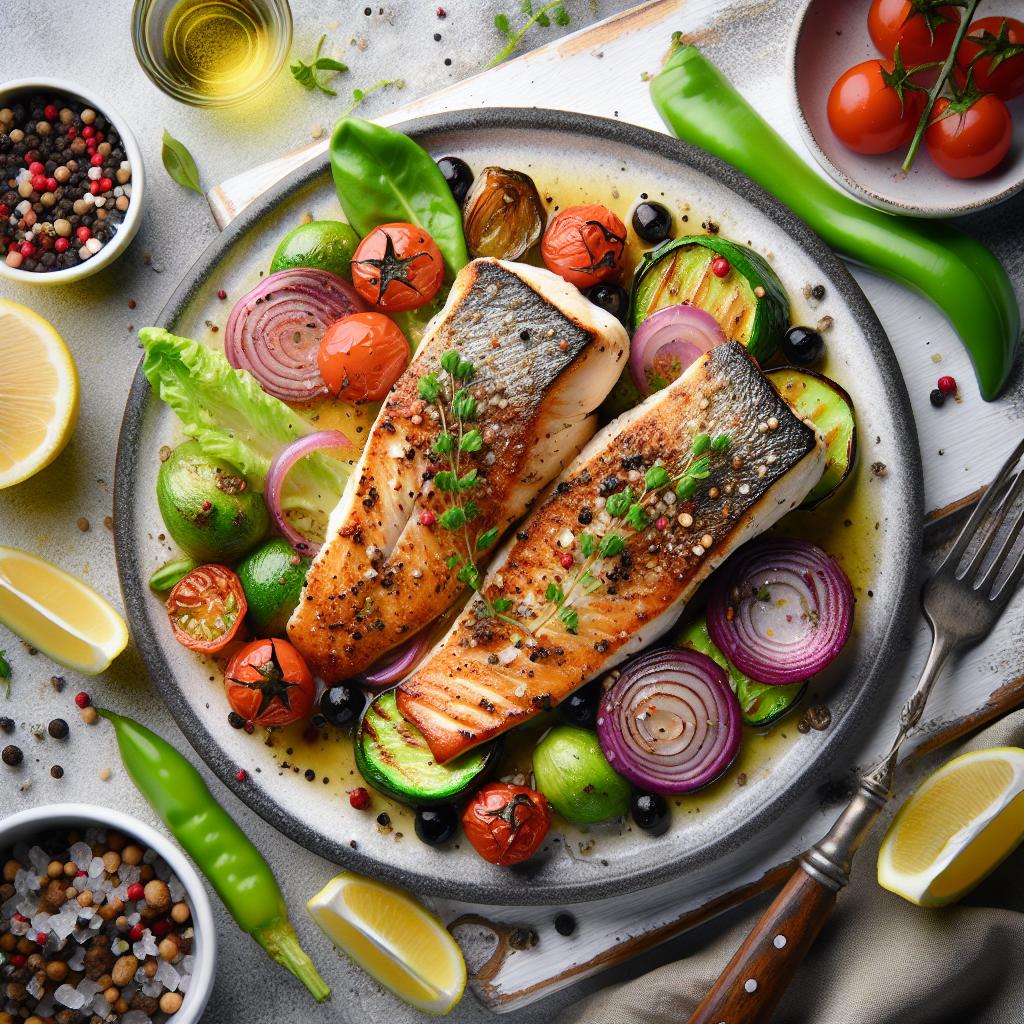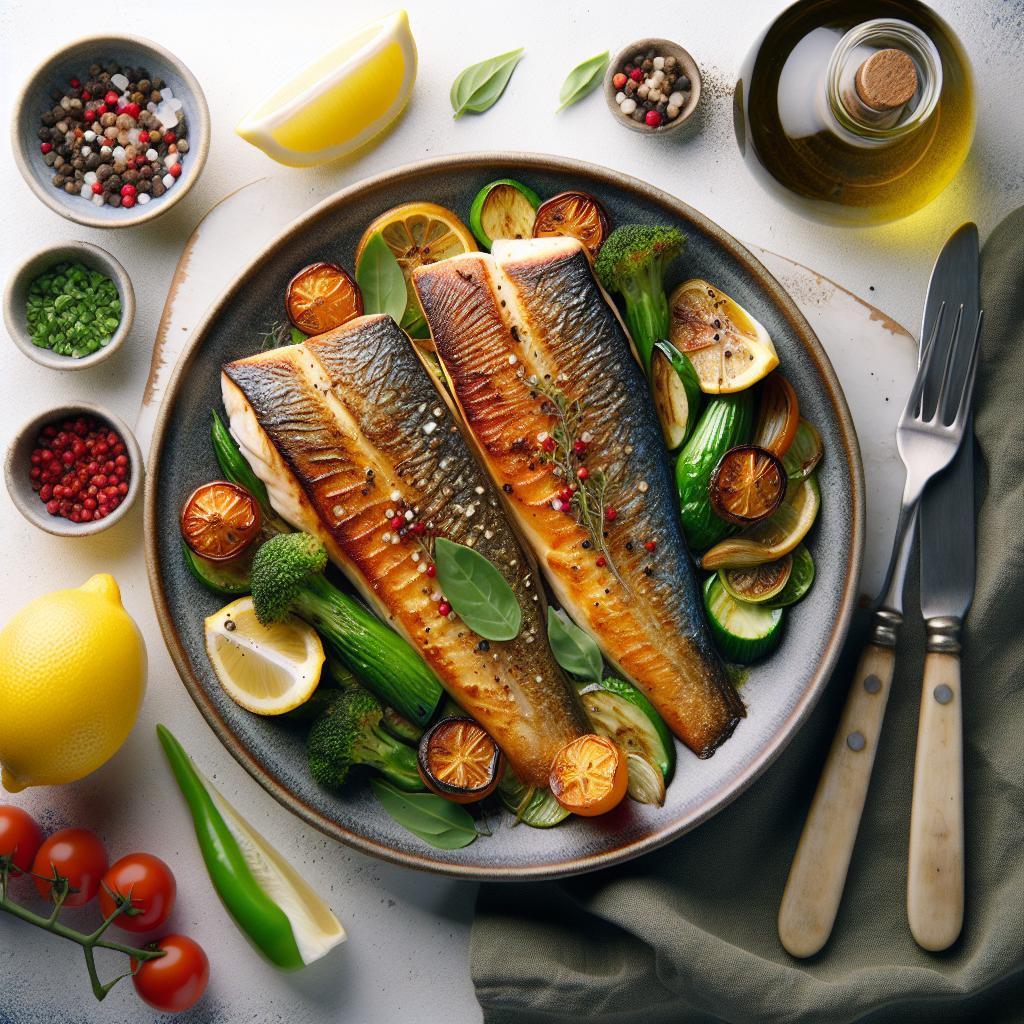

There’s something effortlessly elegant about a perfectly baked fish fillet-a delicate balance of flaky texture and vibrant flavor that feels like a quiet celebration on your plate. Yet, achieving that culinary harmony doesn’t have to be a daunting task reserved for seasoned chefs. In this simple guide to flavor, we’ll dive into the art and science of baking fish fillets to perfection, unlocking secrets that transform humble ingredients into a mouthwatering masterpiece. Whether you’re a kitchen novice or a seasoned home cook, prepare to discover how a few thoughtful steps can elevate your fish from ordinary to extraordinary, making every bite a fresh and memorable delight.
Perfectly baked fish fillets begin with selecting the freshest fish available-this ensures an unparalleled flavor and delightfully flaky texture. Fresh fish should have bright, clear eyes if whole, firm flesh that springs back when pressed, and a clean, briny aroma reminiscent of the sea. Embracing these qualities at the start sets the stage for an exceptional dish that sings with natural oceanic notes.
Prep and Cook Time
Preparation: 15 minutes | Cooking: 12-15 minutes
Yield
Serves 4
Difficulty Level
Easy
Ingredients
- 4 fresh fish fillets (such as cod, halibut, or sea bass), about 6 oz each
- 3 tablespoons olive oil
- 2 cloves garlic, finely minced
- 1 tablespoon freshly squeezed lemon juice
- 1 teaspoon sea salt
- ½ teaspoon freshly ground black pepper
- 1 teaspoon smoked paprika
- 1 teaspoon dried thyme
- Fresh herbs for garnish (parsley, dill, or chives)
- Lemon wedges, for serving
- Optional marinade: 2 tablespoons soy sauce mixed with 1 tablespoon honey and 1 teaspoon grated ginger
Instructions
- Choose your fresh fish fillets ensuring they are firm and translucent. Pat them dry with paper towels to ensure the seasoning sticks effectively.
- Mix the marinade and seasonings: In a small bowl, combine olive oil, garlic, lemon juice, sea salt, pepper, smoked paprika, and dried thyme. For a flavor twist, whisk in the optional soy-honey marinade for a subtle sweet-savory glaze.
- Coat the fish: Place fillets in a shallow dish and brush the marinade generously on all sides. Let it rest for 10 minutes at room temperature. This step heightens flavor depth and tenderness.
- Preheat your oven to 400°F (200°C) for ideal baking results-high enough to cook through but gentle enough to maintain moisture.
- Arrange the fish fillets on a lightly oiled, rimmed baking sheet or in an ovenproof dish, spacing evenly to allow hot air circulation.
- Bake for 12-15 minutes. Check at 12 minutes by gently flaking the thickest part with a fork; the fish should separate easily into opaque, flaky layers. Avoid overcooking to keep the texture tender and moist.
- Remove and rest: Let the fillets sit for 2 minutes before serving to distribute juices evenly within the flakes.
- Garnish with freshly chopped herbs and lemon wedges, adding a vibrant finish and refreshing brightness to every bite.
Tips for Success
- Substitutions: Use wild-caught fillets when possible for richer taste; avoid farm-raised varieties as freshness varies more significantly.
- Marinade variations: Incorporate fresh ginger, chili flakes, or citrus zest for personalized flavor profiles.
- Make-ahead: You can marinate fish up to 2 hours in advance, keeping it chilled to boost flavor intensity without compromising texture.
- Prevent dryness: Avoid overbaking by relying on the fork-flake test, critical for perfectly baked fish fillets.
- Oven placement: Bake in the middle rack for even heat distribution and gentle cooking.
Serving Suggestions and Pairings
Present your perfectly baked fish fillets atop a bed of fragrant herbed quinoa or creamy mashed potatoes. For a fresh contrast, serve alongside roasted asparagus or a crisp cucumber salad tossed in a light vinaigrette. Garnish with lemon wedges to lift the delicate flavors and scatter fresh herbs for an eye-catching finish. A chilled glass of Sauvignon Blanc or a light Pinot Grigio pairs beautifully, accentuating the ocean-fresh qualities of your dish.
| Nutrient | Per Serving |
|---|---|
| Calories | 230 kcal |
| Protein | 30 g |
| Carbohydrates | 1 g |
| Fat | 10 g |
Internal Link: Explore more seafood delights in our Healthy Seafood Recipes collection.
External Reference: For further insights on fish freshness and safety, visit the FDA’s guide on selecting and storing fish.

Q&A
Q: What makes a fish fillet “perfectly baked”?
A: A perfectly baked fish fillet boasts a moist, flaky texture with a tantalizing blend of flavors that highlight the natural freshness of the fish. Achieving this involves precise temperature control, thoughtful seasoning, and gentle cooking to avoid dryness or overcooking.
Q: Which types of fish are best suited for baking?
A: Most white fish fillets like cod, tilapia, haddock, and sole shine in the oven due to their mild flavors and firm flesh. Salmon and trout also bake beautifully and lend themselves well to richer seasonings and glazing.
Q: How do I prepare my fish for baking to maximize flavor?
A: Start by patting the fillets dry to promote even cooking. Marinate or season the fish with a combination of fresh herbs, citrus zest, garlic, and a touch of olive oil or butter to infuse each bite with vibrant, aromatic flavors.
Q: What is the ideal oven temperature and baking time for fish fillets?
A: Generally, baking fish at 375°F (190°C) for 12-15 minutes serves up tender, flaky results. Thicker fillets may need a few extra minutes, while thinner cuts require less. Always check for an internal temperature of 145°F (63°C) or until the fish flakes easily with a fork.
Q: Can I bake fish fillets without drying them out?
A: Absolutely! Wrapping the fish in parchment paper or foil (en papillote) creates a steamy environment that locks in moisture. Brushing the fillets with olive oil or melted butter before baking adds richness and prevents drying.
Q: How do I add extra flavor layers to baked fish without overpowering its natural taste?
A: Use subtle herb blends like dill, parsley, thyme, or tarragon paired with simple aromatics such as lemon slices, thinly sliced garlic, or finely chopped shallots. Drizzle with a little white wine or a splash of citrus juice before baking for brightness.
Q: Are there any tips to make cleaning up easier after baking fish?
A: Baking on a rimmed sheet lined with parchment paper or foil not only prevents sticking but also cuts down cleanup time. Using reusable silicone mats is another eco-friendly option that keeps your pan pristine.
Q: What side dishes complement perfectly baked fish fillets?
A: Fresh, vibrant sides like roasted asparagus, herbed quinoa, or a zesty cucumber salad connect beautifully with the delicate flavors of baked fish, making each meal a harmonious tasting experience.
Q: How can beginners avoid common mistakes when baking fish fillets?
A: Prevent overcooking by monitoring time closely and using a timer. Avoid overcrowding the baking dish to ensure even heat distribution. Lastly, resist the urge to flip the fillets mid-bake-letting them cook undisturbed preserves their tender texture and presentation.
Q: Why is baking a better method than frying or grilling for certain types of fish?
A: Baking is gentler and allows the fish’s flavors to shine without the added fats from frying or the risk of charring from grilling. It’s an easy, hands-off method that produces consistently tender, healthy meals with minimal fuss.
Wrapping Up
Whether you’re a seasoned home chef or a kitchen novice, mastering the art of perfectly baked fish fillets is within your reach. With just a handful of simple ingredients and a few easy steps, you can unlock layers of delicate flavor and achieve that tender, flaky texture every time. Let this guide be your trusted companion on a culinary journey that celebrates the natural essence of fish, elevating your meals from ordinary to effortlessly extraordinary. Now, it’s time to preheat your oven, embrace the simplicity, and savor the satisfying flavors of your own perfectly baked fish fillets. Happy cooking!